

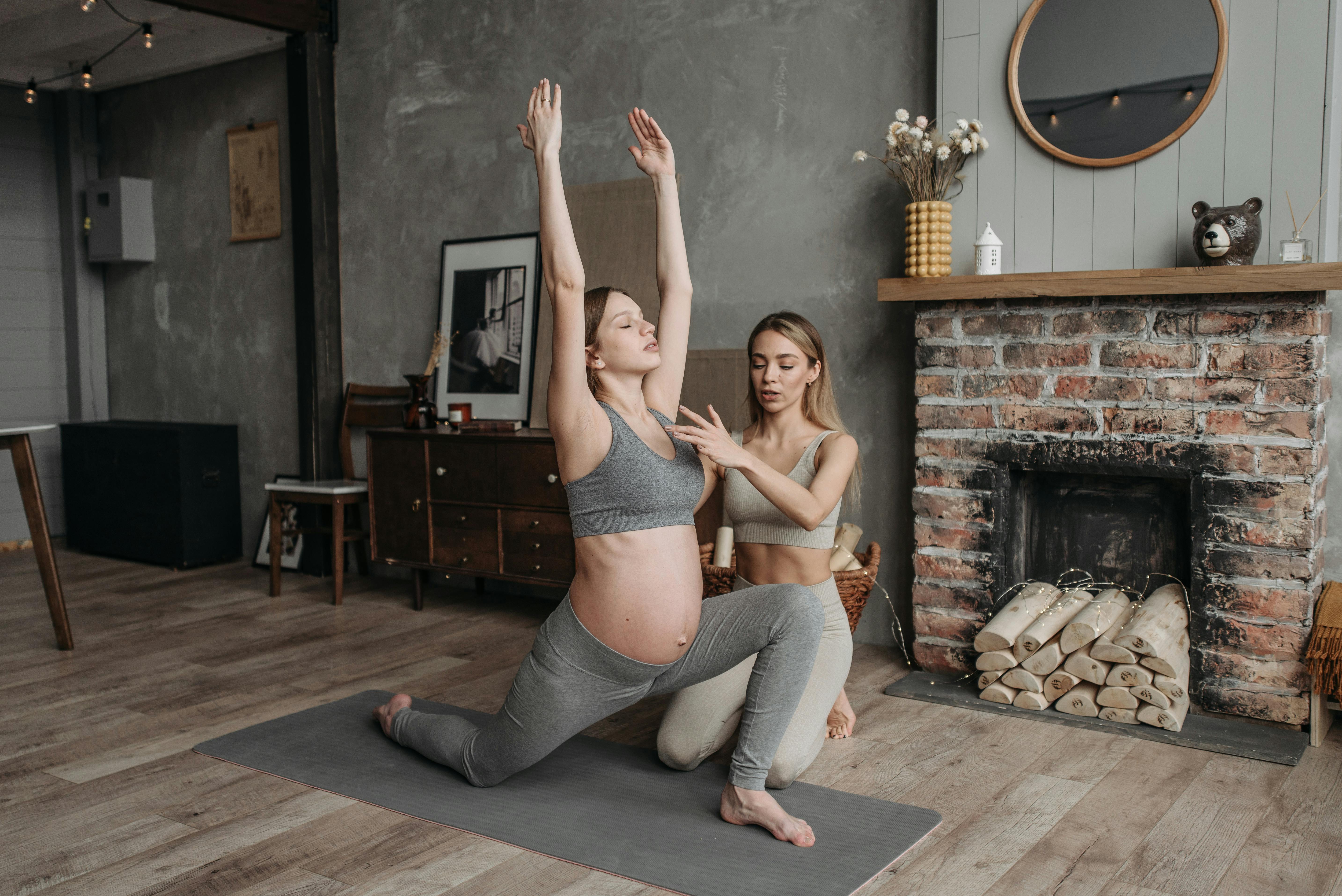
Pelvic Floor Exercises and Devices: Strengthen Your Core and Boost Wellness.
Disclosure: "This article contains affiliate links. If you purchase through these links, I may earn a commission at no extra cost to you. This helps support my work. Thank you!"
Product: Thigh Master Kegel Exerciser, Pelvic Floor Muscle Exercise Device, Inner Thigh Master Hip Trainer Kegel Exerciser for Postpartum Rehabilitation, Leg Workout Equipment
Product Link: https://amzn.to/4fqCurv
THE ARTICLE.
Your pelvic floor is a group of muscles that supports the bladder, uterus, and bowel. Just like any muscle, it needs regular exercise to stay strong and functional—especially after childbirth, surgery, or with aging. Incorporating pelvic floor exercises and devices into your wellness routine can improve bladder control, sexual function, and overall core strength.
What Is the Pelvic Floor?
The pelvic floor consists of layers of muscles and tissues that stretch like a supportive hammock from your tailbone to your pubic bone. These muscles are responsible for:
- Supporting pelvic organs (bladder, rectum, uterus)
- Controlling urination and bowel movements
- Enhancing sexual health and satisfaction
- Stabilizing the spine and core
When the pelvic floor weakens, it can lead to problems such as urinary incontinence, pelvic organ prolapse, or decreased sexual function.
What Are Pelvic Floor Exercises?
Pelvic floor exercises, commonly known as Kegel exercises, involve tightening and relaxing these muscles regularly.
✅ Benefits of Pelvic Floor Exercises:
- Prevent and treat urinary incontinence
- Aid postpartum recovery
- Enhance sexual pleasure and arousal
- Support healthy aging
- Improve pelvic alignment and core engagement
📝 Tip: To identify your pelvic floor muscles, try stopping urination midstream (only for identification purposes—not recommended as regular practice).
How to Do Kegel Exercises
- Identify the right muscles: Use the “stop-the-flow” method once to locate the muscles.
- Contract: Squeeze the pelvic floor muscles for 5–10 seconds.
- Relax: Release for the same amount of time.
- Repeat: Aim for 3 sets of 10 reps daily.
Be consistent, and don’t engage surrounding muscles like your thighs or abdomen.
Pelvic Floor Devices: Are They Worth It?
Several pelvic floor devices and smart tools are available to guide, strengthen, and track progress.
Popular Types:
- Kegel Trainers (manual weights): Help engage and strengthen muscles with added resistance.
- Biofeedback Devices: Give real-time feedback on muscle activity (e.g., Elvie Trainer, Perifit).
- Electrical Stimulation Units (e-stim): Use mild electrical pulses to stimulate and strengthen pelvic floor muscles, particularly helpful for severe weakness.
Advantages of Devices:
- Improve exercise accuracy
- Boost motivation through gamified apps
- Provide real-time muscle tracking and progress data
- Helpful for users with weak or hard-to-activate muscles
🔬 Scientific Backing: A review in Neurourology and Urodynamics confirmed that pelvic floor devices with biofeedback improve outcomes for women with stress urinary incontinence (Berghmans et al., 2013).
When to See a Specialist
If you experience:
- Pain during Kegels or intercourse
- No improvement after consistent training
- Symptoms of prolapse or chronic incontinence
... consult a pelvic floor physical therapist or gynecologist for a personalized assessment.
References
- Berghmans, B., et al. (2013). Conservative treatment of stress urinary incontinence in women: A systematic review of randomized clinical trials. Neurourology and Urodynamics. https://pubmed.ncbi.nlm.nih.gov/23483777/
- Dumoulin, C., et al. (2018). Pelvic floor muscle training versus no treatment for urinary incontinence in women. Cochrane Database of Systematic Reviews. https://pubmed.ncbi.nlm.nih.gov/30353902/
- National Health Service (NHS). Pelvic floor exercises. https://www.nhs.uk/common-health-questions/womens-health/what-are-pelvic-floor-exercises/
- American Urogynecologic Society. Pelvic floor health. https://www.voicesforpfd.org/
Final Thoughts
Pelvic floor exercises and devices are powerful tools for anyone looking to enhance core strength, sexual health, and bladder control. With consistent effort and possibly the help of modern smart devices, you can take control of your pelvic health at every stage of life.
💬 Strong foundations lead to empowered living—start from the core!
https://www.babacares.com/blog-details?details=792&title=Pelvic+Floor+Exercises+and+Devices%3A+Strengthen+Your+Core+and+Boost+Wellness.









Comments