

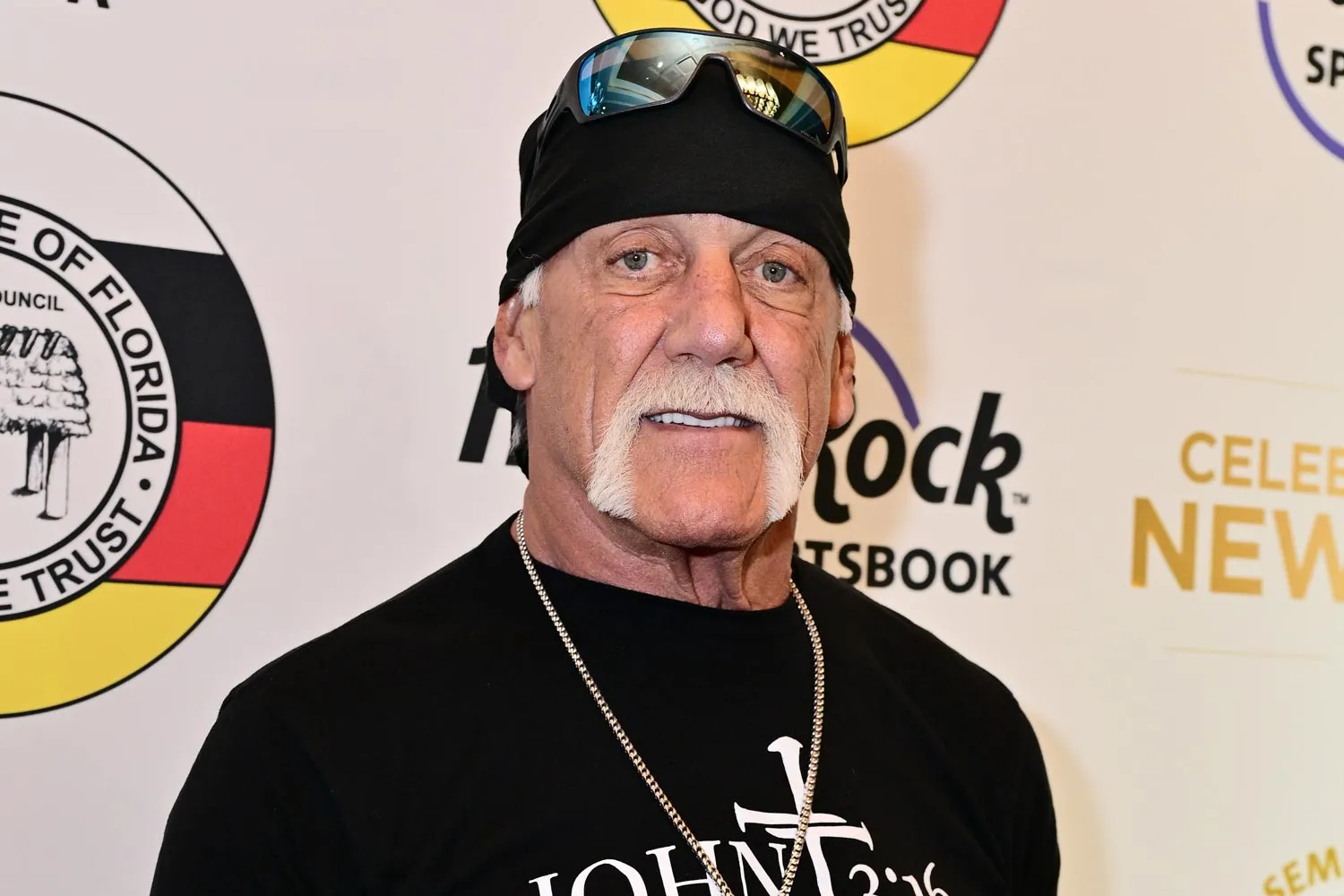
Hulk Hogan’s Sudden Cardiac Arrest at 71: What Health Lessons We Can Learn from the Wrestling Icon’s Passing
On July 24, 2025, Terry “Hulk Hogan” Bollea—aged 71—died of cardiac arrest at his home in Clearwater, Florida. He was transported to a hospital and pronounced deceased shortly thereafter YouTube+15The Times+15EW.com+15. Authorities stated there were no signs of foul play AP News.
Hogan, a towering figure—both literally and figuratively—in professional wrestling, was a six-time WWE champion and a double inductee into the WWE Hall of Fame. His flamboyant persona helped turn wrestling into mainstream entertainment during the 1980s and beyond AP News+4The Guardian+4AP News+4. He also co-founded the Real American Freestyle league and launched a beer brand under his name before his passing en.wikipedia.org+3en.wikipedia.org+3AP News+3.
In recent years, Hogan suffered from chronic neck and spinal issues, requiring multiple surgeries and hospital visits. His health had reportedly been declining for some time, raising concern among fans and reporters en.wikipedia.org+15The Times+15timesofindia.indiatimes.com+15.
🩺 Health Lessons from Hogan’s Passing
1. Cardiac Arrest Can Be Sudden and Devastating
Even individuals who once embodied peak physicality are not immune to acute cardiac emergencies. Hogan’s death underscores the importance of regular cardiovascular screenings, especially as one ages.
2. Chronic Musculoskeletal Injuries May Impact Overall Health
Wrestling forced Hogan into years of high-impact strain, leading to neural and structural spinal degeneration. Such chronic ailments may indirectly increase stress on the heart and other organs over time.
3. Importance of Managing Comorbidities
Chronic pain, repeated surgeries, and neurological stress can elevate systemic inflammation and blood pressure, potentially increasing cardiac risk. A holistic healthcare approach is crucial: addressing chronic pain, mobility, mental health, and cardiovascular factors together.
4. Recognizing Early Warning Signs
While not all cases provide early symptoms, awareness of signs—such as chest pain, irregular heartbeat, shortness of breath, or dizziness—can prompt timely medical action. Acute collapse from a heart attack or stroke might be fatal if not treated immediately.
5. Rehabilitation and Lifestyle Modification Matter
Even with multiple surgeries, ongoing physical rehabilitation, cardiovascular conditioning, and stress reduction techniques (e.g., meditation, therapy) are key to preserving long-term health in the face of chronic illness.
🧠 Reflecting on Legacy Through a Health Lens
Hogan’s life reminds us that celebrated strength and peak athleticism do not guarantee lifelong wellness. His experience highlights:
-
The unpredictability of cardiac emergencies.
-
How long-term physical trauma can contribute to broader health decline.
-
The need for integrated care—not just reactive but preventative.
📝 What You Can Do: Takeaways for Readers
| Action | Why It Matters |
|---|---|
| Schedule routine heart screenings | Early detection saves lives |
| Manage chronic pain with comprehensive care | Prevents secondary complications |
| Maintain cardio-safe exercise and flexibility routines | Enhances mobility and circulation |
| Monitor vital signs and symptoms vigilantly | Enables earlier intervention |
| Seek multidisciplinary healthcare—aligning neurologists, cardiologists, physiotherapists | Holistic support for chronic conditions |
In Memoriam 🕊️
Hulk Hogan’s death at 71—amid long-standing spinal problems and a sudden cardiac arrest—offers a powerful reminder: longevity is not guaranteed by fame or prior fitness. Regular check‑ups, attentive chronic care, and a proactive approach to heart health are essential regardless of past physical prowess. May his legacy inspire us to prioritize comprehensive wellness.










Comments