

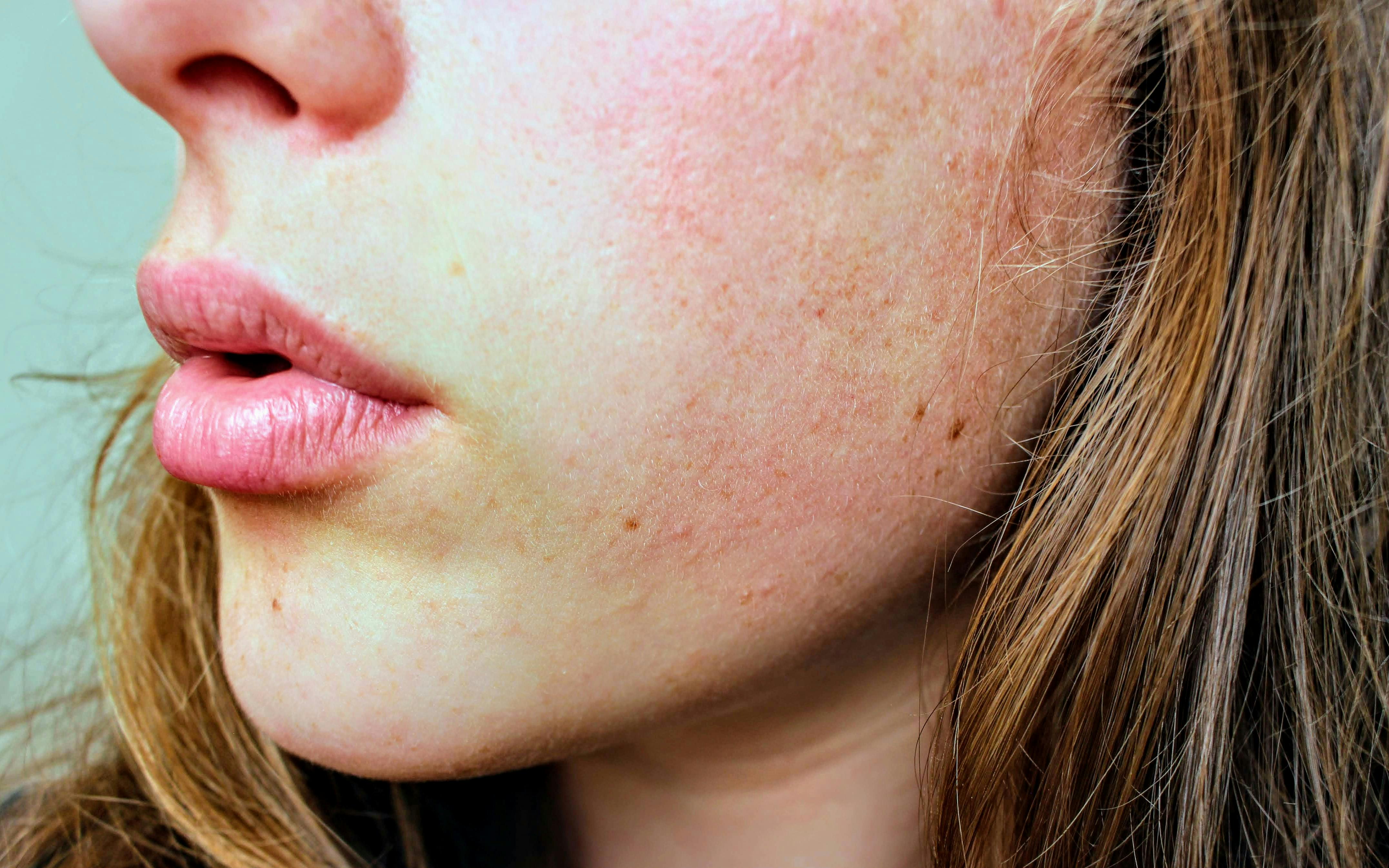
Personalized Skin Routines Based on Your Genetic Makeup: The Future of Skincare.
Disclosure: "This article contains affiliate links. If you purchase through these links, I may earn a commission at no extra cost to you. This helps support my work. Thank you!"
Product: Brickell Men's Products Resurfacing Anti-Aging Cream For Men, Natural and Organic Vitamin C Cream, 2 Ounce, Unscented
Product Link: https://amzn.to/41anA2n
THE ARTICLE.
In recent years, skincare has shifted from one-size-fits-all products to personalized routines tailored to individual needs. A groundbreaking frontier in this evolution is using genetic information to customize skin care regimens. By understanding your skin’s genetic makeup, you can target issues like aging, acne, pigmentation, and sensitivity more effectively than ever before.
How Genetics Influence Your Skin
Your DNA contains vital clues about your skin’s characteristics, such as:
- Collagen production and skin elasticity
- Propensity for acne or rosacea
- Sensitivity to sun and risk of pigmentation
- Oil production and hydration levels
- Inflammatory response
These inherited traits impact how your skin ages, reacts to products, and responds to environmental stressors (Katta & Desai, 2020).
What Is Genetic Skin Testing?
Genetic skin testing analyzes specific gene variants related to skin health. This can be done via saliva or cheek swabs sent to labs that interpret your genetic markers.
Companies like GeneBeauty, SkinDNA, and MySkinGene offer tests that identify your skin’s strengths and vulnerabilities. Results often include personalized product recommendations and lifestyle tips.
Benefits of Skin Routines Based on Genetics
- Targeted Treatments: Address root causes rather than symptoms.
- Preventive Care: Identify genetic predispositions to skin aging or sensitivity early.
- Optimized Ingredient Selection: Use ingredients your skin will respond to best.
- Reduced Trial and Error: Minimize wasted money on ineffective products.
Building Your Genetic-Based Skin Routine
- Cleanse: Choose gentle cleansers that suit your skin’s barrier integrity, especially if genetic testing reveals sensitivity.
- Hydrate: Use moisturizers with ingredients like hyaluronic acid or ceramides if your genes indicate dryness.
- Protect: Sunscreen is critical, especially for those with a genetic tendency toward pigmentation or UV sensitivity.
- Treat: Incorporate actives like retinoids, antioxidants, or anti-inflammatories tailored to your skin’s needs.
- Lifestyle: Diet, sleep, and stress management can complement your genetic skincare plan.
Scientific Evidence Supporting Genetic Skincare
- A review in the Journal of Drugs in Dermatology highlights how gene-based skincare improves outcomes in photoaging and pigmentation (Draelos, 2018).
- Studies show that individuals with certain SNPs (single nucleotide polymorphisms) in genes related to collagen and antioxidant enzymes respond better to specific skincare ingredients (Rawlings et al., 2020).
Considerations and Limitations
- Genetic testing provides insights but isn’t a definitive prediction of skin health.
- Environmental factors and lifestyle also significantly influence skin.
- Privacy and data security are crucial when submitting genetic information.
The Future of Personalized Skincare
As AI and genomics advance, expect more integrated solutions combining genetics, microbiome analysis, and real-time skin monitoring. This will empower you to optimize your skincare routine with unprecedented precision.
References
- Katta, R., & Desai, S.P. (2020). Skin care and aging: The role of genetics. International Journal of Women's Dermatology. https://www.ncbi.nlm.nih.gov/pmc/articles/PMC7505195/
- Draelos, Z.D. (2018). Genetic-based skin care: A review. Journal of Drugs in Dermatology. https://pubmed.ncbi.nlm.nih.gov/29607411/
- Rawlings, A.V., et al. (2020). Role of genetics in skin aging and treatment outcomes. Clinical, Cosmetic and Investigational Dermatology. https://www.ncbi.nlm.nih.gov/pmc/articles/PMC7446000/
https://www.babacares.com/blog-details?details=787&title=Personalized+Skin+Routines+Based+on+Your+Genetic+Makeup%3A+The+Future+of+Skincare.











Comments