

Glow Naturally: The Benefits of Honey Masks, Turmeric Scrubs, and Aloe Vera Gels for Radiant Skin.
Disclosure: "This article contains affiliate links. If you purchase through these links, I may earn a commission at no extra cost to you. This helps support my work. Thank you!"
Product: Turmeric and Honey Face and Body Scrub 8.8Oz/280g, Purifying, Exfoliating and Moisturizing Body Scrub by Oreola Naturals. New and improved packaging.
Product Link: https://amzn.to/46M2rPF
In a world saturated with chemical-laden skincare products, natural remedies like honey, turmeric, and aloe vera are making a strong comeback — and for good reason. These time-tested ingredients are not only affordable and easy to use, but they also offer a range of benefits for all skin types. If you're seeking a clean, effective skincare routine, here’s how honey masks, turmeric scrubs, and aloe vera gels can transform your complexion.
1. Honey Masks: Nature’s Moisturizer and Antibacterial Shield
🌼 Why It Works:
Honey is a natural humectant, which means it draws moisture into the skin. It also has antibacterial and anti-inflammatory properties, making it excellent for acne-prone or irritated skin.
✨ Benefits:
- Deep hydration without clogging pores
- Soothes redness and inflammation
- Helps fight acne-causing bacteria
- Promotes gentle exfoliation and skin cell turnover
💡 How to Use:
Apply raw or manuka honey to clean skin as a mask. Leave on for 15–20 minutes, then rinse with warm water.
🧪 Backed by Research:
A study published in the Asian Pacific Journal of Tropical Biomedicine confirmed honey’s antimicrobial and wound-healing effects, supporting its use in dermatology (Mandal & Mandal, 2011).
2. Turmeric Scrubs: Brighten and Even Out Skin Tone
🌿 Why It Works:
Turmeric contains curcumin, a powerful antioxidant and anti-inflammatory compound that helps reduce hyperpigmentation, acne scars, and dullness.
✨ Benefits:
- Fades dark spots and evens out complexion
- Fights acne and reduces pore size
- Boosts glow by increasing circulation
- Reduces inflammation and redness
🧖♀️ DIY Turmeric Scrub Recipe:
Mix 1 teaspoon turmeric with 2 tablespoons of chickpea flour and 2–3 tablespoons of yogurt or honey. Gently scrub onto the skin, leave for 10 minutes, and rinse.
⚠️ Caution:
Turmeric can temporarily stain the skin yellow. Use in moderation and follow with a gentle cleanser.
🧪 Research:
Curcumin's antioxidant and skin-lightening effects have been documented in the Journal of Cosmetic Dermatology, showing its role in managing photoaging and hyperpigmentation (Vaughn et al., 2016).
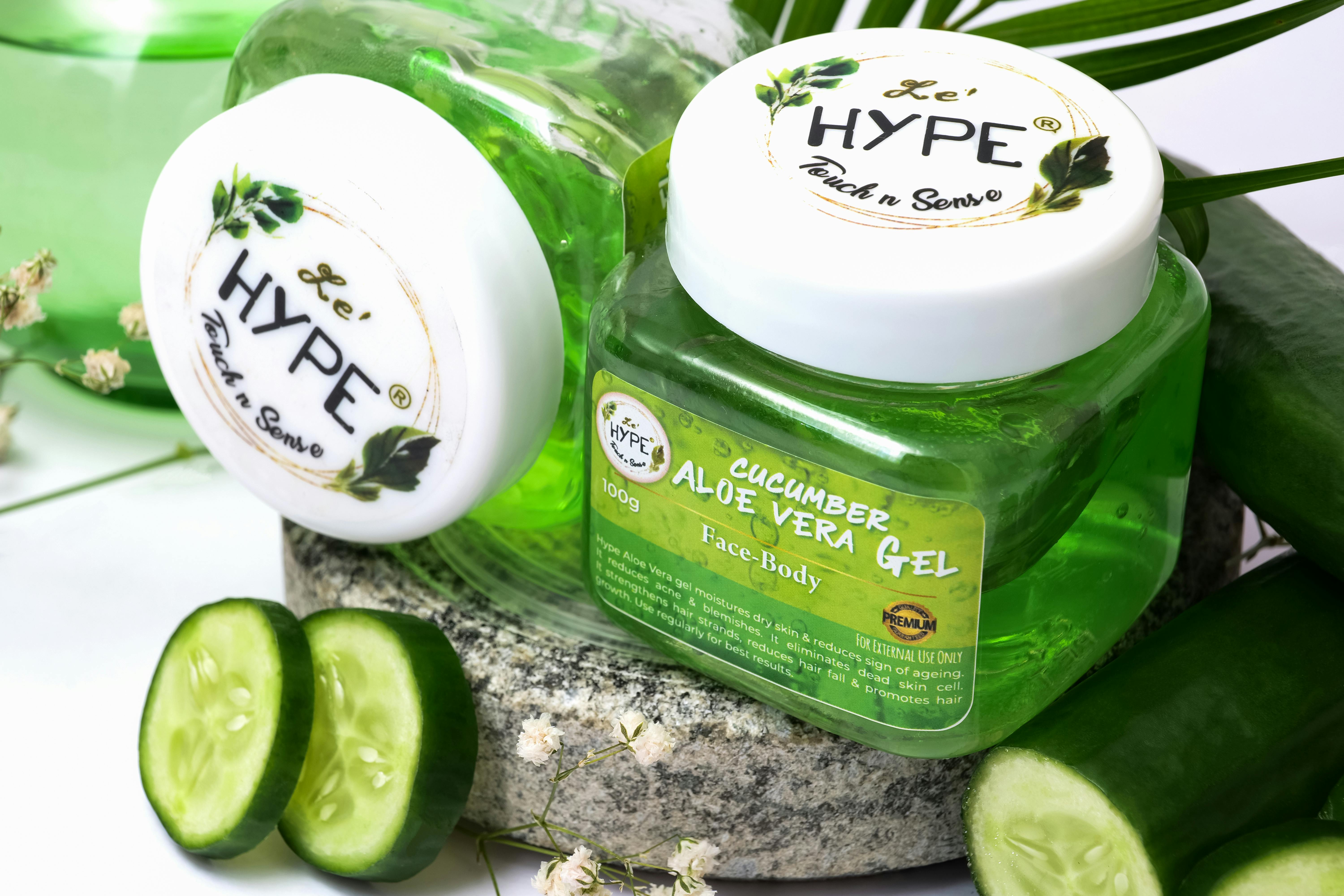
3. Aloe Vera Gel: The Ultimate Skin Soother
🍃 Why It Works:
Aloe vera gel is packed with vitamins A, C, and E, as well as enzymes and amino acids. It’s widely used for calming sunburn, but its benefits go far beyond that.
✨ Benefits:
- Hydrates and cools dry or irritated skin
- Accelerates wound and acne healing
- Reduces redness and inflammation
- Helps with eczema and psoriasis flare-ups
How to Use:
Use pure aloe vera gel directly from the leaf, or choose an organic, additive-free store-bought version. Apply as a daily moisturizer or after sun exposure.
🧪 Scientific Backing:
Aloe vera has been proven effective in improving skin hydration and healing wounds faster due to its polysaccharides and growth hormones (Surjushe et al., 2008).
Pro Tips for Natural Skincare:
- Always patch test before trying new ingredients.
- Use natural remedies 2–3 times a week for best results.
- Avoid harsh cleansers that strip your skin before applying these treatments.
Final Thoughts
Nature provides some of the most powerful solutions for achieving radiant, healthy skin. By incorporating honey masks, turmeric scrubs, and aloe vera gels into your routine, you can reduce your reliance on synthetic products and embrace a cleaner, more holistic skincare regimen.
Natural doesn’t mean less effective — it often means smarter, safer, and more sustainable.
References:
- Mandal, M.D., & Mandal, S. (2011). Honey: its medicinal property and antibacterial activity. Asian Pacific Journal of Tropical Biomedicine. https://www.ncbi.nlm.nih.gov/pmc/articles/PMC3611628/
- Vaughn, A.R., Branum, A., & Sivamani, R.K. (2016). Effects of turmeric on skin health: A systematic review of the clinical evidence. Journal of Cosmetic Dermatology. https://pubmed.ncbi.nlm.nih.gov/27086680/
- Surjushe, A., Vasani, R., & Saple, D.G. (2008). Aloe vera: a short review. Indian Journal of Dermatology. https://www.ncbi.nlm.nih.gov/pmc/articles/PMC2763764/
https://www.babacares.com/blog-details?details=779&title=Glow+Naturally%3A+The+Benefits+of+Honey+Masks%2C+Turmeric+Scrubs%2C+and+Aloe+Vera+Gels+for+Radiant+Skin.








Comments