

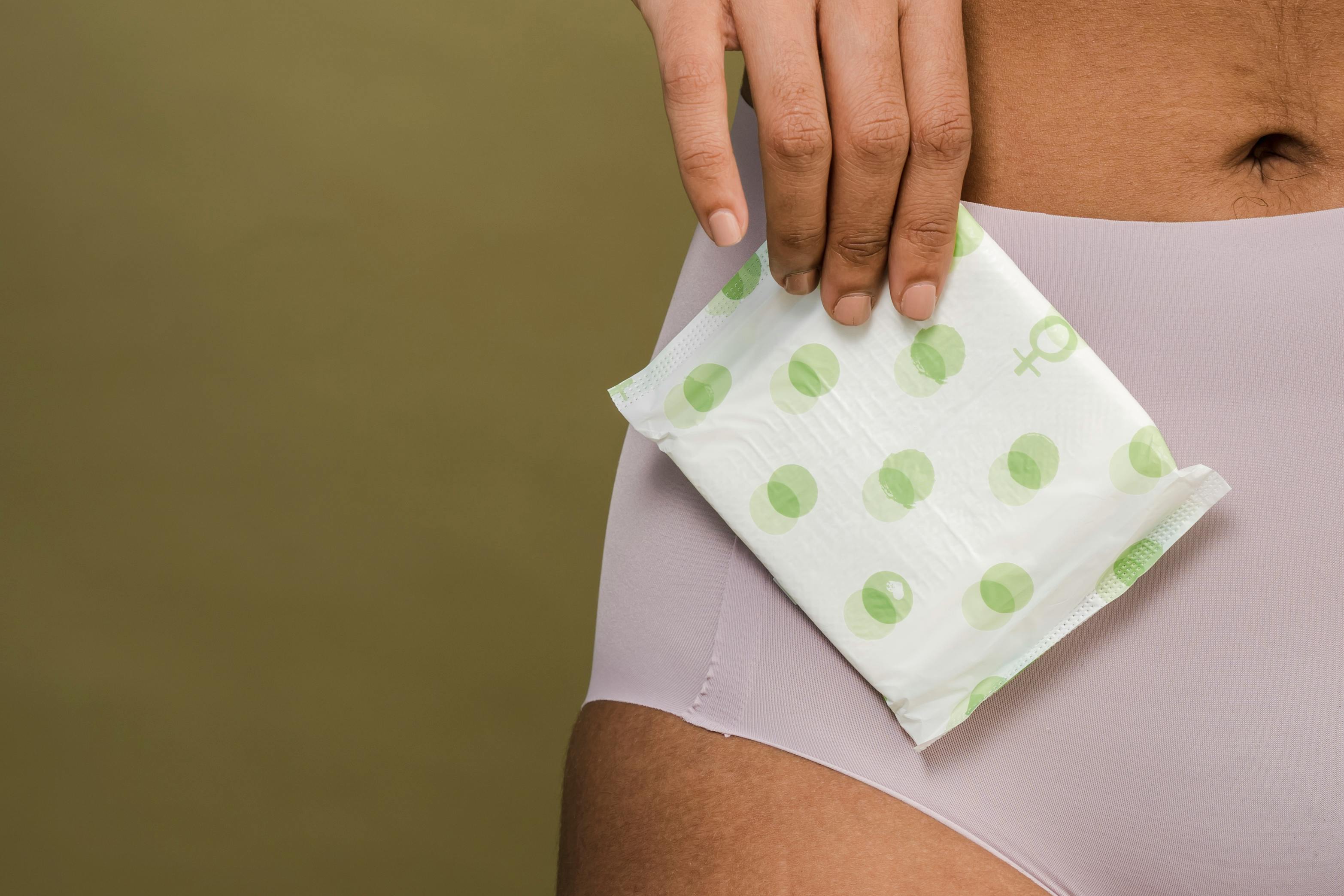
Reusable Menstrual Products and Period Underwear: Sustainable, Safe, and Cost-Effective Options for Modern Menstruators.
Disclosure: "This article contains affiliate links. If you purchase through these links, I may earn a commission at no extra cost to you. This helps support my work. Thank you!"
Product : Poise Incontinence Pads for Women/Bladder Leakage Pads/Bladder Control Pads, 8 Drop, Overnight Absorbency, Extra-Coverage Length, 22 CountProduct Link: https://amzn.to/4lX5WY8
THE ARTICLE.
Introduction
As environmental concerns and personal health awareness grow, many people are turning to reusable menstrual products—such as menstrual cups, cloth pads, and period underwear—as sustainable and budget-friendly alternatives to traditional disposable options. These products are not only better for the planet, but also for your body and wallet. In this article, we’ll explore the types, benefits, safety, and care of reusable menstrual products, with evidence-based references to guide your decision.
Why Switch to Reusable Menstrual Products?
The average person uses over 11,000 disposable menstrual products in a lifetime, contributing to environmental waste and plastic pollution.
🔹 Reference: National Geographic, 2019. Plastic period products
Reusable options reduce this impact dramatically while providing comfort, chemical-free use, and long-term savings.
1. Menstrual Cups
What They Are:
Small, flexible cups made of medical-grade silicone, latex, or rubber inserted into the vagina to collect menstrual fluid.
Benefits:
- Can be worn up to 12 hours
- Reusable for 5–10 years
- Less risk of toxic shock syndrome (TSS) than tampons
- Cost-effective over time
Popular Brands: DivaCup, Saalt, Lunette, MeLuna
🔹 Reference: The Lancet Public Health, 2019. Menstrual cup use, leakage, acceptability
2. Cloth Pads
What They Are:
Washable fabric pads with absorbent cores, snapped onto underwear like disposable pads.
Benefits:
- Breathable and free from synthetic chemicals
- Come in various sizes and absorbency levels
- Reusable for 2–5 years
- Ideal for people with sensitive skin
Care Tip: Rinse in cold water and machine-wash with mild detergent.
Popular Brands: GladRags, Party in My Pants, Tree Hugger
3. Period Underwear
What It Is:
Absorbent underwear designed to replace or back up tampons/pads. Made with leak-proof and odor-controlling layers.
Benefits:
- Comfortable and discreet
- Ideal for teens, postpartum, or light flow days
- Available in different absorbencies
- Reusable for up to 2 years with proper care
Popular Brands: Thinx, Knix, Modibodi, Aisle
🔹 Reference: Reproductive Health Journal, 2021. Experiences with period underwear
Health and Safety
- No Harmful Chemicals: Unlike some disposable pads and tampons, reusable products are free from chlorine, dioxins, and fragrances.
- Vaginal pH Friendly: Products like cups and cloth pads are less likely to disrupt natural pH levels.
- Low TSS Risk: Menstrual cups have a lower risk of TSS when used as instructed.
🔹 Reference: Women’s Environmental Network. (2020). Toxic chemicals in menstrual products
Environmental and Financial Impact
- Cost Savings: A single menstrual cup (~$30–40) can replace thousands of tampons over a decade.
- Waste Reduction: One person can divert over 250–300 pounds of menstrual waste by switching to reusable options.
🔹 Reference: Environmental Working Group, 2023. Menstrual product sustainability
Challenges and Tips for Transition
1. Learning Curve:
Menstrual cups may require some practice for insertion and removal. Cloth pads may feel bulkier at first.
2. Cleaning:
Reusable products require regular washing. Carrying used items when outside may need wet bags or containers.
3. Accessibility:
While initial costs may be higher, they become more economical over time.
Conclusion
Reusable menstrual products like cups, pads, and period underwear are revolutionizing period care by offering eco-friendly, body-safe, and cost-effective alternatives. Whether you're making the switch for sustainability, comfort, or cost, there's a reusable option that fits your lifestyle and flow.
By choosing reusable menstrual care, you’re not only investing in your own health—but also contributing to a cleaner planet.






Comments