

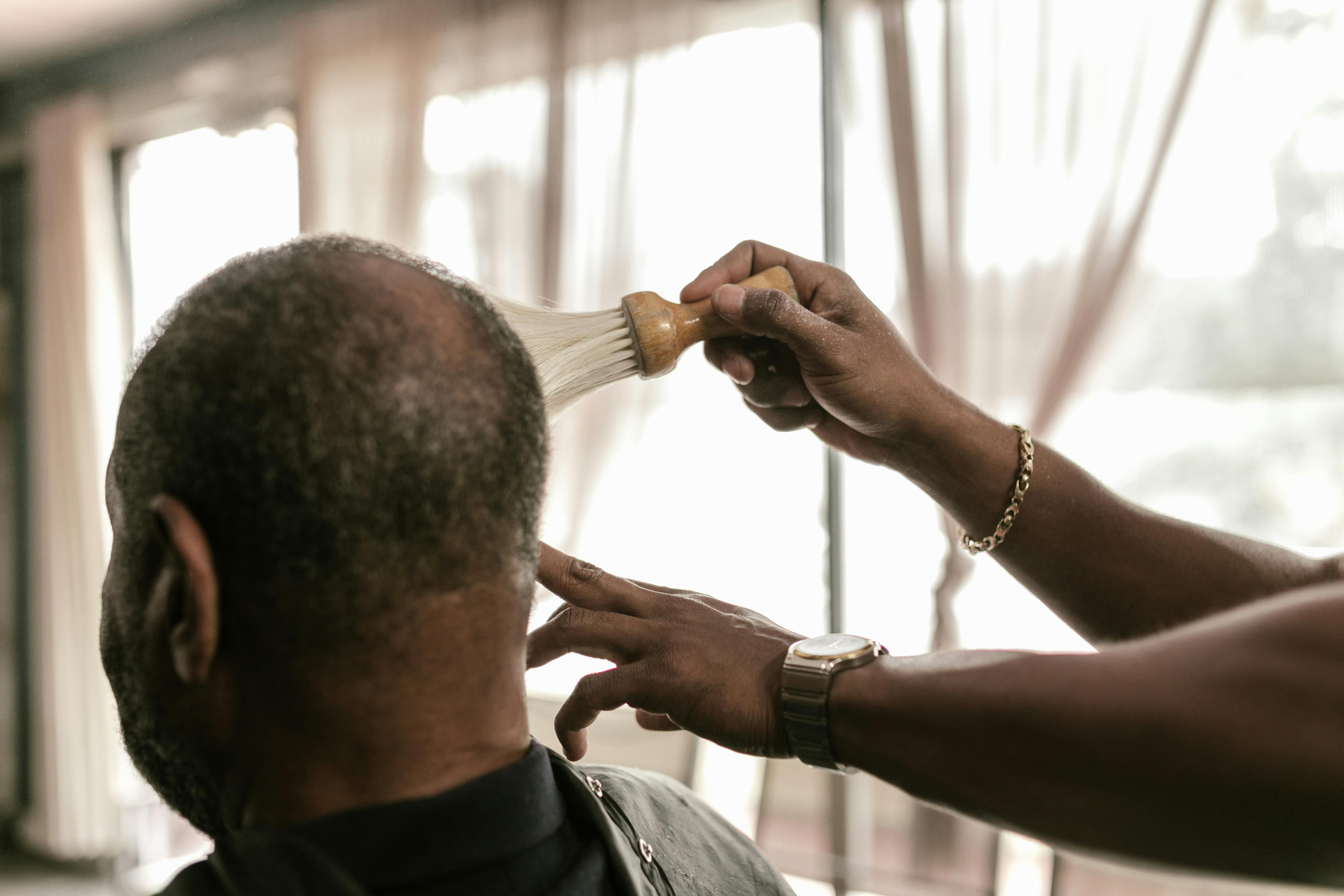
How Stress and Hormonal Imbalance Trigger Hair Loss: Causes, Effects & Remedies.
Disclosure: "This article contains affiliate links. If you purchase through these links, I may earn a commission at no extra cost to you. This helps support my work. Thank you!"
Product: TOPPIK Hair Building Fibers for Instantly Fuller Hair, Dark Brown, 12 g, Fill In Fine or Thinning Hair, Instantly Thicker Looking Hair, Multiple Shades for Men & Women
Product Link: https://amzn.to/4kunb1D
THE ARTICLE.
Introduction
Hair is often seen as a reflection of our health, beauty, and identity. But many people don’t realize how closely hair health is tied to internal factors like stress and hormonal fluctuations. From thinning to shedding, your scalp often signals when your body is under distress. This article explores how stress and hormonal imbalance affect your hair, the types of hair loss they cause, and effective remedies to support regrowth.
The Science of Hair Growth
Hair grows in cycles:
- Anagen (growth phase)
- Catagen (transition phase)
- Telogen (resting/shedding phase)
Any disruption in this cycle—due to hormonal shifts or chronic stress—can lead to premature shedding or stunted growth.
How Stress Affects Your Hair
1. Telogen Effluvium (TE):
The most common stress-related hair loss condition is Telogen Effluvium, where stress pushes hair follicles prematurely into the resting (telogen) phase. Within 2-3 months, you may notice significant shedding.
🔹 Reference: Mayo Clinic. (2023). Hair loss
2. Cortisol and Hair Follicles:
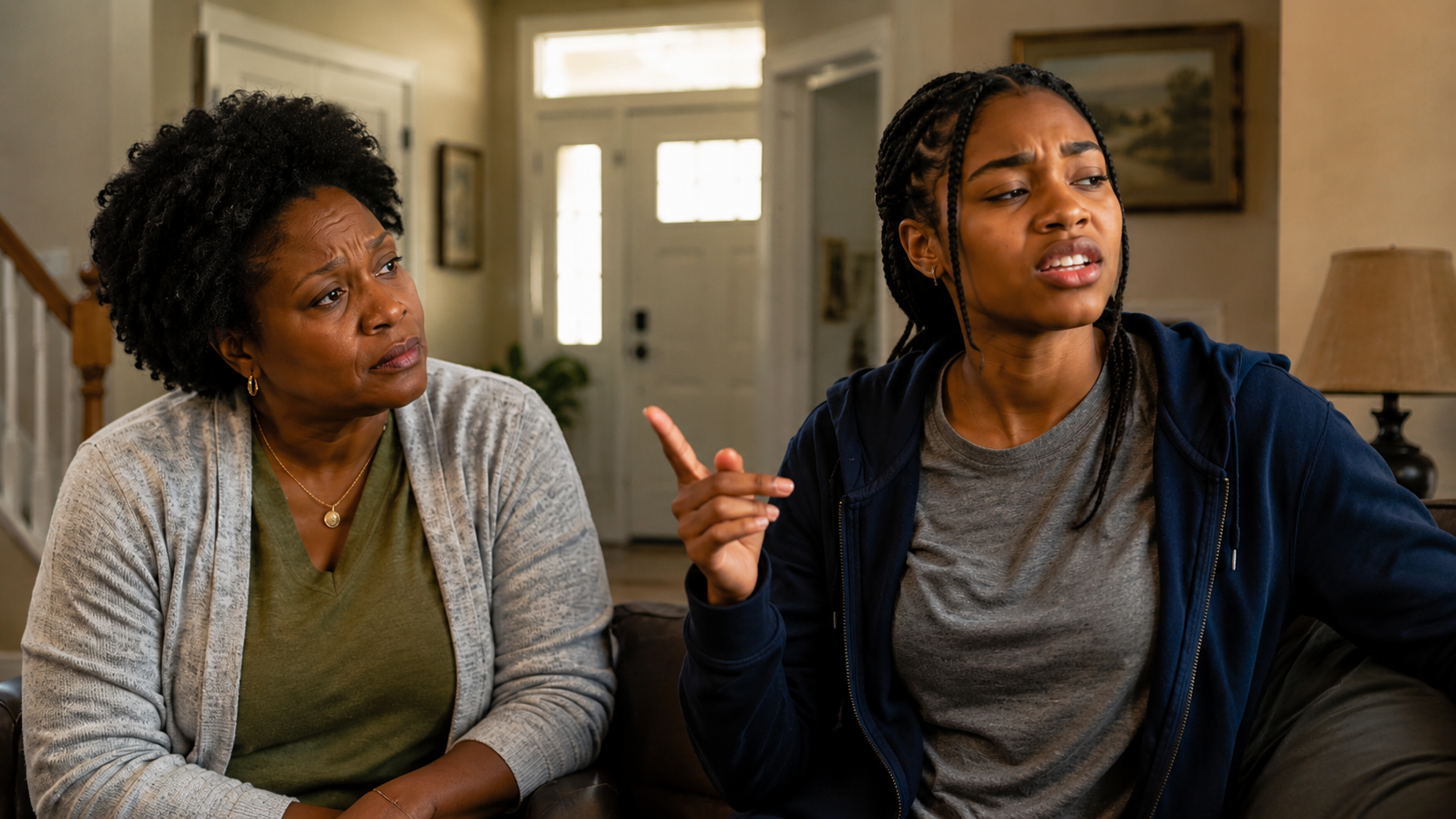
Chronic stress increases cortisol levels. High cortisol suppresses the production of essential hair growth hormones and reduces blood flow to the scalp.
🔹 Reference: American Psychological Association. (2018). Stress Effects
3. Trichotillomania:
A lesser-known stress response is trichotillomania, a psychological disorder where individuals compulsively pull out their hair.
Hormones That Affect Hair Health
1. Estrogen and Progesterone:
These hormones help keep hair in the growing (anagen) phase. A drop, particularly during menopause or postpartum, can trigger hair thinning.
🔹 Reference: Harvard Health Publishing. (2021). Hair loss in women
2. Androgens (Testosterone and DHT):
Excess androgens (especially dihydrotestosterone or DHT) shrink hair follicles, particularly in androgenic alopecia (female or male pattern baldness).
🔹 Reference: National Institutes of Health. (2022). Androgenic alopecia
3. Thyroid Hormones:
Both hyperthyroidism and hypothyroidism can result in thinning hair and changes in hair texture.
🔹 Reference: American Thyroid Association. (2020). Thyroid and Hair Loss
4. Insulin and PCOS:
Hormonal imbalances caused by Polycystic Ovary Syndrome (PCOS) can lead to elevated insulin and androgen levels, contributing to hair thinning on the scalp and unwanted hair growth elsewhere.
Common Signs of Hormonal or Stress-Induced Hair Loss
- Thinning at the crown or part line
- Excessive daily shedding (100+ hairs/day)
- Receding hairline
- Widening hair part
- Brittle or dry strands
Remedies and Prevention
1. Stress Management Techniques
- Mindfulness and meditation
- Regular exercise
- Deep breathing or yoga
- Quality sleep hygiene
2. Hormonal Balance Support
- Consult with an endocrinologist or OBGYN for hormone testing
- Bioidentical hormone therapy (under medical supervision)
- Seed cycling and dietary adjustments
3. Nutrition and Supplements
- Eat a diet rich in protein, iron, zinc, and biotin
- Consider supplements like Vitamin D, Omega-3s, and Adaptogens like ashwagandha
4. Topical and Medical Treatments
- Minoxidil (Rogaine)
- Finasteride (for men)
- PRP (Platelet-Rich Plasma) therapy
- Essential oils like rosemary or peppermint
When to See a Specialist
If you experience sudden, patchy, or prolonged hair loss, it’s essential to consult a dermatologist, trichologist, or endocrinologist. Early intervention can prevent further loss and improve regrowth outcomes.
Conclusion
Hair loss from stress or hormonal imbalances is not just a cosmetic issue—it’s your body signaling an internal imbalance. By addressing the root causes, adopting holistic self-care, and seeking professional help when needed, you can support healthier hair growth and restore your confidence.
https://www.babacares.com/blog-details?details=774&title=How+Stress+and+Hormonal+Imbalance+Trigger+Hair+Loss%3A+Causes%2C+Effects+






Comments