

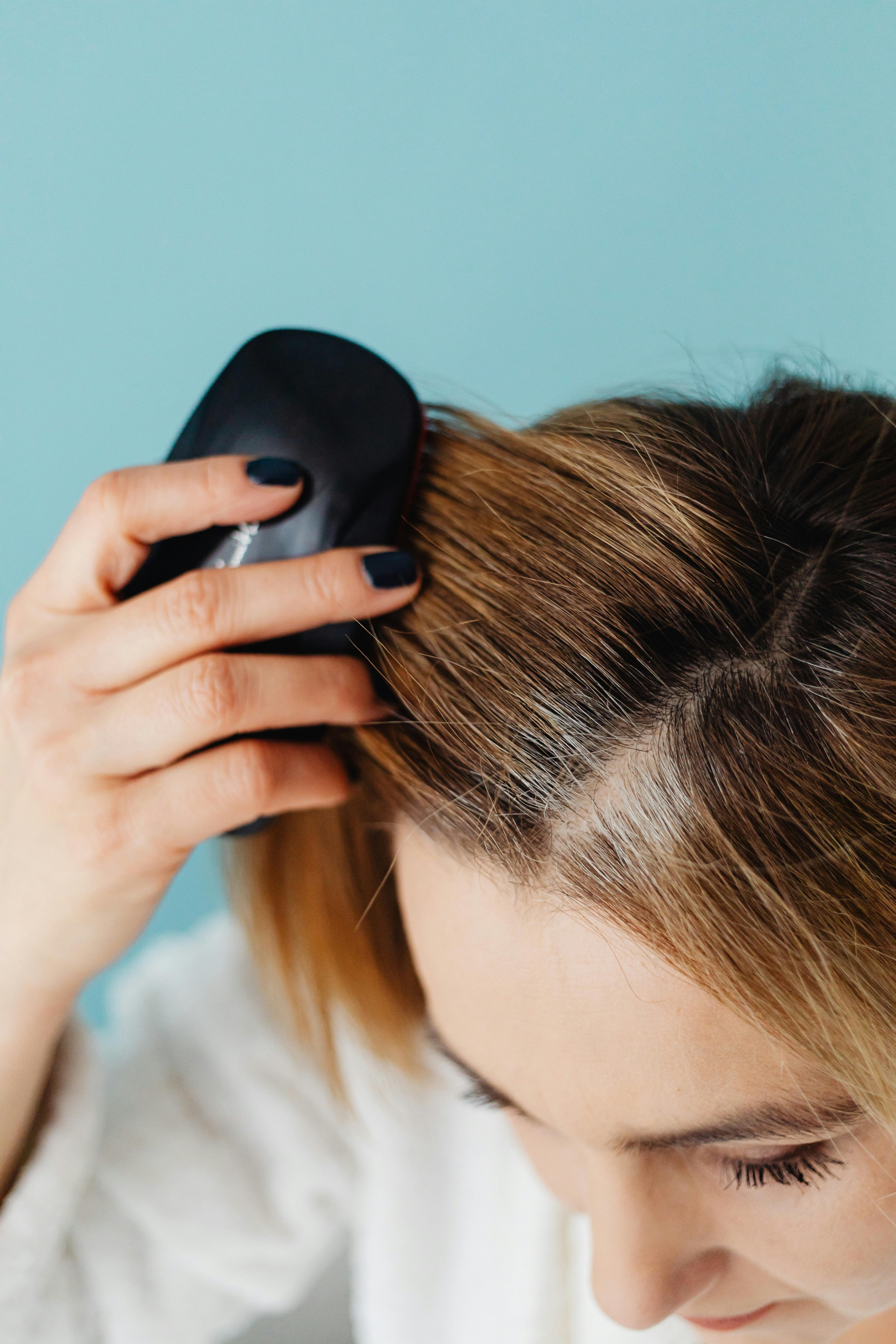
Scalp Massages for Hair Growth and Better Circulation: Benefits, Techniques, and Science-Backed Tips.
Disclosure: "This article contains affiliate links. If you purchase through these links, I may earn a commission at no extra cost to you. This helps support my work. Thank you!"
Product: HEETA Hair Scalp Massager, Scalp Scrubber with Soft Silicone Bristles for Hair Growth & Dandruff Removal, Hair Shampoo Brush for Scalp Exfoliator, Black
Product Link: https://amzn.to/40JAFj0
THE ARTICLE.
Introduction
Scalp massages are more than just a moment of relaxation—they’re a time-tested wellness ritual that promotes hair growth, improves blood circulation, and supports overall scalp health. From ancient Ayurvedic practices to modern beauty routines, scalp massages are gaining popularity as a natural, low-cost method to revitalize both hair and mind. But what does science say? And how should you do it for maximum results?
The Science Behind Scalp Massage and Circulation
Scalp massage works by stimulating blood flow to the hair follicles, which is essential for delivering oxygen and nutrients. A 2016 study published in ePlasty found that participants who received 4-minute daily scalp massages over 24 weeks saw increased hair thickness due to the stretching forces applied to dermal papilla cells in the scalp [1].
Another study in the International Journal of Neuroscience confirmed that regular scalp massage reduced stress hormones like cortisol while boosting serotonin and dopamine levels, contributing to overall relaxation and improved hair conditions [2].
Benefits of Scalp Massage
- Boosts Circulation
- Improved blood flow delivers essential nutrients and oxygen to hair follicles, promoting hair growth and stronger strands.
- Supports Hair Growth
-
- Stimulates the dermal papilla cells, which are critical for hair formation and regrowth.
- Reduces Dandruff and Dryness
-
- Gentle stimulation helps dislodge dead skin cells and distribute natural oils evenly across the scalp.
- Relieves Stress and Tension
-
- A calming scalp massage can lower stress, a known contributor to hair loss and scalp issues.
- Improves Product Absorption
-
- Massaging can enhance the absorption of oils and topical treatments by increasing skin permeability.
How to Perform a Scalp Massage: Step-by-Step Guide
Basic Technique:
- Use your fingertips (not nails) to apply light to medium pressure in circular motions.
- Start at the front hairline and move toward the crown and nape.
- Spend about 5–10 minutes daily or at least 3 times a week.
With Oils (Optional):
- Use natural oils like coconut, castor, rosemary, or jojoba oil.
- Warm the oil slightly for better absorption.
- Massage as described above and leave the oil on for 30 minutes to overnight before washing.
Best Tools for Scalp Massage
- Fingertips: The most accessible and effective tool.
- Silicone Scalp Brushes: Helps exfoliate and stimulate without irritation.
- Electric Scalp Massagers: Offers consistent motion and pressure, ideal for those with hand fatigue.
Who Should Avoid Scalp Massages?
Scalp massage is generally safe but should be avoided or done with caution if:
- You have scalp infections, open sores, or eczema flare-ups.
- You’re recovering from recent scalp surgery.
- You have extremely sensitive skin or certain dermatological conditions—consult a dermatologist first.
Conclusion
Scalp massages are a simple yet powerful self-care habit that can improve circulation, encourage hair growth, and reduce stress. Whether you use your fingertips or a specialized tool, making scalp massage part of your routine may just be the boost your scalp—and hair—needs.
References
- Koyama, T., et al. (2016). Effect of Scalp Massage on Hair Thickness. ePlasty. https://www.ncbi.nlm.nih.gov/pmc/articles/PMC4740347/
- Field, T. (1998). Massage therapy effects. International Journal of Neuroscience, 96(3-4), 271–280. https://doi.org/10.3109/00207459808986405.







Comments