

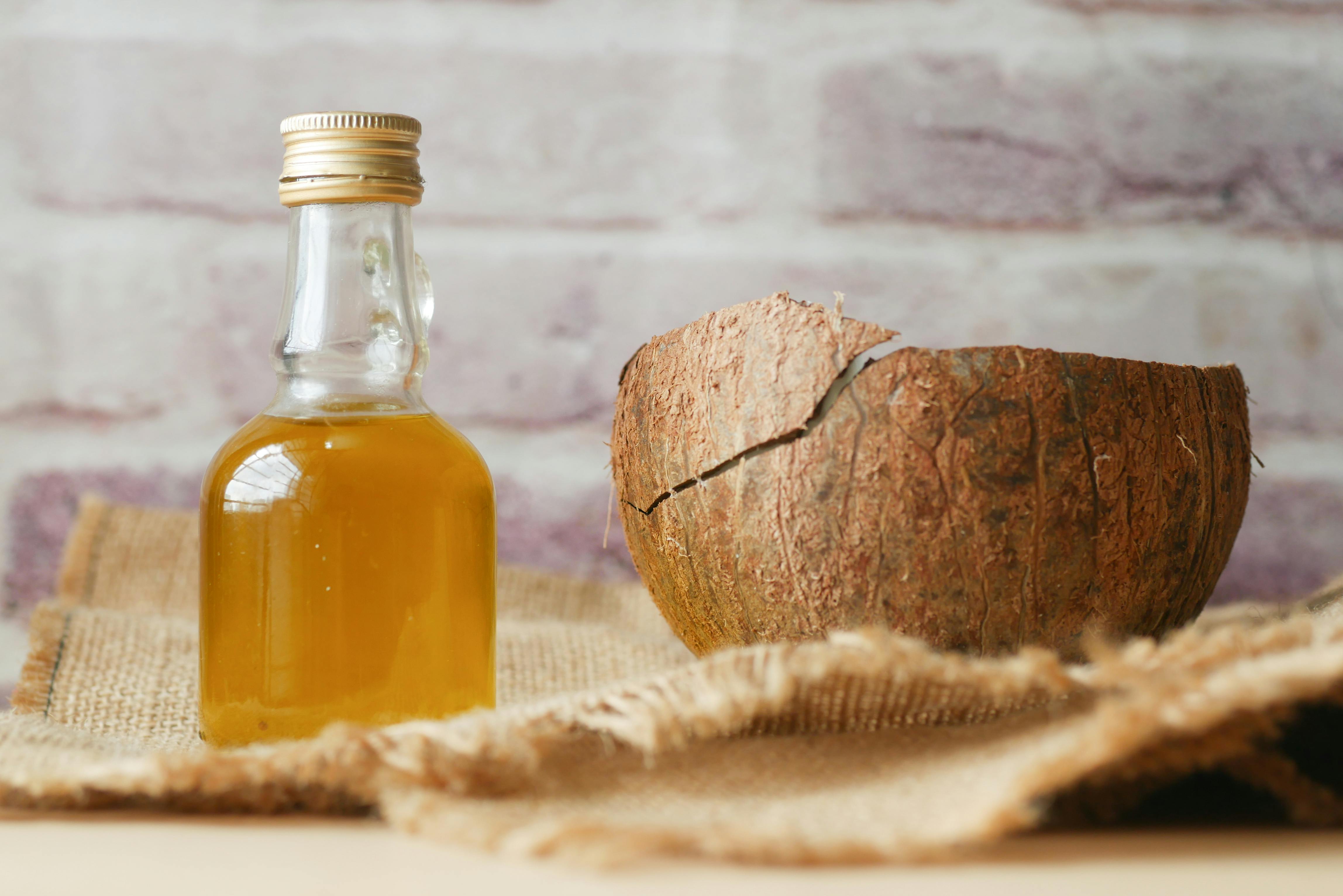
Oil Pulling with Coconut and Sesame Oil: Benefits, How-To, and Scientific Insights.
Disclosure: As an Amazon Associate, I earn from qualifying purchases. I only recommend products or services I believe will add value to my readers. Thank you for supporting this blog!
Product: Sky Organics - Organic Coconut Oil & Vitamin E, 16.9 fl oz - Skin & Hair Ultra-Hydrating Oil - Fatty Acids & Antioxidants - Natural, Vegan & Cruelty Free - Skin Care & Hair Care
Product Link: https://amzn.to/40O3Npg
THE ARTICLE.
Oil pulling is an ancient Ayurvedic practice that involves swishing oil in the mouth to promote oral health and detoxification. Recently, it has gained popularity as a natural remedy for fresh breath, healthier gums, and even systemic wellness.
This article explores the benefits of oil pulling using coconut and sesame oil, guides you on how to do it safely, and highlights scientific research backing this traditional practice.
🦷 What Is Oil Pulling?
Oil pulling, or kavala or gandusha in Ayurveda, involves swishing a tablespoon of edible oil around your mouth for 10–20 minutes, then spitting it out. The oil is believed to “pull” toxins and bacteria from the oral cavity, reducing plaque, inflammation, and oral pathogens.
🥥 Why Use Coconut or Sesame Oil?
Coconut Oil
- Rich in lauric acid, which has antimicrobial and anti-inflammatory properties
- Pleasant taste and smooth texture make it popular
- Supports reduction of Streptococcus mutans, a bacteria linked to cavities
📖 Reference: Peedikayil FC, Sreenivasan P, Narayanan A. (2015). Effect of coconut oil in plaque-related gingivitis – A preliminary report. Nigerian Medical Journal.
Sesame Oil
- Traditional oil used in Ayurveda for centuries
- Contains antioxidants and anti-inflammatory compounds like sesamin and sesamol
- Supports gum health and helps reduce oral bacteria
📖 Reference: Asokan S et al. (2009). Effect of oil pulling on plaque induced gingivitis: A randomized, controlled, triple-blind study. Indian Journal of Dental Research.
🔬 Scientific Evidence Supporting Oil Pulling
- Studies show oil pulling reduces plaque formation, gingival inflammation, and oral bacterial load.
- Some research compares oil pulling’s effectiveness to chlorhexidine mouthwash, a common antiseptic.
- However, oil pulling should be an adjunct, not a replacement, for brushing and flossing.
🛠️ How to Do Oil Pulling Safely
Step-by-step guide:
- Choose your oil: Use organic, cold-pressed coconut or sesame oil.
- Measure 1 tablespoon of oil (start with less if needed).
- Swish gently in your mouth for 10–20 minutes. Avoid swallowing.
- Spit the oil into a trash bin (not the sink, to avoid clogging).
- Rinse your mouth with warm water, optionally with salt.
- Brush your teeth as usual.
Frequency:
- Start with 2–3 times per week.
- Can be done daily for oral health maintenance.
💡 Benefits of Regular Oil Pulling
|
Benefit |
Explanation |
|
Reduces bad breath (halitosis) |
Removes odor-causing bacteria |
|
Supports gum health |
Lowers inflammation and bleeding |
|
May whiten teeth |
Removes stains and plaque buildup |
|
Detoxifies mouth |
Pulls toxins and impurities |
|
Moisturizes mouth tissues |
Helps reduce dry mouth symptoms |
⚠️ Precautions
- Do not swallow the oil; it contains toxins and bacteria from your mouth.
- Consult your dentist if you have chronic oral conditions.
- Oil pulling is complementary, not a substitute for dental care.
🔚 Final Thoughts
Oil pulling with coconut or sesame oil is a simple, natural practice with historical roots and emerging scientific support. When incorporated alongside regular oral hygiene, it can enhance oral health, reduce inflammation, and freshen breath naturally.
📚 References
- Peedikayil FC, Sreenivasan P, Narayanan A. Effect of coconut oil in plaque-related gingivitis – A preliminary report. Nigerian Medical Journal, 2015.
- Asokan S et al. Effect of oil pulling on plaque induced gingivitis: A randomized, controlled, triple-blind study. Indian Journal of Dental Research, 2009.
- American Dental Association – Mouth Rinses and Oral Health, 2020.
- National Center for Complementary and Integrative Health – Oil Pulling: What You Should Know, 2017.
https://www.babacares.com/blog-details?details=769&title=Oil+Pulling+with+Coconut+and+Sesame+Oil%3A+Benefits%2C+How-To%2C+and+Scientific+Insights.










Comments