

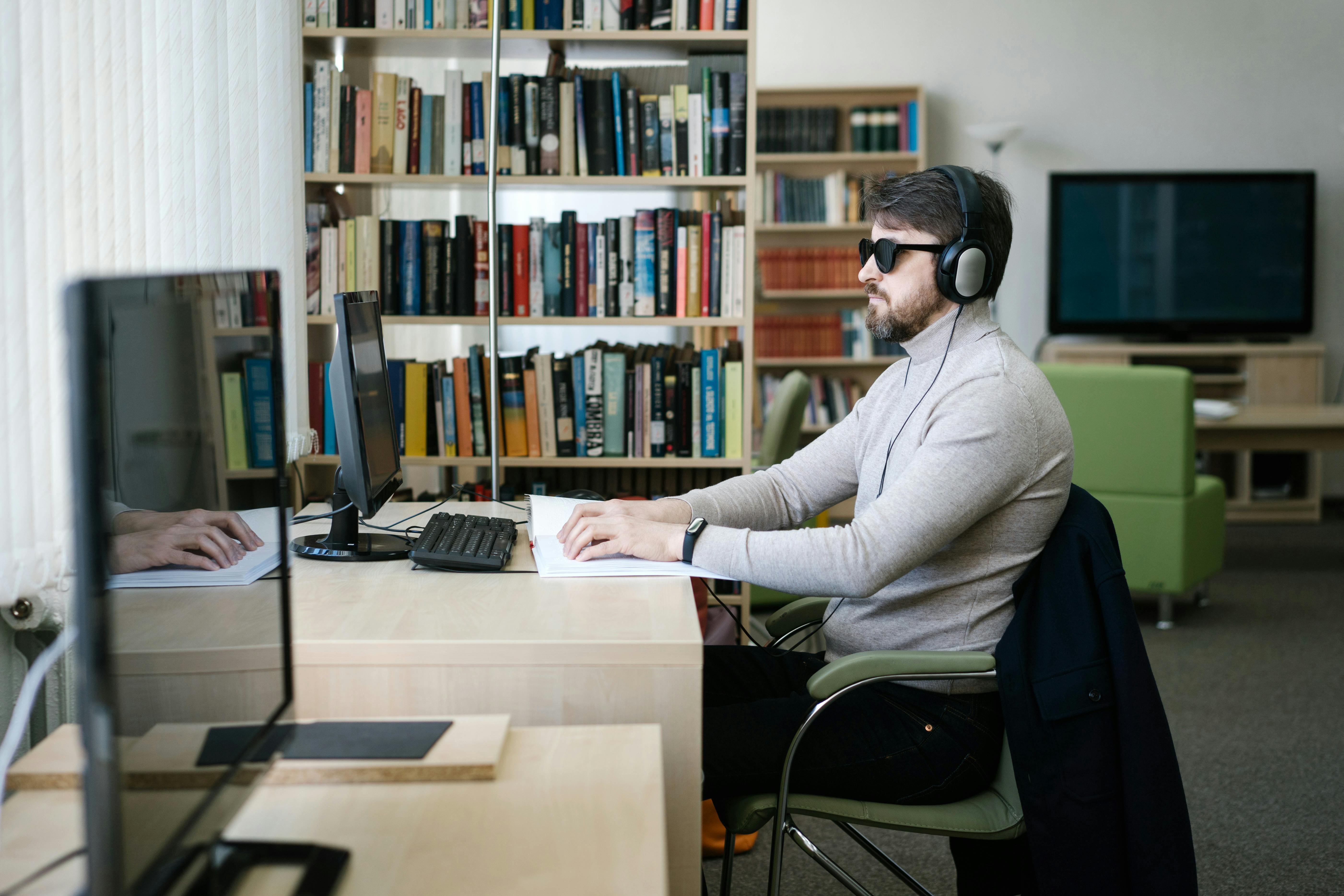
Eye Care Tips for Screen-Heavy Lifestyles: Protect Your Vision in a Digital World.
With remote work, online classes, and constant smartphone use, most people today are spending over 7 hours a day in front of screens. While digital devices are essential, excessive screen time can lead to digital eye strain—also known as computer vision syndrome.
If you're experiencing dry eyes, headaches, blurred vision, or difficulty focusing, you’re not alone. This article explores the top eye care tips for screen-heavy lifestyles, backed by science and expert advice, to help reduce strain and protect your long-term vision.
👁️ What Is Digital Eye Strain?
Digital eye strain refers to a group of eye and vision-related problems that result from prolonged use of computers, tablets, e-readers, and smartphones.
Common symptoms include:
- Dry, irritated, or red eyes
- Headaches
- Blurred or double vision
- Neck and shoulder pain
- Difficulty focusing at a distance after screen time
📖 Reference: American Optometric Association (AOA) – https://www.aoa.org
🧠 Why Screens Affect Your Eyes
Screens emit blue light (high-energy visible or HEV light), which scatters more easily than other visible light, making your eyes work harder to focus. Prolonged screen use also reduces your blink rate by up to 60%, leading to dry eyes and inflammation.
📖 Reference: BMJ Open Ophthalmology (2021) – “Blue light and digital screen use: emerging challenges for the eye”
🛡️ Top Eye Care Tips for Screen-Heavy Lifestyles
1. Follow the 20-20-20 Rule
Every 20 minutes, look at something 20 feet away for at least 20 seconds. This reduces fatigue and gives your eye muscles a break.
📖 Reference: American Academy of Ophthalmology (AAO) – https://www.aao.org
2. Adjust Screen Settings
- Brightness: Match screen brightness with your surroundings.
- Text size and contrast: Use black text on a white background.
- Color temperature: Reduce blue light by using “night mode” or “blue light filters.”
Recommended Tools:
- F.lux (desktop software)
- Night Shift mode (iOS)
- Eye Saver mode (Samsung devices)
3. Use Artificial Tears or Lubricating Eye Drops
Frequent screen users blink less, which causes dry eyes. Use preservative-free artificial tears to stay moisturized throughout the day.
📖 Reference: Ophthalmology and Therapy Journal (2020) – “Management of dry eye associated with screen use”
4. Wear Blue Light Blocking Glasses
Blue light filtering lenses help reduce retinal strain, improve sleep quality, and may reduce headaches.
Note: While research is ongoing, several studies suggest blue-light filtering glasses can reduce eye fatigue for screen users.
📖 Reference: Contact Lens & Anterior Eye (2021)
5. Keep Screens at the Right Distance
- Position the top of your screen at or just below eye level.
- Keep the monitor 20–24 inches from your eyes.
- Avoid glare by using a matte screen filter or adjusting your lighting.
6. Practice Eye Exercises
Stretch your eye muscles and reduce stiffness by:
- Rolling your eyes clockwise and counterclockwise
- Shifting focus between a near and far object every 10 minutes
- Palming: Rub your hands together and place them over your closed eyes for 1 minute
7. Stay Hydrated
Dehydration can worsen dry eyes. Drink at least 8 glasses of water a day, especially if working in air-conditioned or heated environments.
8. Eat for Eye Health
Incorporate nutrients that support vision and prevent eye fatigue:
- Lutein and zeaxanthin: Leafy greens (spinach, kale)
- Vitamin A: Carrots, sweet potatoes
- Omega-3 fatty acids: Flaxseed, salmon
- Zinc: Pumpkin seeds, chickpeas
📖 Reference: Age-Related Eye Disease Study (AREDS) – National Eye Institute
💤 Don’t Forget Sleep!
Excessive screen time at night suppresses melatonin, disturbing your sleep cycle, which affects tear production and eye repair. Turn off screens 1 hour before bedtime or wear blue light glasses after sunset.
📋 Quick Recap: Eye Care Checklist
|
Tip |
Why It Helps |
|
20-20-20 Rule |
Reduces strain & fatigue |
|
Screen adjustments |
Minimizes glare and stress |
|
Artificial tears |
Prevents dry eyes |
|
Blue light glasses |
Filters harmful HEV light |
|
Proper screen positioning |
Avoids neck strain & focus issues |
|
Eye-friendly diet |
Supports long-term eye health |
|
Regular breaks |
Restores blink rate & eye moisture |
🧑⚕️ When to See an Eye Doctor
If you experience:
- Persistent headaches
- Eye pain or burning
- Sudden changes in vision
- Frequent tearing or severe dryness
Schedule a visit with an optometrist or ophthalmologist for a comprehensive exam. Annual eye checks are essential—especially if you're screen-bound daily.
🔚 Final Thoughts
Your eyes are under constant pressure in today’s digital world, but the right habits can make a world of difference. By practicing smart screen hygiene, eating nutrient-rich foods, and giving your eyes regular rest, you can reduce strain and protect your vision for the long haul.
📚 References:
- American Optometric Association (AOA) – https://www.aoa.org
- American Academy of Ophthalmology (AAO) – https://www.aao.org
- BMJ Open Ophthalmology – “Effects of Blue Light on the Eye” – https://bmjophth.bmj.com
- Ophthalmology and Therapy (2020) – Dry Eye & Screen Use Study
- National Eye Institute – https://www.nei.nih.gov
https://www.babacares.com/blog-details?details=767&title=Eye+Care+Tips+for+Screen-Heavy+Lifestyles%3A+Protect+Your+Vision+in+a+Digital+World.









Comments