

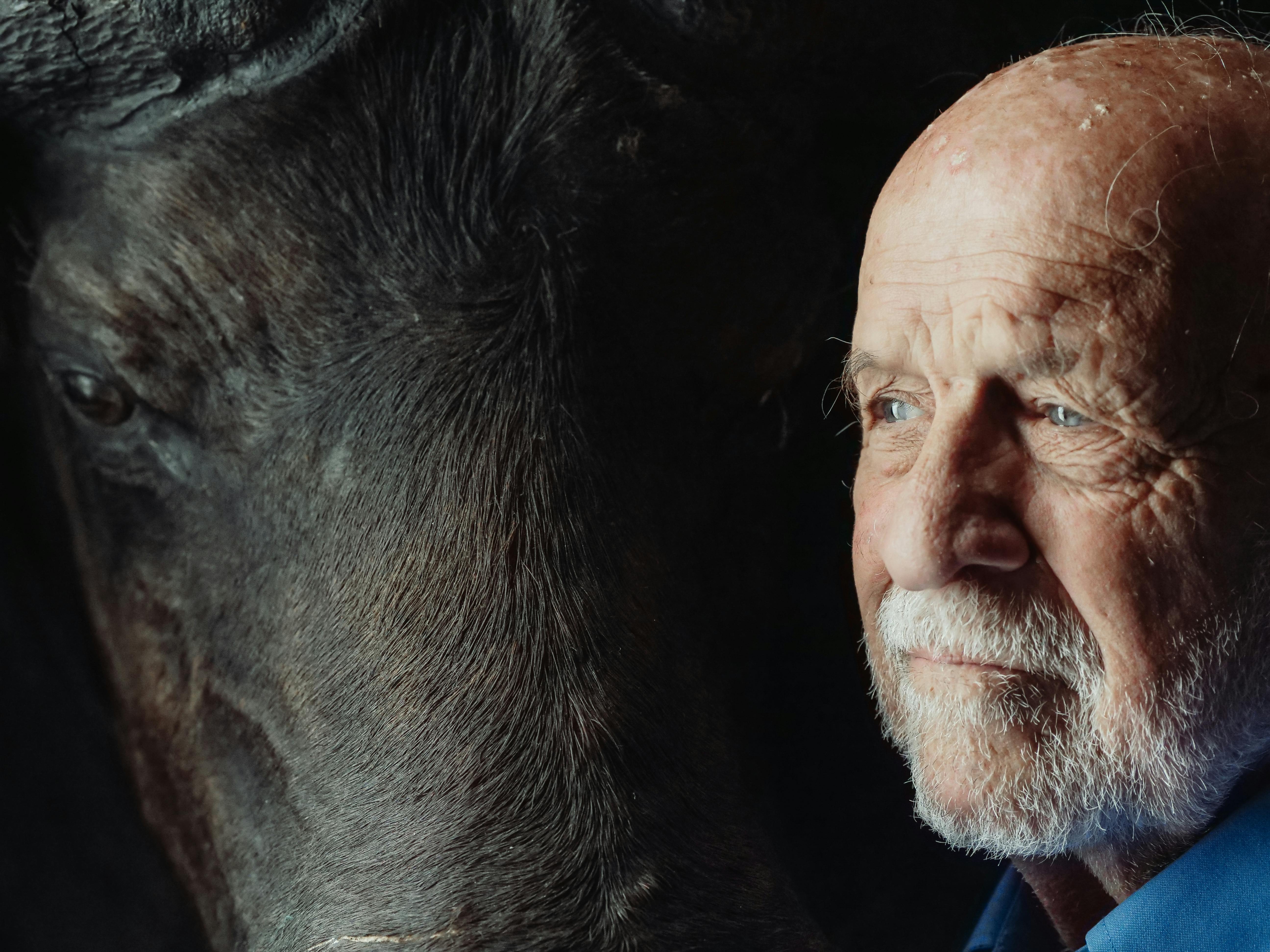
Hair Loss Prevention and Beard Care Tips for Men: Boost Growth and Confidence Naturally.
Disclosure:"This article contains affiliate links. If you purchase through these links, I may earn a commission at no extra cost to you. This helps support my work. Thank you!"
Product: Nutricap for Men Hair Growth - Made In Canada - Hair Vitality and Strength for Men - Biotin, Saw Palmetto, Horsetail & Whey Extract - 2 Months
Product Link: https://amzn.to/44Pz5OZ
THE ARTICLE.
Hair and beard grooming are more than just trends—they’re part of a man’s personal brand, confidence, and hygiene. While genetics play a role in hair loss, several lifestyle changes and proper grooming techniques can help slow the process, support regrowth, and promote a fuller beard. This guide covers essential hair loss prevention strategies and effective beard care tips with evidence-based advice.
🧑🦲 Hair Loss in Men: What Causes It?
Hair loss in men—known as androgenetic alopecia (male pattern baldness)—affects over 50% of men by age 50. The primary factors include:
- Genetics: Family history is the most common cause.
- Hormonal Changes: Dihydrotestosterone (DHT) is a hormone that shrinks hair follicles.
- Stress: Physical or emotional stress can lead to temporary hair shedding (telogen effluvium).
- Nutritional Deficiency: Lack of vitamins like D, B12, and biotin may affect hair health.
- Medical Conditions: Thyroid disease, anemia, or scalp infections may contribute.
📖 Reference: American Academy of Dermatology Association (AAD) – aad.org
🛡️ Hair Loss Prevention Tips for Men
1. Use DHT-Blocking Shampoos
Shampoos with ingredients like ketoconazole, saw palmetto, or caffeine may reduce DHT’s effect on hair follicles.
📖 Reference: Dermatologic Therapy Journal (2019) – Wiley Online Library
2. Try Minoxidil (Rogaine)
An FDA-approved topical treatment that improves blood flow to hair follicles and stimulates growth.
- Apply twice daily to the scalp.
- Results usually appear within 3–6 months of consistent use.
📖 Reference: U.S. Food and Drug Administration (FDA) – fda.gov
3. Eat a Hair-Friendly Diet
Nutrients that support hair growth:
- Protein (keratin production)
- Iron (prevents hair thinning)
- Zinc and Biotin (supports follicle strength)
- Omega-3 fatty acids (reduces inflammation in the scalp)
📖 Reference: Harvard Health Publishing – health.harvard.edu
4. Avoid Heat and Harsh Chemicals
Frequent blow-drying, coloring, or using alcohol-based styling products can damage hair shafts and lead to breakage.
5. Reduce Stress
Chronic stress can push hair into the resting phase, causing more shedding. Try:
- Meditation
- Regular exercise
- Adequate sleep
📖 Reference: Journal of Clinical and Diagnostic Research (2015) – jcdr.net
🧔 Beard Care: How to Grow and Maintain a Healthy Beard
Beard grooming is as important as scalp hair care. Whether you want a full beard or a neatly trimmed goatee, consistency is key.
1. Wash and Condition Your Beard
Use a beard-specific wash (not regular shampoo) 2–3 times a week. Follow with a beard conditioner or oil to soften hair and reduce itchiness.
2. Apply Beard Oil or Balm
Beard oil hydrates the skin beneath and adds shine. Choose products with:
- Jojoba oil
- Argan oil
- Tea tree oil (antibacterial)
📖 Reference: International Journal of Cosmetic Science (2018)
3. Brush or Comb Daily
This helps train your beard to grow in the right direction and prevents tangles.
4. Exfoliate the Skin Beneath
Use a gentle scrub or exfoliating brush once a week to remove dead skin cells and unclog hair follicles.
5. Be Patient and Avoid Over-Trimming
It takes 4–6 weeks for a beard to fully fill out. Resist the urge to trim too soon or too often.
💡 Beard Growth Myths Debunked
|
Myth |
Truth |
|
Shaving makes beards grow faster |
False – shaving has no effect on hair thickness or speed. |
|
Beard oils make hair grow |
Partially true – they nourish follicles but don’t change genetics. |
|
Testosterone alone determines beard growth |
False – both testosterone and genetics affect beard density. |
📖 Reference: Cleveland Clinic – clevelandclinic.org
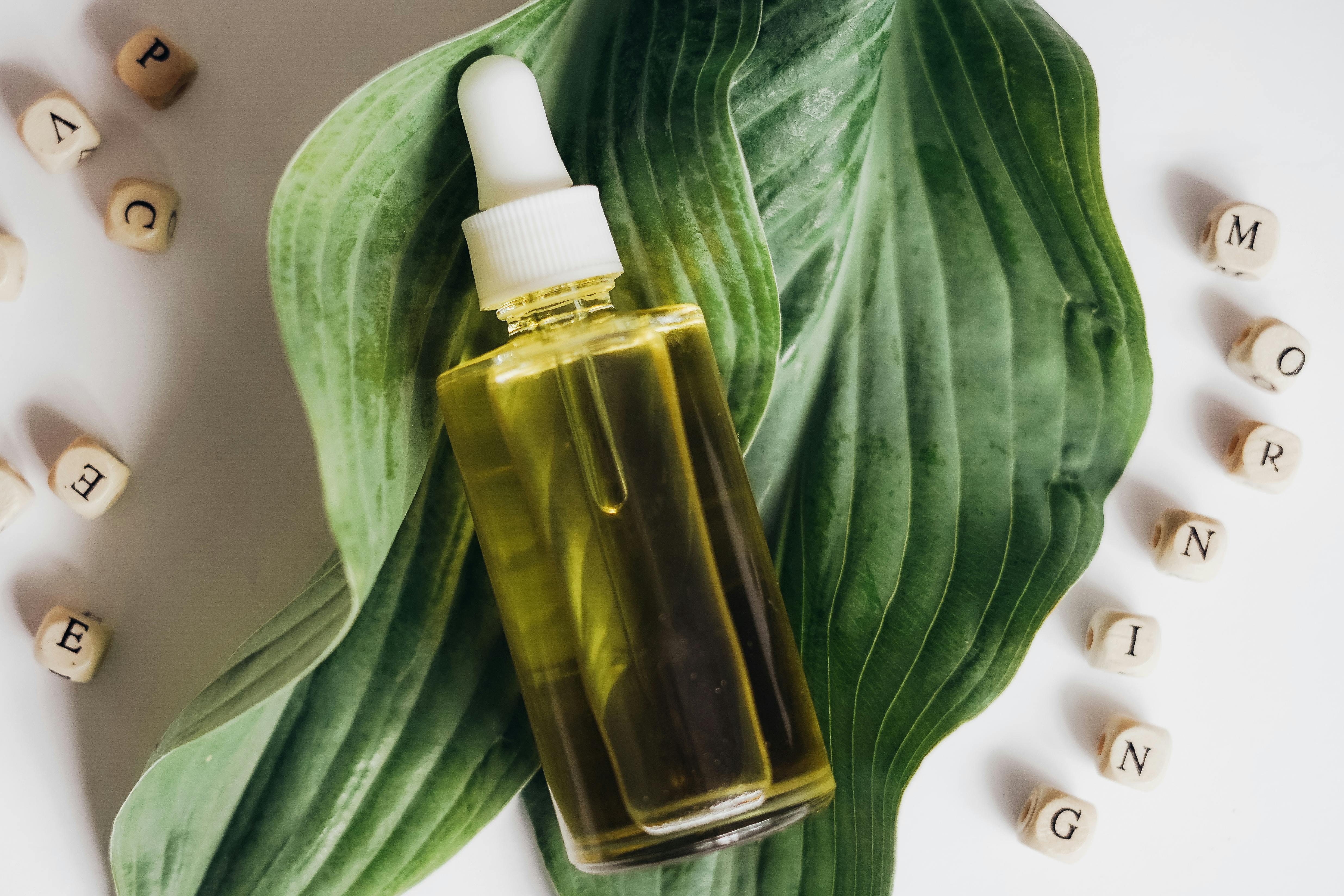
🧴 Bonus: Natural Oils for Scalp and Beard Health
- Castor oil: Contains ricinoleic acid that may improve blood flow to follicles.
- Peppermint oil: Shown to boost hair growth in animal studies.
- Rosemary oil: A 2015 study found it comparable to minoxidil in treating hair loss.
📖 Reference: Skinmed Journal (2015) – “Rosemary oil vs Minoxidil”
🔚 Final Thoughts
Hair loss and beard grooming don’t have to be stressful. Prevention starts with a consistent routine, healthy lifestyle choices, and the right products tailored to your needs. Whether you're trying to save your strands or boost beard growth, stay informed and committed.
✅ Quick Summary:
|
Hair Care |
Beard Care |
|
DHT-blocking shampoo |
Wash with beard cleanser |
|
Minoxidil use |
Use beard oil or balm |
|
Healthy diet & hydration |
Exfoliate skin beneath beard |
|
Stress reduction |
Comb and shape regularly |
References:
- American Academy of Dermatology – https://www.aad.org
- Harvard Health Publishing – https://www.health.harvard.edu
- FDA: Hair Loss Treatments – https://www.fda.gov
- Cleveland Clinic: Beard Health – https://my.clevelandclinic.org
- Dermatologic Therapy (2019) – Wiley
- Skinmed Journal (2015) – “Rosemary Oil vs. Minoxidil”
https://www.babacares.com/blog-details?details=761&title=Hair+Loss+Prevention+and+Beard+Care+Tips+for+Men%3A+Boost+Growth+and+Confidence+Naturally.






Comments