

.jpg)
Top 15 Foods That Help Regulate Hormones Naturally for Better Health and Balance.
Disclosure: "This article contains affiliate links. If you purchase through these links, I may earn a commission at no extra cost to you. This helps support my work. Thank you!"
Product: RENEW ACTIVES Shatavari 400MG per Serving– Natural Adaptogen for Energy, Vitality & Endurance – Promotes Wellness & Resilience with Ayurvedic Herbs – Organic, Vegan – Made in Canada – 120 Capsules
Product Link: https://amzn.to/4npoD8a
THE ARTICLE.
Introduction
Hormones are the body’s chemical messengers—regulating everything from metabolism and mood to fertility and sleep. When hormones become imbalanced due to stress, poor diet, age, or lifestyle factors, symptoms like fatigue, weight gain, mood swings, acne, and irregular periods can arise.
Fortunately, what you eat plays a powerful role in restoring hormonal balance. This article outlines 15 of the best hormone-balancing foods, how they work, and the science behind them.
Why Hormonal Balance Matters
Hormones like estrogen, progesterone, testosterone, insulin, cortisol, and thyroid hormones influence:
- Energy and sleep
- Reproductive health
- Mood and brain function
- Muscle and bone strength
- Skin clarity
- Weight and metabolism
Diet can either support or disrupt these hormones. Incorporating the right foods helps to naturally regulate their levels and reduce the need for medications in mild to moderate imbalances.
15 Best Foods That Help Regulate Hormones Naturally
1. Flaxseeds
- Rich in lignans (phytoestrogens) that help balance estrogen.
- Supports menstrual health and reduces symptoms of PMS and menopause.
✅ Add to smoothies or oatmeal (1–2 tbsp ground daily).
2. Avocados
- Packed with healthy monounsaturated fats that support hormone production.
- Helps reduce cortisol and improves heart and brain health.
✅ Enjoy in salads, on toast, or as guacamole.
3. Salmon (Wild-Caught)
- Excellent source of omega-3 fatty acids, which reduce inflammation and support estrogen and progesterone balance.
- Boosts mood and supports brain and thyroid function.
✅ Aim for 2–3 servings per week.
4. Broccoli and Cruciferous Vegetables
- Includes broccoli, Brussels sprouts, kale, and cauliflower.
- Contains compounds like DIM (diindolylmethane) that support estrogen detoxification.
✅ Steam or sauté for maximum benefit.
5. Pumpkin Seeds
- High in zinc, which supports testosterone and progesterone production.
- Part of seed cycling for regulating the menstrual cycle.
✅ Add to granola or salads.
6. Sesame Seeds
- Rich in lignans and essential fatty acids.
- Helps regulate estrogen and supports liver detox.
✅ Use in seed cycling or sprinkle on stir-fries.
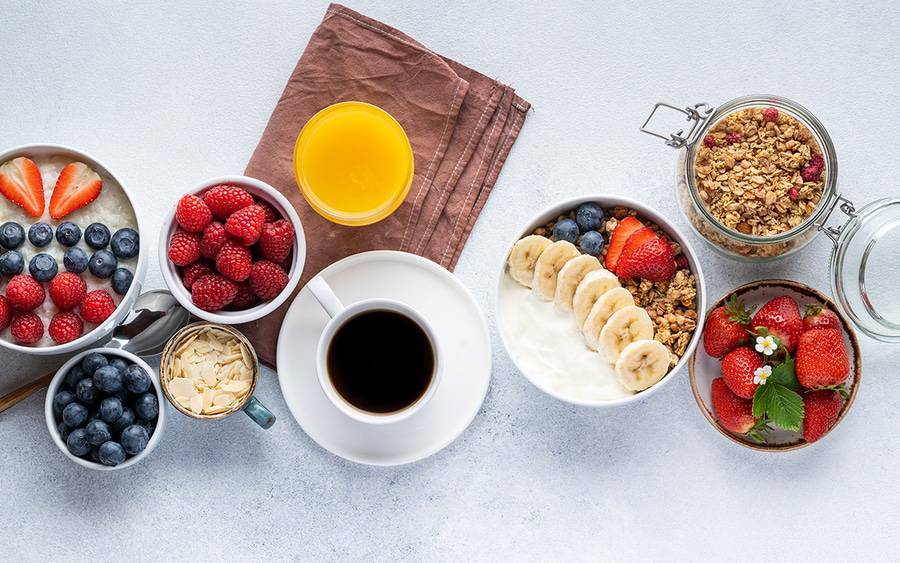
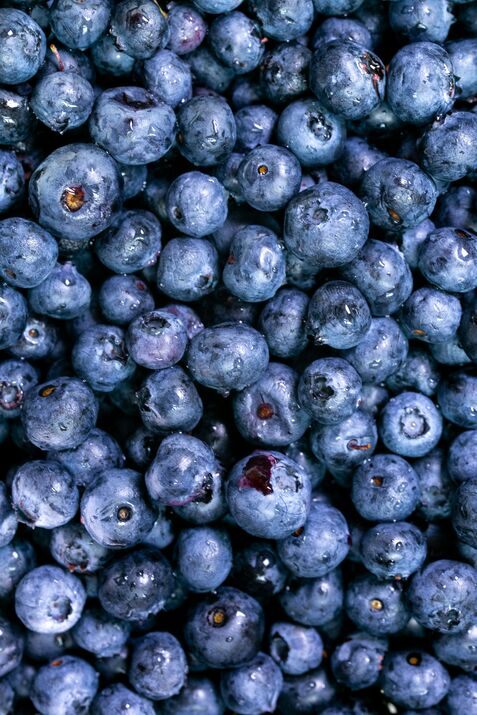
7. Berries (Blueberries, Raspberries, Strawberries)
- Loaded with antioxidants that combat oxidative stress.
- Supports adrenal health and hormone production.
✅ Great as snacks or smoothie ingredients.
8. Leafy Greens (Spinach, Kale, Swiss Chard)
- High in magnesium, which reduces PMS, anxiety, and cortisol.
- Supports blood sugar balance and thyroid function.
✅ Eat raw or cooked daily.
9. Chickpeas and Lentils
- Good plant-based sources of phytoestrogens and B vitamins.
- Aid in estrogen modulation and energy metabolism.
✅ Great for soups, salads, or curries.
10. Eggs
- Contain essential amino acids, vitamin D, and choline.
- Support estrogen, progesterone, and testosterone production.
✅ Choose pasture-raised when possible.
11. Sweet Potatoes
- High in complex carbs and beta-carotene.
- Supports progesterone production and balances blood sugar.
✅ Roast, mash, or bake as a hormone-friendly side.
12. Brazil Nuts
- Rich in selenium, which supports thyroid hormone conversion and detoxification.
✅ Just 1–2 nuts per day is enough!
13. Turmeric
- Contains curcumin, a powerful anti-inflammatory that helps lower cortisol.
- Supports liver detox, aiding in hormone clearance.
✅ Add to soups, stews, or golden milk.
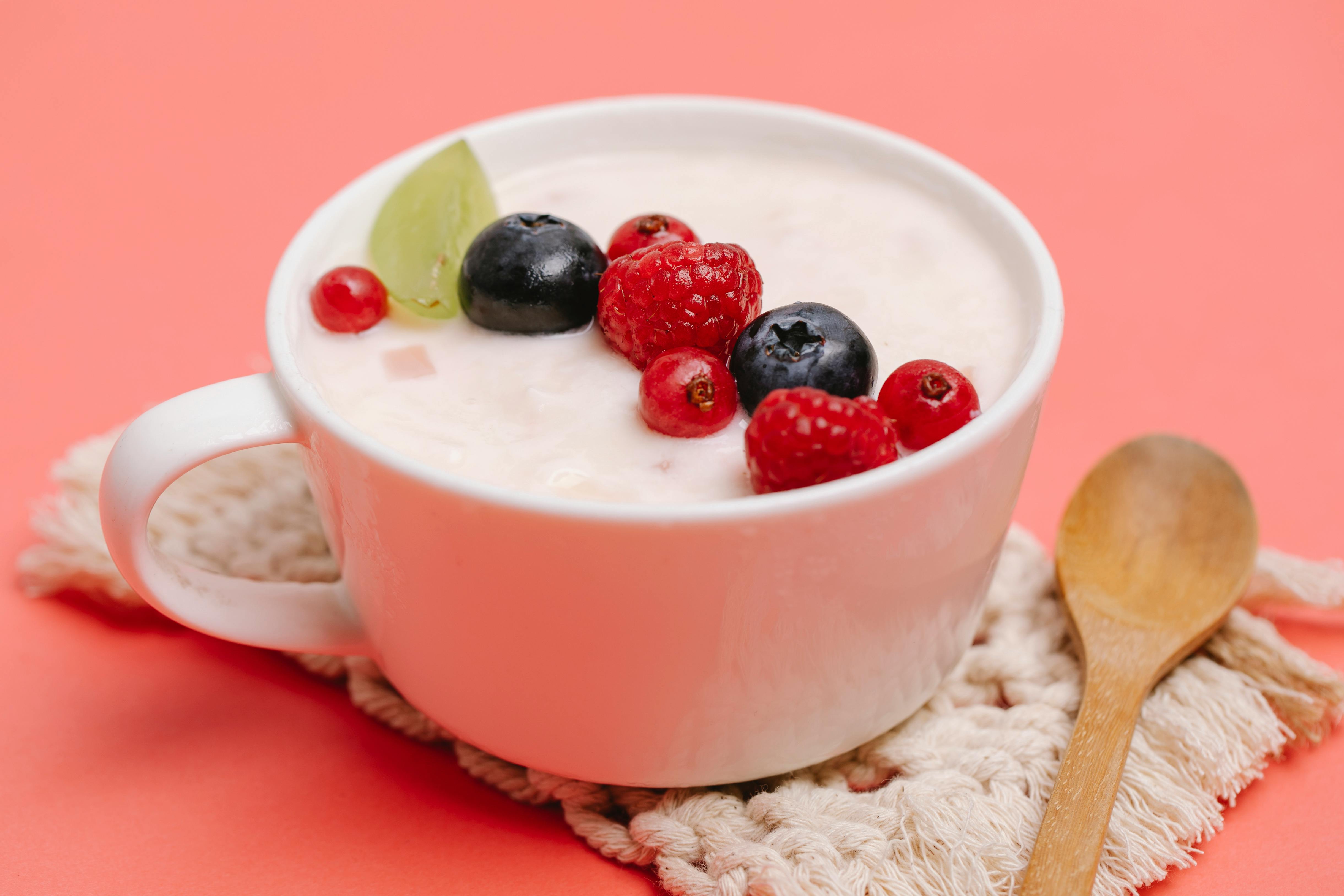
14. Greek Yogurt (Unsweetened)
- Source of probiotics that improve gut health and hormone metabolism.
- Supports estrogen detoxification and mood regulation.
✅ Top with flaxseeds or berries for extra benefits.
15. Dark Chocolate (70%+ Cocoa)
- High in magnesium and antioxidants.
- Helps reduce cortisol and improves mood.
✅ Enjoy in moderation (1–2 squares daily).
Foods to Avoid for Hormone Health
To support hormonal balance, reduce or eliminate:
- Refined sugar and high-fructose corn syrup
- Trans fats and highly processed foods
- Alcohol (especially excess)
- Caffeine in large amounts
- Non-organic dairy and meats with added hormones
Bonus Tips for Natural Hormonal Balance
- Exercise regularly: Supports insulin, testosterone, and endorphins
- Sleep 7–9 hours: Crucial for melatonin and cortisol regulation
- Manage stress: Chronic stress raises cortisol, which disrupts other hormones
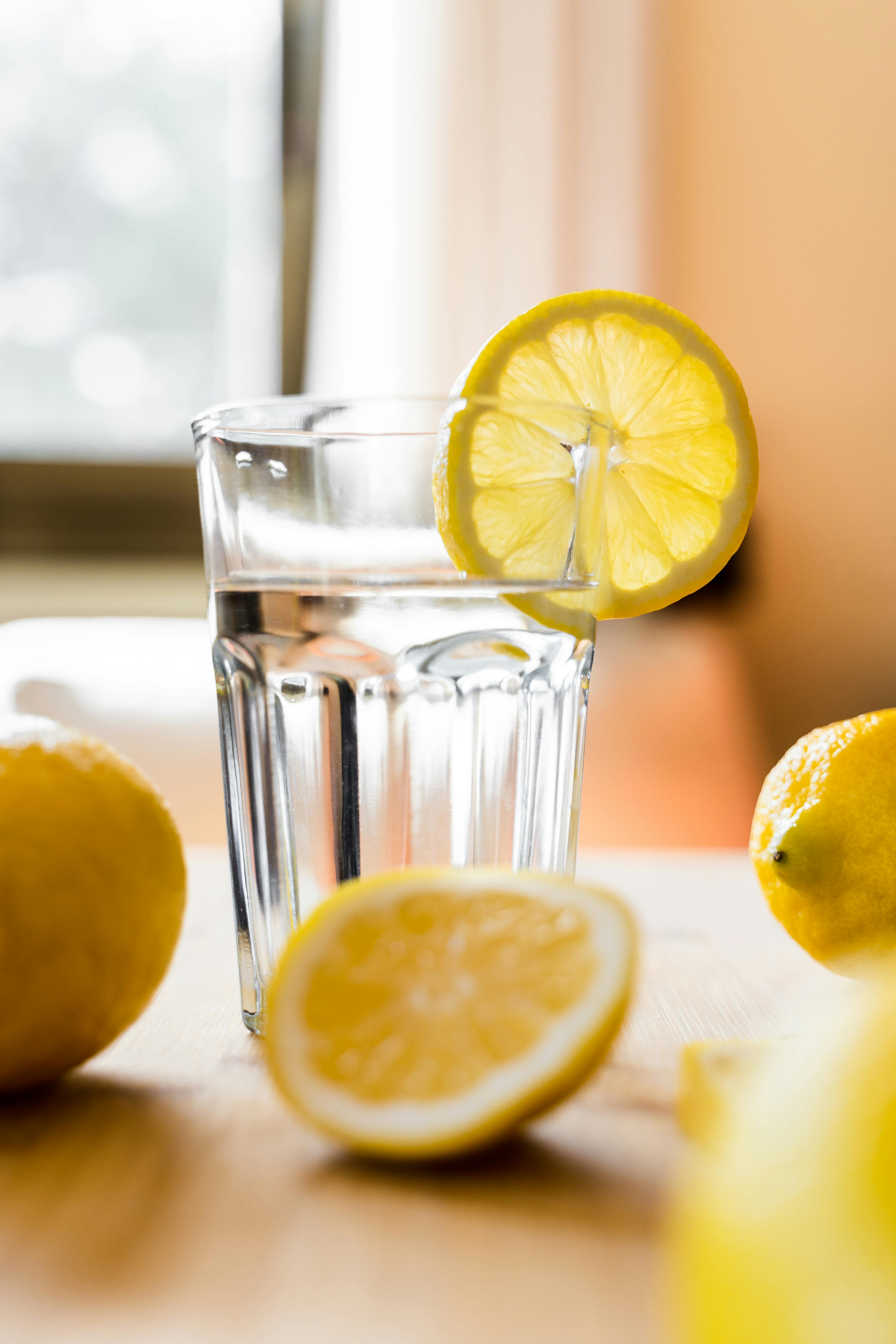
- Stay hydrated: Water aids detox and hormone transport
Final Thoughts
Hormonal imbalances can be disruptive, but food is one of the most powerful tools to restore balance naturally. By consistently including these hormone-regulating foods in your diet, you can support better energy, clearer skin, emotional stability, and overall wellness.
Before making significant dietary or hormonal changes, always consult a healthcare professional—especially if you have diagnosed endocrine conditions or are on medication.
References
- Murray, M., & Pizzorno, J. (2012). The Encyclopedia of Natural Medicine. Atria Books.
- Fuhrman, J. (2011). Super Immunity: The Essential Nutrition Guide for Boosting Your Body’s Defenses. HarperOne.
- National Institutes of Health – Office of Dietary Supplements. https://ods.od.nih.gov
- Wright, J. V., & Lenard, L. (2010). Stay Young & Sexy with Bio-Identical Hormone Replacement. Smart Publications.
- Patisaul, H. B., & Jefferson, W. (2010). The pros and cons of phytoestrogens. Frontiers in Neuroendocrinology, 31(4), 400–419. https://doi.org/10.1016/j.yfrne.2010.03.003
https://www.babacares.com/blog-details?details=758&title=%C2%A0Top+15+Foods+That+Help+Regulate+Hormones+Naturally+for+Better+Health+and+Balance.




Comments