

AI-Powered Personal Trainers, Strength-Based Aging, and Hybrid Gyms: Top Fitness Innovations for 2025.
The fitness world is transforming faster than ever, thanks to a powerful convergence of artificial intelligence, longevity science, and digital-physical integration. In 2025, three major trends are redefining how we approach exercise and wellness: AI-powered personal trainers, strength-based aging programs, and the rise of hybrid gyms that combine online and in-person experiences.
Whether you're a beginner looking for guidance or an older adult focused on healthy aging, these cutting-edge innovations are making fitness smarter, more accessible, and more personalized than ever before.
1. AI-Powered Personal Trainers: Fitness Meets Machine Learning
Artificial Intelligence is revolutionizing personal training by offering real-time, adaptive coaching that learns and evolves with each user. No longer limited to static routines, AI trainers use biometric data, performance history, and recovery metrics to design highly individualized workouts.
Key Features:
- Dynamic program adjustments based on heart rate variability, sleep, and fatigue levels.
- Form correction via camera or motion sensors, as seen in apps like Tempo Move, Fitbod AI, and Freeletics.
- Voice-guided coaching and motivational feedback tailored to progress and goals.
A 2024 report from MIT Technology Review noted that AI-driven fitness platforms can improve consistency and reduce injury risk by up to 30% compared to self-guided workouts (MIT Tech Review, 2024).
With AI, users gain access to elite-level coaching without the high cost of traditional personal trainers.
2. Strength-Based Aging: Fitness for Longevity and Vitality
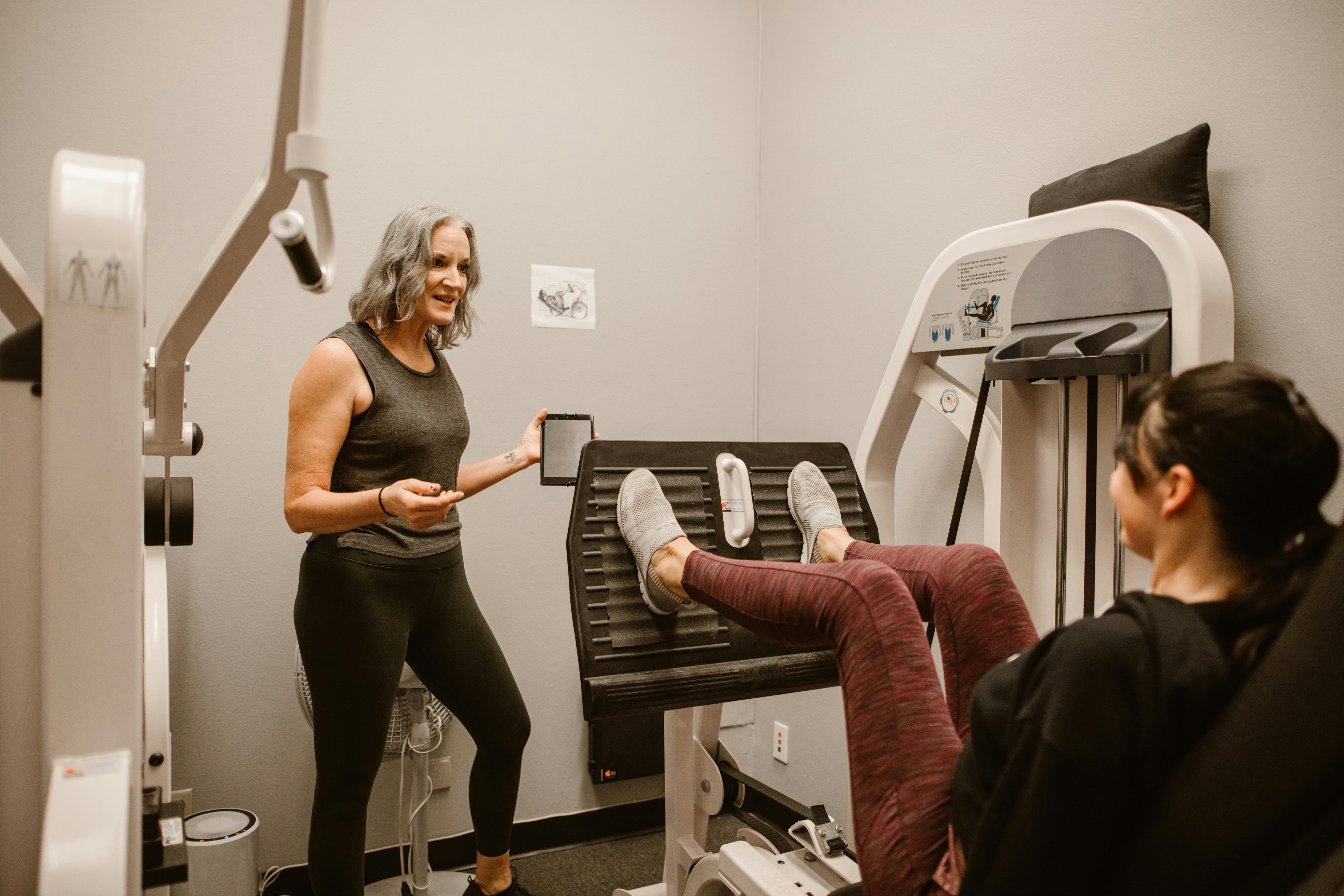
As populations age, the focus of fitness is shifting from aesthetics to longevity. In 2025, strength training is the cornerstone of healthy aging, with programs designed to preserve muscle mass, prevent falls, and support cognitive function.
Why It Matters:
- After age 30, people naturally lose 3–8% of muscle mass per decade (Harvard Health, 2023)—a condition known as sarcopenia.
- Maintaining muscle through resistance training reduces risk of osteoporosis, frailty, and metabolic disease.
- Strength-based protocols also support neuroplasticity, emotional resilience, and independence in older adults.
Popular programs like Barbell Medicine’s "Stronger As We Age", SilverSneakers Strength, and the WHO’s Active Aging Framework are integrating personalized strength routines, mobility work, and recovery tools for people aged 50+.
Even moderate strength training 2–3 times a week can yield dramatic benefits in energy, posture, and quality of life.
3. Hybrid Gyms: The Best of Both Fitness Worlds
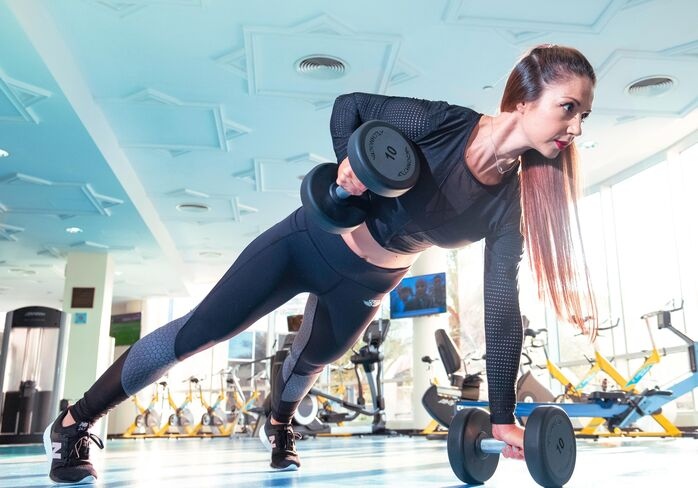
The post-pandemic era has permanently reshaped how people engage with fitness spaces. Hybrid gyms—which combine in-person workouts with virtual classes and digital platforms—are now the gold standard.
Key Elements:
- Flexible memberships that allow users to train at home, on-the-go, or in the gym.
- App-based check-ins, progress tracking, and personalized goal-setting dashboards.
- Streaming classes and live group workouts that foster community across digital and physical spaces.
Brands like Equinox+, F45 Training, and Anytime Fitness have expanded their hybrid offerings, while boutique studios are pairing wearable integration with virtual coaching and accountability groups.
According to a 2025 report by McKinsey & Company, 64% of consumers now prefer a hybrid fitness model that includes both digital and physical options (McKinsey, 2025).
Hybrid gyms promote consistency by meeting users wherever they are—whether at home, in the office, or traveling.
Final Thoughts
The fitness innovations of 2025 reflect a broader shift toward personalized, sustainable, and long-term health. AI-powered personal trainers deliver precision coaching on demand. Strength-based aging programs help older adults stay independent and strong. Hybrid gyms offer the freedom to train anywhere, anytime.
In this new era of smart fitness, it's not just about pushing harder—it's about training smarter and aging better.
References
- MIT Technology Review. (2024). The Rise of AI in Personalized Fitness Coaching. https://www.technologyreview.com/2024/ai-fitness-report
- Harvard Health Publishing. (2023). How Strength Training Combats Aging. https://www.health.harvard.edu
- McKinsey & Company. (2025). The Future of Fitness: Digital and Hybrid Training Trends. https://www.mckinsey.com










Comments