

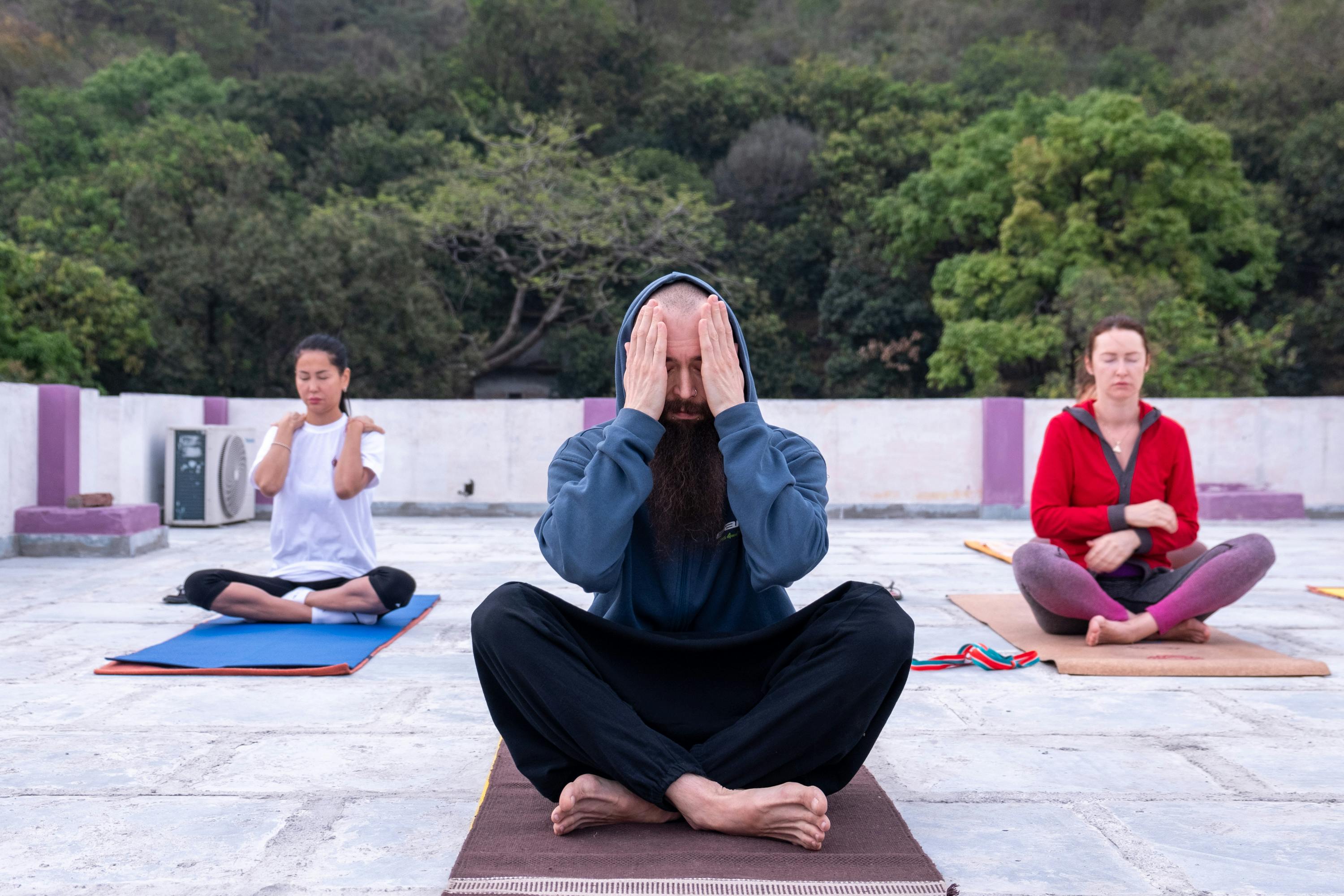
The Science of Stillness: How Mindfulness Practices Heal the Body and Mind.
Disclosure: "This article contains affiliate links. If you purchase through these links, I may earn a commission at no extra cost to you. This helps support my work. Thank you!"
Product: AGELESS Living: Unlock the Secrets to Staying Young as You Grow is an inspiring guide that delves into the timeless pursuit of vitality, wellness, and purpose at any age.
Product Link: https://amzn.to/4eos1w9
THE ARTICLE.
In a world defined by noise, speed, and constant stimulation, the ancient practice of mindfulness is gaining renewed relevance—this time backed by cutting-edge science. From lowering stress hormones to rewiring the brain, mindfulness practices such as meditation, deep breathing, and body scanning are being recognized as powerful tools for healing both the body and the mind.
This article explores the science behind stillness and how mindfulness can improve mental clarity, emotional stability, and even physical health in 2025 and beyond.
1. What Is Mindfulness? A Modern Definition of an Ancient Practice
Mindfulness is the practice of being fully present in the moment—aware of your thoughts, sensations, and surroundings without judgment. Rooted in ancient Buddhist traditions, mindfulness has evolved into a secular, science-backed approach used in medicine, psychology, and education.
Popular methods include:
- Breath awareness
- Body scan meditations
- Mindful walking or eating
- Guided meditation and loving-kindness practices
According to Dr. Jon Kabat-Zinn, creator of Mindfulness-Based Stress Reduction (MBSR), “Mindfulness is about paying attention in a particular way: on purpose, in the present moment, and non-judgmentally” (Kabat-Zinn, 1990).
2. Mindfulness and the Brain: Neuroplasticity in Action
Scientific studies using MRI and EEG technologies have shown that regular mindfulness practice can actually change the structure and function of the brain.
- Amygdala shrinkage: This region, responsible for fear and stress responses, becomes less reactive.
- Prefrontal cortex growth: Associated with decision-making, attention, and self-awareness.
- Default Mode Network (DMN) reduction: The part of the brain involved in mind-wandering and rumination becomes less active (Tang et al., 2015).
These brain changes help explain why mindfulness is linked with improved focus, emotional regulation, and reduced anxiety.
3. Healing the Body: Mindfulness and Physical Health
Mindfulness doesn't just soothe the mind—it also heals the body. Clinical research has shown that mindfulness can:
- Lower cortisol levels: Chronic stress raises this hormone, which contributes to weight gain, high blood pressure, and immune suppression.
- Reduce inflammation: Mindfulness has been shown to decrease pro-inflammatory gene expression and cytokine activity (Creswell et al., 2012).
- Improve sleep: By calming the nervous system, mindfulness helps reduce insomnia and improve sleep quality.
- Support heart health: Meditation has been linked to lower blood pressure, better heart rate variability, and reduced risk of cardiovascular disease (American Heart Association, 2017).
These benefits make mindfulness an essential part of integrative medicine and preventive healthcare in 2025.
4. Emotional Healing: A Tool for Trauma, Depression, and Anxiety
Mindfulness-based therapies are increasingly used in mental health treatment, especially for mood disorders, PTSD, and addiction recovery.
- Mindfulness-Based Cognitive Therapy (MBCT) helps prevent relapse in people with recurrent depression.
- Trauma-Sensitive Mindfulness (TSM) offers tools for survivors to gently re-engage with their bodies and emotions.
- Substance Abuse Recovery Programs now include mindfulness to improve emotional resilience and reduce relapse.
A 2023 meta-analysis in JAMA Psychiatry confirmed that mindfulness-based interventions are as effective as first-line medications for mild-to-moderate anxiety and depression (Goldberg et al., 2023).
5. Mindfulness in Daily Life: Making Stillness a Habit
You don’t need to sit in silence for hours to experience the benefits of mindfulness. Even 5–10 minutes per day can make a difference.
Simple ways to practice:
- Start your morning with 5 minutes of mindful breathing.
- Pause during your lunch break to eat slowly and without distraction.
- Use apps like Calm, Insight Timer, or Headspace for guided meditations.
- Before bed, do a body scan to relax each part of the body.
Regular practice rewires your stress response, cultivates compassion, and brings clarity in the chaos.
6. The Future of Mindfulness in Healthcare and Education
In 2025, mindfulness is being integrated into:
- Corporate wellness programs to reduce burnout and boost productivity.
- Schools to improve student focus and emotional regulation.
- Hospitals and cancer centers as part of holistic treatment for pain and recovery.
- AI-guided meditation platforms, which personalize mindfulness based on biometric feedback.
Governments and institutions are increasingly recognizing the cost-saving potential of mindfulness for public health.
Final Thoughts
The science of stillness reveals a profound truth: healing doesn’t always require doing more—it often requires being more. Through consistent mindfulness practice, individuals can transform stress into strength, pain into peace, and distraction into deep presence.
In a world that never stops moving, stillness might just be the most powerful medicine we have.
References
- Kabat-Zinn, J. (1990). Full Catastrophe Living: Using the Wisdom of Your Body and Mind to Face Stress, Pain, and Illness.
- Tang, Y. Y., et al. (2015). The neuroscience of mindfulness meditation. Nature Reviews Neuroscience, https://www.nature.com/articles/nrn3916
- Creswell, J. D., et al. (2012). Mindfulness-Based Stress Reduction training reduces loneliness and pro-inflammatory gene expression. Brain, Behavior, and Immunity, https://pubmed.ncbi.nlm.nih.gov/22569170/
- American Heart Association. (2017). Meditation and Cardiovascular Risk Reduction: A Scientific Statement. https://www.ahajournals.org/doi/10.1161/CIR.0000000000000482
- Goldberg, S. B., et al. (2023). Effectiveness of Mindfulness-Based Interventions for Anxiety and Depression: A Meta-Analysis. JAMA Psychiatry, https://jamanetwork.com/journals/jamapsychiatry/fullarticle/2801444
https://www.babacares.com/blog-details?details=744&title=The+Science+of+Stillness%3A+How+Mindfulness+Practices+Heal+the+Body+and+Mind.











Comments