

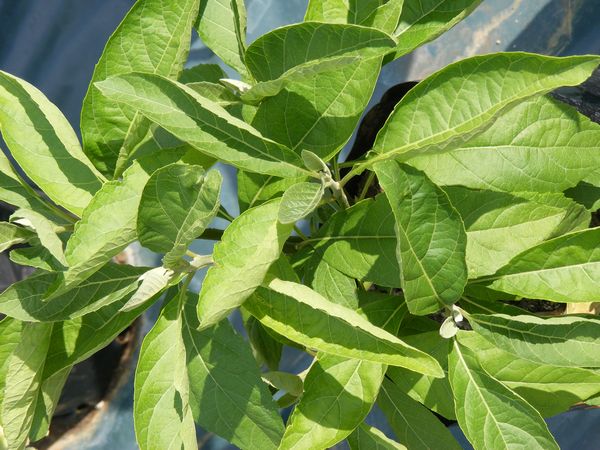
Bitter Leaf (Vernonia amygdalina): A Powerful African Superplant with Proven Health Benefits.
Disclosure: "This article contains affiliate links. If you purchase through these links, I may earn a commission at no extra cost to you. This helps support my work. Thank you!"
Product: Tripplemes Dried Bitter Leaves, 500g
Product Link: https://amzn.to/43Zre10
THE ARTICLE.
Introduction
Bitter Leaf (Vernonia amygdalina) is a potent medicinal plant native to tropical Africa and widely used in African traditional medicine. Known for its distinctly bitter taste, it is not only a common ingredient in soups and stews but also a natural remedy for a wide range of health issues—from diabetes and malaria to digestive disorders and inflammation.
This article explores the scientifically backed health benefits of Bitter Leaf, its active compounds, traditional and modern uses, and how to incorporate it into your diet for optimal wellness.
What Is Bitter Leaf?
- Botanical Name: Vernonia amygdalina
- Common Names: Bitter Leaf, Ewuro (Yoruba), Onugbu (Igbo), Shuwaka (Hausa)
- Plant Type: Shrub or small tree
- Used Parts: Leaves, roots, and bark
The bitter taste is due to phytochemicals that have powerful therapeutic properties.
Active Compounds in Bitter Leaf
Bitter Leaf is rich in bioactive substances, including:
- Vernodalin, Vernolide & Vernodalol – powerful anticancer and anti-parasitic compounds
- Flavonoids & Alkaloids – antioxidants and anti-inflammatory agents
- Saponins & Tannins – help in detoxification and immune modulation
- Vitamins & Minerals – A, C, E, B-complex, iron, potassium, calcium, zinc
Top Health Benefits of Bitter Leaf (With Scientific Evidence)
1. 💉 Helps Manage Diabetes
Bitter Leaf has been shown to lower blood sugar levels and improve insulin sensitivity.
- Study: Research in Journal of Ethnopharmacology (2010) demonstrated that Bitter Leaf extract significantly reduced blood glucose levels in diabetic rats [1].
2. ⚔️ Fights Malaria and Parasites
Traditionally used to treat malaria, worms, and fevers, Bitter Leaf has proven anti-parasitic effects.
- Study: A 2014 study confirmed that Bitter Leaf contains compounds that inhibit the growth of Plasmodium falciparum, the malaria-causing parasite [2].
3. 💪 Boosts Immunity and Detoxification
Its high antioxidant content helps fight oxidative stress and boosts the immune system.
- Flavonoids and phenolics scavenge free radicals and reduce cellular damage.
4. 🌿 Anti-Cancer Properties
Some studies indicate Bitter Leaf may suppress tumor growth and protect DNA from mutations.
- Lab Evidence: Vernodalin and related sesquiterpene lactones have shown anticancer activity in breast and prostate cancer cell lines [3].
5. 🧠 Supports Brain and Nervous System
Bitter Leaf is neuroprotective, helping prevent memory loss and age-related cognitive decline.
- Reason: Its antioxidant and anti-inflammatory properties protect neurons from damage.
6. 🧻 Improves Digestion and Gut Health
Bitter Leaf enhances bile secretion and liver function, helping in fat digestion and toxin elimination.
- Traditional use: Often used to treat stomach ache, indigestion, and dysentery.
7. ❤️ Promotes Cardiovascular Health
It helps regulate cholesterol levels, reduce blood pressure, and improve circulation.
- Mechanism: Through vasodilation and antioxidant action, Bitter Leaf protects arteries from damage.
How to Use Bitter Leaf
1. Fresh Juice:
- Wash and squeeze the fresh leaves. Mix with water and optionally with a bit of honey or lemon to reduce bitterness.
- Take ¼–½ cup once or twice daily.
2. Bitter Leaf Soup (Ofe Onugbu):
- A traditional Igbo delicacy rich in nutrients and often cooked with ogiri, stockfish, and palm oil.
3. Dried or Powdered Form:
- Used in teas or capsules; convenient for supplementation.
4. Topical Applications:
- Used for treating skin infections, wounds, or rashes.
Precautions and Side Effects
Bitter Leaf is generally safe for most people when consumed in moderation.
- Possible Side Effects: Excessive consumption may cause nausea or diarrhea due to its strong bitter compounds.
- Not Recommended For: Pregnant women in large doses without medical advice, as its effects on pregnancy are not fully understood.
Sustainability and Cultural Value
Bitter Leaf is widely cultivated in African backyards and farms. It holds strong cultural significance in herbal medicine, traditional healing, and culinary heritage.
Conclusion
Bitter Leaf (Vernonia amygdalina) is much more than a traditional African food ingredient—it is a science-backed medicinal herb with the power to manage chronic conditions like diabetes, malaria, digestive issues, and more. Whether taken as fresh juice or cooked into soups, it remains a versatile and affordable remedy that promotes natural wellness.
By incorporating Bitter Leaf into your regular diet, you tap into centuries of African healing wisdom backed by modern science.
References
- Erukainure, O. L., et al. (2011). Hypoglycemic and antioxidant effects of Vernonia amygdalina on alloxan-induced diabetic rats. Journal of Ethnopharmacology, 133(2), 328–332. https://doi.org/10.1016/j.jep.2010.10.068
- Tona, L., et al. (2004). In vitro antiplasmodial activity of extracts from medicinal plants used in the Democratic Republic of Congo for the treatment of malaria. Journal of Ethnopharmacology, 93(1), 27–32. https://doi.org/10.1016/j.jep.2004.03.006
- Izevbigie, E. B. (2003). Discovery of water-soluble anticancer agents from a vegetable found in Benin City, Nigeria. Experimental Biology and Medicine, 228(3), 293–298. https://doi.org/10.1177/153537020322800306
https://www.babacares.com/blog-details?details=737&title=Bitter+Leaf+%28Vernonia+amygdalina%29%3A+A+Powerful+African+Superplant+with+Proven+Health+Benefits.










Comments