

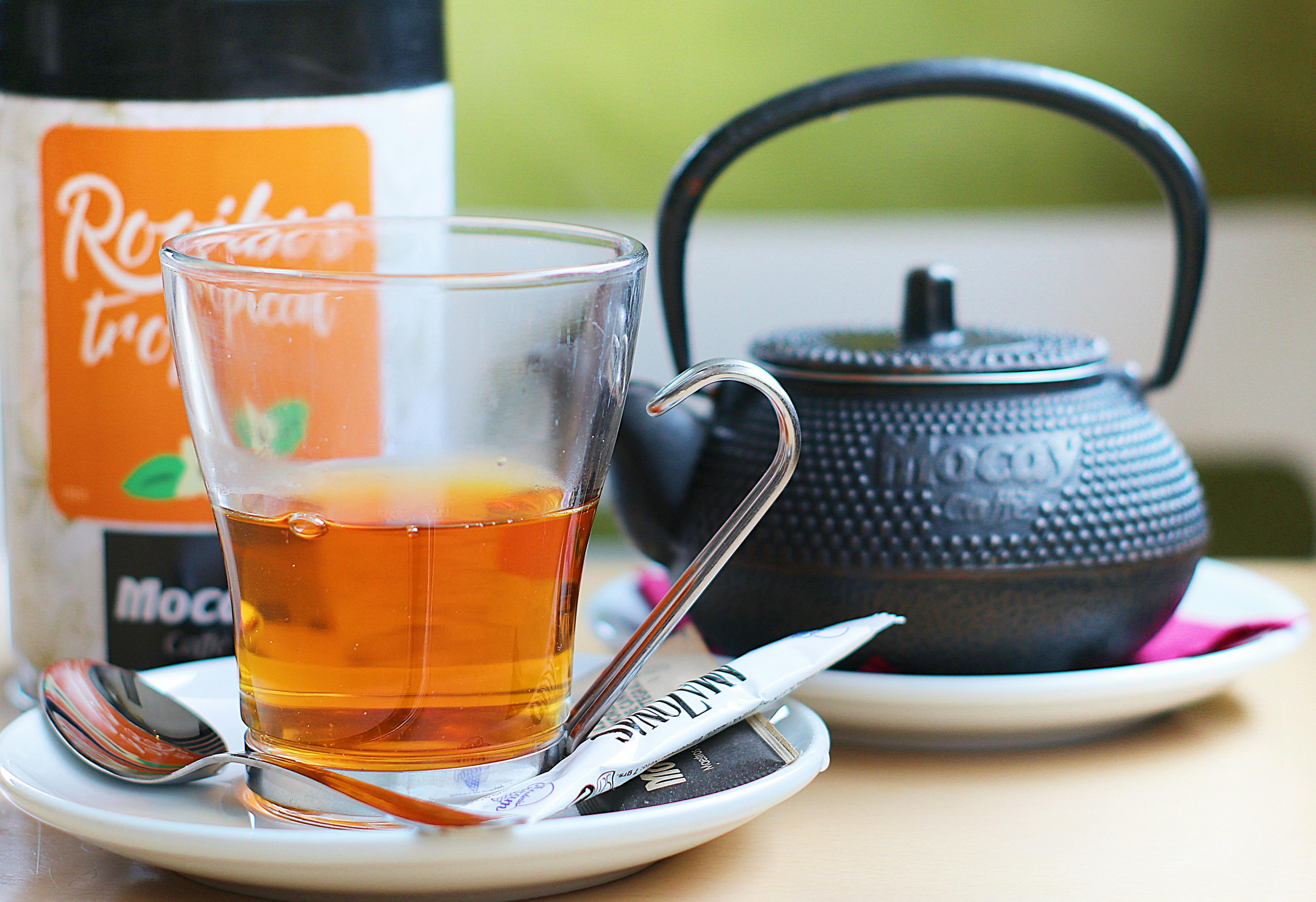
Rooibos Tea (Aspalathus linearis): The Caffeine-Free Super Tea with Powerful Health Benefits.
Introduction
Rooibos tea (Aspalathus linearis), native to the Cederberg region of South Africa, has gained global recognition as a caffeine-free herbal beverage rich in antioxidants and therapeutic compounds. Traditionally consumed by indigenous Khoisan people for its soothing effects, Rooibos is now embraced worldwide for its ability to combat inflammation, support heart health, and aid digestion—without the side effects of caffeine.
In this article, we explore the science-backed health benefits of Rooibos tea, its nutritional profile, traditional uses, and why it's becoming a popular choice for natural wellness.
What Is Rooibos?
- Botanical Name: Aspalathus linearis
- Common Names: Rooibos, Red Bush Tea
- Origin: South Africa (Cederberg Mountains)
- Types: Red Rooibos (fermented) and Green Rooibos (unfermented, higher in antioxidants)
Rooibos is naturally caffeine-free, low in tannins, and high in unique polyphenols not found in other teas.
Nutritional and Phytochemical Profile
Rooibos contains powerful compounds such as:
- Aspalathin – unique to Rooibos, supports blood sugar and heart health
- Nothofagin – antioxidant and anti-inflammatory
- Flavonoids – including quercetin, luteolin, and rutin
- Minerals – magnesium, calcium, manganese, and zinc
These contribute to its growing reputation as a super tea for longevity and disease prevention.
Proven Health Benefits of Rooibos Tea
1. ❤️ Supports Heart Health
Rooibos tea may improve blood pressure and circulation, reduce cholesterol, and protect heart cells from oxidative stress.
- Study: A 2011 study in the Journal of Ethnopharmacology showed that drinking six cups of Rooibos daily for six weeks reduced LDL cholesterol and improved HDL cholesterol [1].
2. ⚡ Balances Blood Sugar Levels
Aspalathin, a unique antioxidant in Rooibos, has been shown to improve insulin resistance and glucose metabolism.
- Study: Research published in Phytomedicine (2013) indicated Rooibos may help manage type 2 diabetes and support metabolic health [2].
3. 🌿 Reduces Inflammation and Oxidative Stress
Rooibos contains high levels of polyphenols that neutralize free radicals and reduce inflammation.
- Insight: This makes it helpful for chronic inflammatory diseases like arthritis, cardiovascular disease, and certain cancers.
4. 😴 Improves Sleep and Reduces Stress
Naturally caffeine-free, Rooibos is an ideal evening tea. It also contains compounds that may lower cortisol (stress hormone) levels.
- Traditional Use: Used by South African mothers to soothe colicky babies and improve sleep.
5. ✨ Enhances Skin Health
Thanks to its antioxidant and anti-inflammatory properties, Rooibos may help reduce acne, eczema, and signs of aging.
- Topical Use: Rooibos extract is used in skincare for calming irritation and promoting skin regeneration.
How to Brew and Enjoy Rooibos
- Hot Infusion: Steep 1–2 teaspoons of Rooibos leaves or a tea bag in boiling water for 5–7 minutes.
- Cold Brew: Soak leaves in cold water for 8 hours, refrigerate and enjoy as iced tea.
- Enhance with: Lemon, honey, mint, cinnamon, or vanilla.
Bonus: Green Rooibos
Less oxidized than red Rooibos, green Rooibos retains even more antioxidants and offers a lighter, grassier flavor.
Safety and Side Effects
Rooibos is considered very safe for most people, including children and pregnant women, due to its lack of caffeine and low tannin content.
- Rare Cases: Extremely high consumption may affect liver enzymes in sensitive individuals [3].
Sustainability and Cultural Importance
Rooibos is a key part of South African heritage. In 2021, it became the first African product to receive Geographical Indication (GI) status in the European Union, protecting its identity and empowering local farmers [4].
Conclusion
Rooibos tea is more than a trendy caffeine-free drink—it’s a time-honored herbal infusion with profound health benefits supported by science. From enhancing heart and metabolic health to promoting restful sleep and radiant skin, Rooibos is a simple, natural way to boost wellness. Whether you prefer red or green varieties, this South African treasure is worth a place in your daily routine.
References
- Marnewick, J. L., et al. (2011). Effects of Rooibos tea consumption on oxidative stress and lipid profile in adults at risk for cardiovascular disease. Journal of Ethnopharmacology, 133(1), 46–52. https://doi.org/10.1016/j.jep.2010.08.016
- Muller, C. J. F., et al. (2013). Rooibos tea and aspalathin reduce hepatic insulin resistance in diet-induced obese rats. Phytomedicine, 20(10), 880–886. https://doi.org/10.1016/j.phymed.2013.04.004
- Stickel, F., & Schuppan, D. (2007). Herbal medicine in the treatment of liver diseases. Digestive and Liver Disease, 39(4), 293–304. https://doi.org/10.1016/j.dld.2006.11.004
- South African Rooibos Council. (2021). Rooibos gets GI status in the EU. https://sarooibos.co.za
https://www.babacares.com/blog-details?details=735&title=Rooibos+Tea+%28Aspalathus+linearis%29%3A+The+Caffeine-Free+Super+Tea+with+Powerful+Health+Benefits.






Comments