

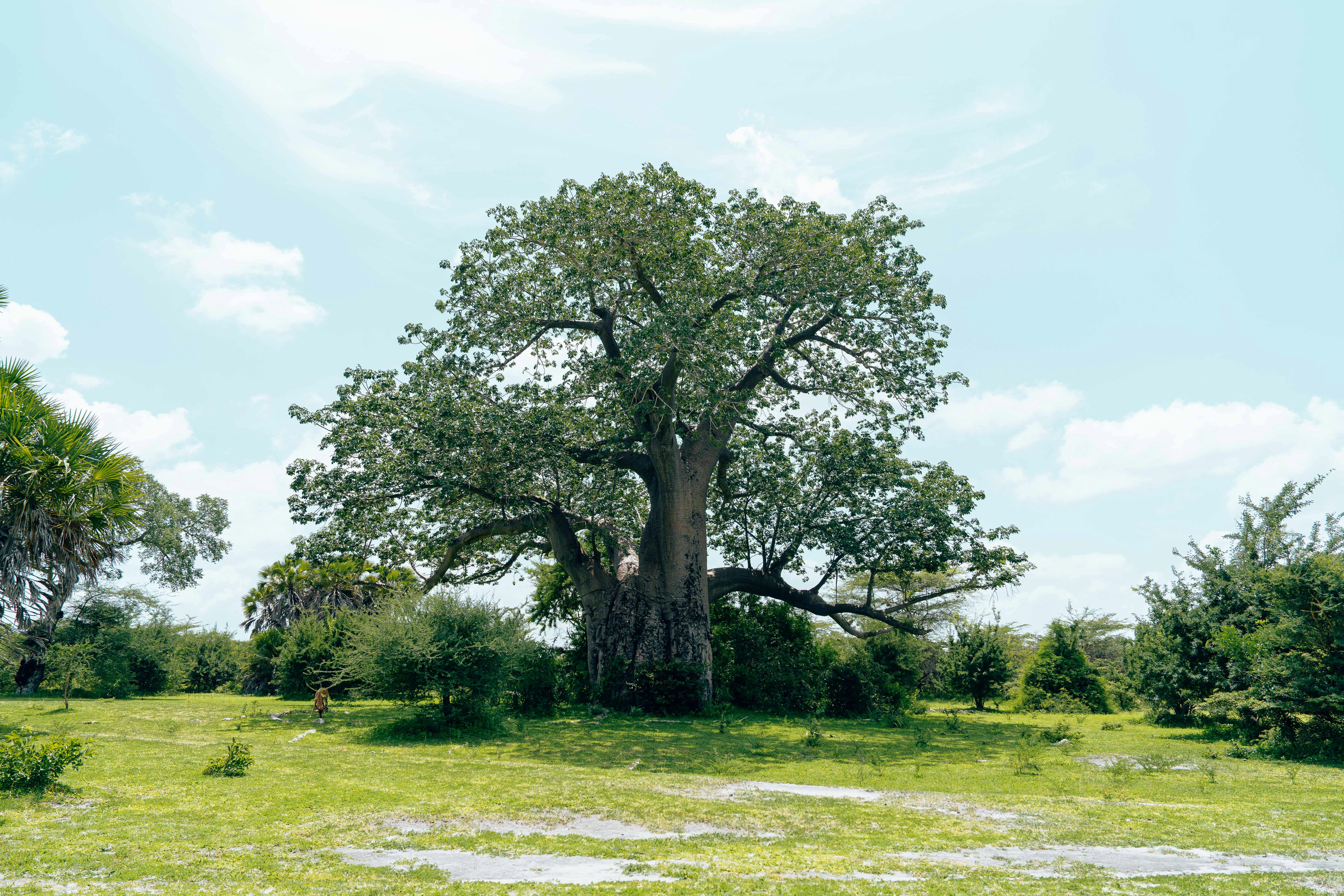
Baobab (Adansonia digitata): The African Superfruit with Powerful Health Benefits.
Introduction
Known as the "Tree of Life," the Baobab tree (Adansonia digitata) is an iconic African symbol of strength, longevity, and healing. Indigenous communities across Africa have used its fruit, leaves, bark, and seeds for centuries as natural remedies. Today, the baobab fruit is recognized globally as a nutrient-dense superfood with high levels of vitamin C, antioxidants, fiber, and essential minerals. From supporting immunity to improving digestion and skin health, Baobab is gaining popularity in health and wellness circles worldwide.
What Is Baobab?
Baobab is a majestic, long-living tree found in sub-Saharan Africa, Madagascar, and parts of Australia. It can live over 1,000 years and store up to 120,000 liters of water in its thick trunk. Every part of the tree has been used in traditional African medicine and nutrition.
- Scientific Name: Adansonia digitata
- Common Names: Baobab, Monkey Bread Tree, Cream of Tartar Tree
- Local Names: Kuka (Hausa), Ose (Yoruba), Mbuyu (Swahili)
Nutritional Profile of Baobab Fruit
Baobab fruit pulp is naturally dehydrated inside the pod and is rich in:
- Vitamin C – 6× more than oranges
- Dietary Fiber – 50% soluble and insoluble fiber
- Calcium – More than milk
- Magnesium, Potassium, Iron, and Zinc
- Antioxidants – One of the highest ORAC values of any fruit
ORAC (Oxygen Radical Absorbance Capacity) measures antioxidant power, and baobab ranks extremely high compared to other superfoods.
Health Benefits of Baobab (Backed by Research)
1. 🌿 Boosts Immune Function
The high vitamin C content (up to 300 mg/100g) supports white blood cell function and helps the body fight infections.
- Study: Research published in Frontiers in Pharmacology (2020) confirms baobab's immunomodulatory effects, especially in boosting innate immunity [1].
2. 🧠 Regulates Blood Sugar
Baobab’s soluble fiber slows glucose absorption and may help manage blood sugar spikes after meals.
- Study: A 2013 study in Nutrition Research found that baobab fruit extract reduced glycemic response in healthy subjects [2].
3. 🌿 Improves Digestive Health
Its prebiotic fiber supports healthy gut flora and promotes regular bowel movements.
- Insight: The high soluble fiber in baobab pulp feeds beneficial gut bacteria, aiding digestion and gut health.
4. 💪 Strengthens Bones
With more calcium than milk, baobab contributes to stronger bones and teeth, especially in calcium-deficient diets.
5. ✨ Supports Healthy Skin
Vitamin C aids in collagen production, reducing signs of aging and supporting skin elasticity and repair.
- Bonus: Baobab oil (from seeds) is used topically to moisturize skin and reduce inflammation.
6. ❤️ Antioxidant Protection
Baobab’s polyphenols protect cells from oxidative stress, reducing the risk of chronic diseases like cancer and heart disease.
- Comparison: Baobab has 6× the antioxidants of blueberries and 2× that of acai berries [3].
How to Use Baobab
- Powder (Fruit Pulp): Mix into smoothies, juices, yogurt, or baked goods
- Tea: Made from baobab leaves or bark
- Oil: Cold-pressed from seeds, used for skincare
- Capsules: Available as dietary supplements
Dosage Suggestion: 1–2 teaspoons of baobab powder daily for nutritional support
Safety and Side Effects
Baobab is generally safe for consumption. However:
- Introduce slowly if you're new to high-fiber foods
- Excessive intake may cause bloating or digestive discomfort
- Consult a healthcare provider if pregnant or nursing
Environmental and Cultural Significance
- Baobabs provide shelter, food, and medicine for both humans and animals.
- In many African cultures, the tree is sacred and associated with wisdom and community.
- Baobab farming supports rural economies and offers sustainable income for African women in co-operatives.
Conclusion
The Baobab tree is more than just a symbol of African resilience—it’s a nutritional powerhouse with wide-ranging health benefits. Whether you’re looking to boost immunity, improve digestion, balance blood sugar, or nourish your skin, baobab is a potent, natural solution. As more research highlights its healing potential, baobab continues to bridge ancient African wisdom with modern wellness.
References
- Nkadimeng, S. M., et al. (2020). Pharmacological properties of Adansonia digitata L. (Baobab): A review. Frontiers in Pharmacology, 11, 1–13.
- Coe, S. A., et al. (2013). The polyphenol-rich baobab fruit reduces starch digestion and glycemic response in humans. Nutrition Research, 33(11), 888–896.
- USDA ORAC Database. Baobab fruit ranks among top antioxidant-rich foods. (2010). United States Department of Agriculture.
https://www.babacares.com/blog-details?details=734&title=Baobab+%28Adansonia+digitata%29%3A+The+African+Superfruit+with+Powerful+Health+Benefits.










Comments