

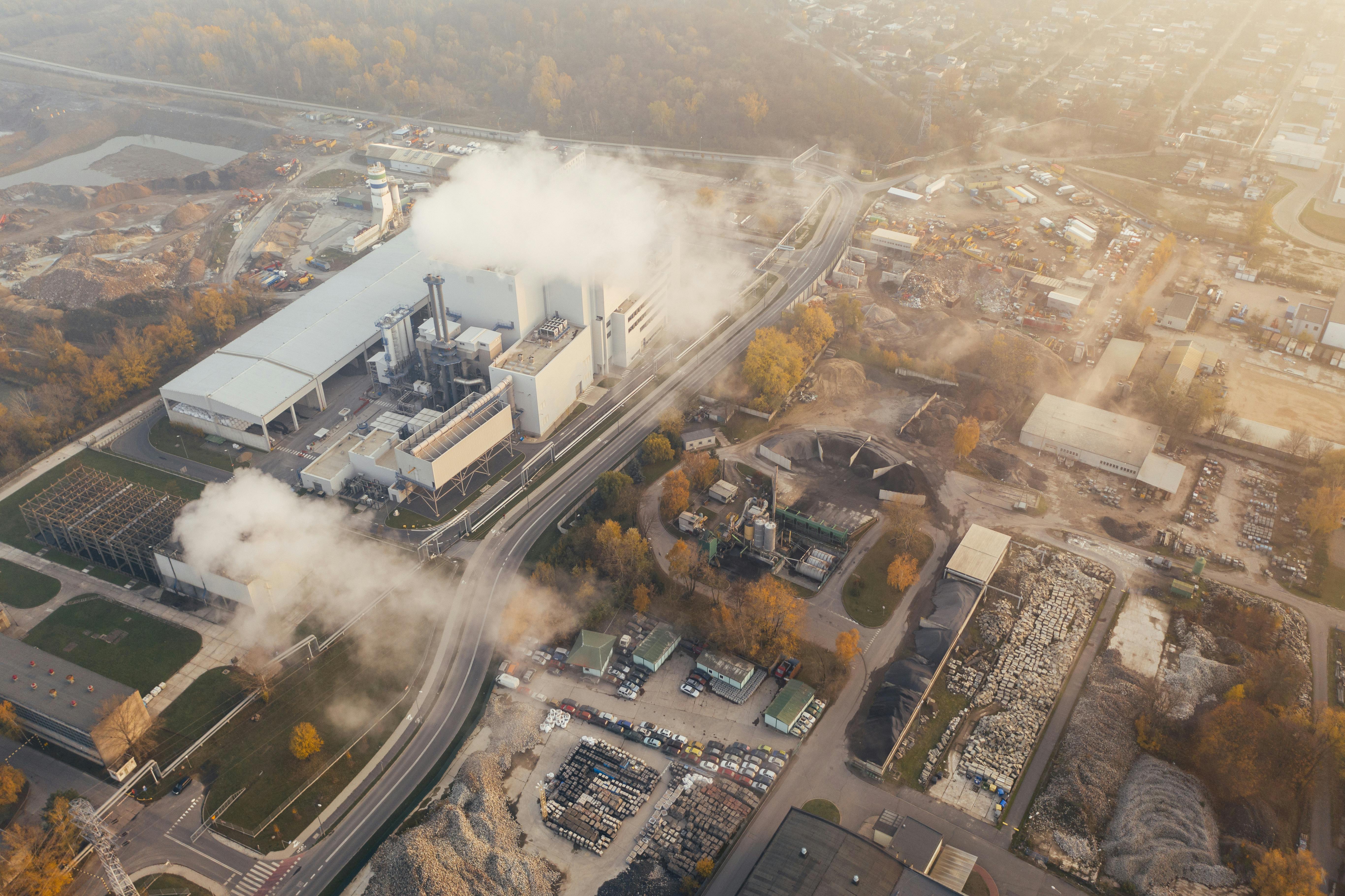
Understanding Heat-Related Illnesses, Vector-Borne Diseases, Allergies, and Air Pollution: A Growing Public Health Concern.
Introduction
Climate change and environmental factors are increasingly influencing human health worldwide. Heat-related illnesses, vector-borne diseases, allergies, and air pollution are interconnected health issues on the rise, posing serious risks to millions. This article explores each condition, their causes, symptoms, and prevention strategies, highlighting why awareness is essential for protecting your health.
1. Heat-Related Illnesses: Risks and Prevention
Rising global temperatures have made heatwaves more frequent and intense, leading to heat-related illnesses such as:
- Heat exhaustion: Symptoms include heavy sweating, weakness, dizziness, and nausea.
- Heatstroke: A medical emergency marked by confusion, loss of consciousness, and dangerously high body temperature.
- Dehydration and worsening of cardiovascular and kidney conditions.
Who Is at Risk?
Older adults, infants, people with chronic illnesses, outdoor workers, and athletes are especially vulnerable.
Prevention Tips:
- Stay hydrated and avoid excessive physical activity during peak heat hours.
- Use fans or air conditioning when possible.
- Wear lightweight, loose-fitting clothing.
Scientific Insight: The American Journal of Preventive Medicine reports that heatwaves have caused a significant increase in hospitalizations and deaths globally, emphasizing the need for public health preparedness [1].
2. Vector-Borne Diseases: Expanding Threats
Climate change has expanded the habitats of mosquitoes, ticks, and other vectors, leading to increased spread of diseases such as:
- Malaria
- Dengue fever
- Lyme disease
- Zika virus
These diseases can cause symptoms ranging from fever and rash to severe neurological complications.
Prevention Strategies:
- Use insect repellents containing DEET or picaridin.
- Wear long-sleeved clothing and pants, especially during dawn and dusk.
- Eliminate standing water where mosquitoes breed.
Research Highlight: According to the Centers for Disease Control and Prevention (CDC), the geographic range of many vector-borne diseases is expanding, necessitating enhanced surveillance and control measures [2].
3. Allergies: Increasing Prevalence and Climate Links
Allergic reactions to pollen, mold, dust mites, and other environmental triggers are on the rise, exacerbated by:
- Longer pollen seasons
- Higher pollen counts due to elevated CO2 levels
- Increased mold growth from humidity and flooding
Common Symptoms:
Sneezing, itchy eyes, runny nose, and asthma exacerbations.
Managing Allergies:
- Monitor pollen forecasts and limit outdoor activities during high pollen days.
- Keep windows closed and use air purifiers indoors.
- Consult healthcare providers for appropriate allergy medications.
Scientific Note: Research published in Environmental Health Perspectives links climate change to worsening allergy seasons and respiratory issues worldwide [3].
4. Air Pollution: The Silent Threat to Respiratory and Cardiovascular Health
Air pollution, including particulate matter (PM2.5), nitrogen dioxide, and ozone, significantly impacts health by:
- Triggering asthma and COPD attacks
- Increasing risk of heart disease and stroke
- Causing lung infections and cancer
Reducing Exposure:
- Check daily air quality indexes and avoid outdoor activities when pollution levels are high.
- Use masks (e.g., N95) during pollution spikes or wildfires.
- Support clean energy initiatives to reduce pollution sources.
Data Point: The World Health Organization (WHO) estimates that air pollution contributes to over 7 million premature deaths annually worldwide [4].
Conclusion
Heat-related illnesses, vector-borne diseases, allergies, and air pollution are interconnected public health challenges intensified by environmental changes. Understanding the risks and preventive measures can help protect your health in an increasingly changing world.
References
- American Journal of Preventive Medicine. (2018). Heatwaves and health outcomes.
- Centers for Disease Control and Prevention (CDC). Vector-borne diseases.
- Environmental Health Perspectives. (2019). Climate change and allergy prevalence.
- World Health Organization. (2021). Air pollution and health.









Comments