


10 Natural Ways to Boost Brain Health and Prevent Cognitive Decline.
Disclosure: "This article contains affiliate links. If you purchase through these links, I may earn a commission at no extra cost to you. This helps support my work. Thank you!"
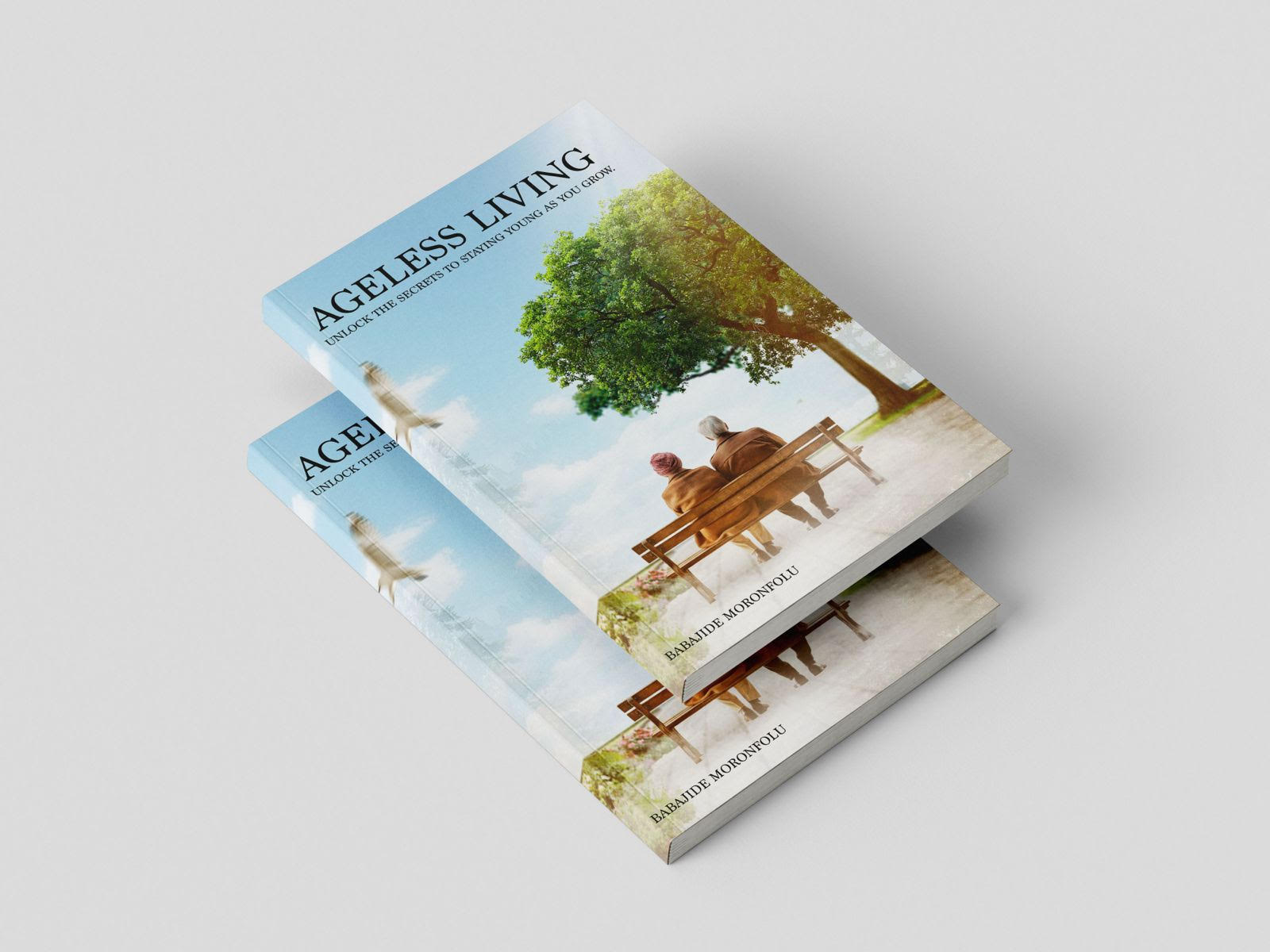
Product: AGELESS Living: Unlock the Secrets to Staying Young as You Grow is an inspiring guide that delves into the timeless pursuit of vitality, wellness, and purpose at any age.
Product Link: https://amzn.to/4kMLkkZ
Product : BOOST Original Meal Replacement Drink, Chocolate, 6x237ml,
Product Link: https://amzn.to/44csJYJ
THE ARTICLE.
1. Follow a Brain-Boosting Diet
Your brain needs the right nutrients to thrive:
- Omega-3 fatty acids (found in fish, flaxseed, and walnuts) help build cell membranes and reduce inflammation.
- Leafy greens and berries are high in antioxidants that protect neurons.
- Whole grains promote steady glucose, the brain’s main fuel.
A study from Neurology found that people who followed the MIND diet had a 53% reduced risk of Alzheimer’s disease [2].
🧘 2. Manage Chronic Stress
Long-term stress releases cortisol, which can shrink the hippocampus—the memory center of your brain.
Natural stress-reduction techniques:
- Mindfulness meditation
- Deep breathing exercises
- Journaling and gratitude practices
Research shows that just 8 weeks of mindfulness meditation can increase gray matter in the brain [3].
🏃 3. Exercise Regularly
Physical activity increases blood flow to the brain and stimulates the production of brain-derived neurotrophic factor (BDNF)—a key protein for neuron growth.
Try:
- Brisk walking
- Swimming
- Strength training
According to Harvard Health, regular exercise can improve memory and thinking skills by enhancing hippocampal volume [4].
😴 4. Prioritize Deep, Restful Sleep
During deep sleep, your brain clears waste and consolidates memories.
Tips for better sleep:
- Stick to a consistent sleep schedule
- Avoid screens 1 hour before bed
- Limit caffeine after noon
Studies have linked poor sleep to the accumulation of beta-amyloid plaques—a major factor in Alzheimer’s [5].
🧠 5. Stay Mentally Active
Just like muscles, your brain needs a workout:
- Learn a new skill or language
- Play memory and logic games (like Sudoku or chess)
- Read daily and engage in critical thinking
The NIH Cognitive Training Study showed that brain training could improve processing speed and memory even a decade later [6].
💬 6. Stay Socially Connected
Social interaction helps prevent depression and cognitive aging. Isolation, on the other hand, is a known risk factor for dementia.
Suggestions:
- Join a community group
- Call or meet friends regularly
- Volunteer for social causes
A meta-analysis in The Lancet identified social isolation as a modifiable risk factor for dementia [7].
☀️ 7. Get Enough Sunlight and Vitamin D
Vitamin D deficiency is linked to cognitive decline and depression. Your brain has receptors for this “sunshine vitamin” that affect mood and function.
- Get 15–30 minutes of sunlight daily
- Supplement during winter months if needed (with a doctor’s advice)
A study published in Neurology found that low vitamin D levels were associated with a higher risk of cognitive impairment [8].
🍄 8. Explore Natural Nootropics and Herbs
Some natural supplements show promise in supporting brain function:
- Lion’s Mane Mushroom: Enhances memory and focus
- Ginkgo Biloba: Improves blood flow and cognition
- Bacopa Monnieri: Reduces anxiety and improves memory
These should always be taken with guidance from a healthcare provider.
💧 9. Stay Hydrated
Your brain is about 75% water. Dehydration can impair concentration, memory, and mood.
- Aim for 8–10 cups of water daily
- Increase intake in hot weather or after workouts
🚭 10. Avoid Brain-Damaging Habits
- Limit alcohol intake: Excessive drinking can shrink brain tissue.
- Quit smoking: Smoking restricts blood flow to the brain.
- Minimize processed foods and added sugars.
The WHO confirms that tobacco and alcohol use are major contributors to cognitive decline [1].
🧩 Bonus: Keep Your Purpose Alive
People who live with a sense of purpose tend to have better brain function and a lower risk of dementia.
Research from Rush University found that purposeful living was associated with a 30% reduced risk of Alzheimer's disease [9].
📚 References
- WHO. (2023). Dementia Facts. https://www.who.int/news-room/fact-sheets/detail/dementia
- Morris, M. C. et al. (2015). MIND diet slows cognitive decline. Alzheimer’s & Dementia. https://doi.org/10.1016/j.jalz.2014.11.009
- Hölzel, B. K. et al. (2011). Mindfulness practice changes brain structure. Psychiatry Research.
- Harvard Health Publishing. (2021). Exercise and the brain.
- Xie, L. et al. (2013). Sleep clears brain toxins. Science.
- ACTIVE Study. National Institutes of Health (NIH).
- Livingston, G. et al. (2020). Dementia prevention, intervention, and care: 2020 report. The Lancet.
- Miller, J. W. et al. (2015). Vitamin D status and cognitive function. Neurology.
- Boyle, P. A. et al. (2010). Purpose in life and risk of Alzheimer disease. Archives of General Psychiatry.
Final Thoughts
Protecting your brain is not a one-time event—it’s a daily commitment. By making conscious, natural lifestyle changes today, you invest in a future of clarity, focus, and independence.
Start with one strategy this week, and build up gradually. Your brain will thank you for it.
https://www.babacares.com/blog-details?details=717&title=10+Natural+Ways+to+Boost+Brain+Health+and+Prevent+Cognitive+Decline.










Comments