

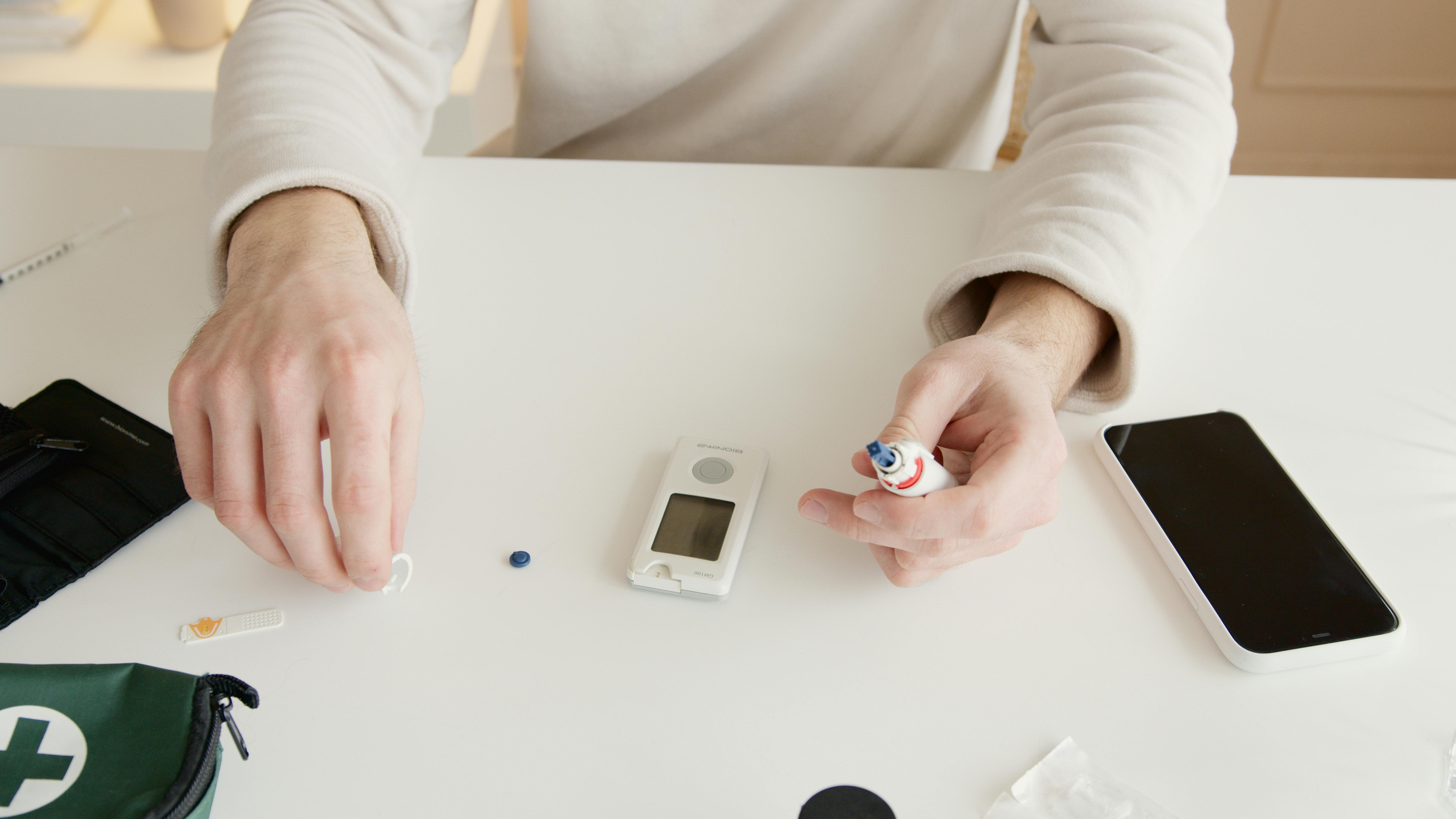
Immediate Actions to Take When Your Blood Sugar Spikes: Expert-Backed Strategies.
Disclosure: "This article contains affiliate links. If you purchase through these links, I may earn a commission at no extra cost to you. This helps support my work. Thank you!"
Product: Blood Pressure Monitor for Home Use,Wrist Blood Pressure Machine Automatic Digital LCD Display Blood Pressure Machine Adjustable Wrist Cuff 5.3-7.67" 99x2 Sets Memory with Carrying Case for Home Use
Product Link: https://amzn.to/4dR0uCY
THE ARTICLE.
Introduction
Experiencing a sudden rise in blood sugar, known as hyperglycemia, can be concerning, especially for individuals managing diabetes. Recognizing the signs and knowing the immediate steps to take can help mitigate potential complications. This article outlines expert-recommended actions to address a blood sugar spike effectively.
1. Check Your Blood Sugar Levels
Begin by measuring your blood glucose to confirm the spike. This will help determine the severity and guide subsequent actions. If levels are significantly elevated, it's essential to act promptly.
2. Administer Insulin if Prescribed
For those on insulin therapy, taking a rapid-acting insulin dose can help lower elevated blood sugar levels. Always follow your healthcare provider's guidance regarding dosage and timing. After administration, monitor your blood sugar to ensure it returns to a safe range. healthline.com
3. Engage in Physical Activity
Light to moderate exercise, such as walking, can aid in reducing blood sugar levels by increasing insulin sensitivity and promoting glucose uptake by muscles. However, if your blood sugar is above 240 mg/dL, check for ketones in your urine. If ketones are present, avoid exercise and seek medical advice. healthline.com
4. Stay Hydrated
Drinking water helps flush excess glucose from your bloodstream through urine. Aim to drink plenty of water throughout the day, especially when experiencing high blood sugar levels. gradyhealth.org
5. Monitor for Symptoms of Diabetic Ketoacidosis (DKA)
If blood sugar remains high, be vigilant for signs of DKA, a serious complication. Symptoms include:
- Shortness of breathdiabetes.org+3healthline.com+3healthline.com+3
- Fruity-scented breath
- Nausea and vomitingeatingwell.com+3healthline.com+3en.wikipedia.org+3
- Dry mouth
If you experience these symptoms, seek immediate medical attention. healthline.com
6. Avoid High-Glycemic Foods
Refrain from consuming foods high in simple sugars and refined carbohydrates, as they can exacerbate blood sugar spikes. Instead, opt for foods with a low glycemic index that release glucose slowly into the bloodstream. bswhealth.com
7. Consult Your Healthcare Provider
If you're unable to manage high blood sugar levels effectively or if spikes occur frequently, consult your doctor. They may need to adjust your treatment plan or investigate underlying causes.
Conclusion
Managing a sudden blood sugar spike involves prompt action: monitoring glucose levels, administering insulin if prescribed, engaging in appropriate physical activity, staying hydrated, and seeking medical attention when necessary. By understanding these steps and maintaining regular communication with your healthcare provider, you can effectively manage hyperglycemia and reduce the risk of complications.
https://www.babacares.com/blog-details?details=704&title=Immediate+Actions+to+Take+When+Your+Blood+Sugar+Spikes%3A+Expert-Backed+Strategies.











Comments