

10 Fish You Should Never Eat: Health Risks and Environmental Concerns.
While fish can be a nutritious part of your diet, certain species pose significant health and environmental risks. This article highlights 10 fish you should avoid, detailing the dangers they present and offering safer alternatives.smchealth.org
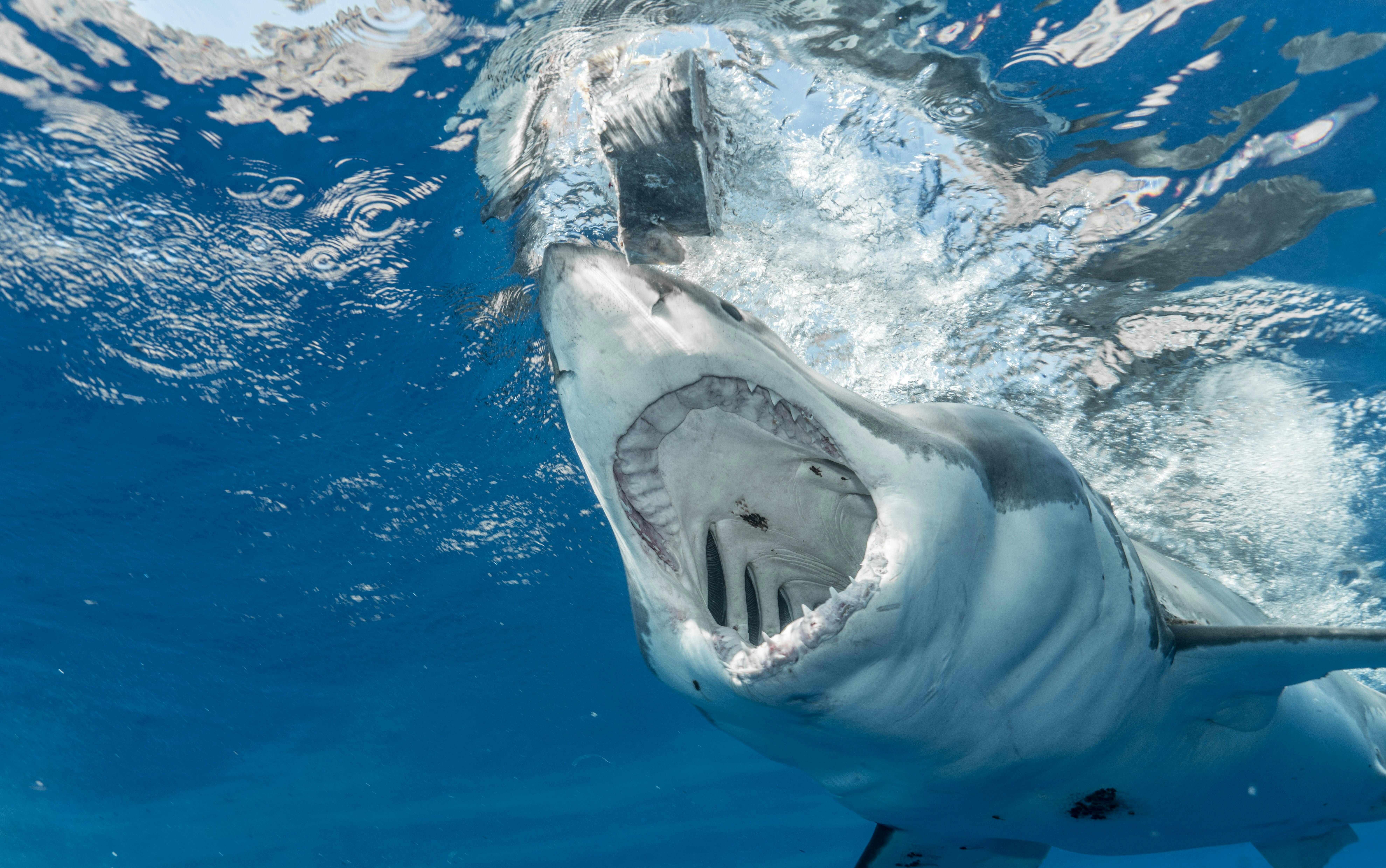
1. Shark
- Health Risks: Sharks are apex predators and accumulate high levels of mercury in their tissues. Consuming shark meat can lead to mercury poisoning, which affects the nervous system and is particularly harmful to pregnant women and young children.
- Environmental Impact: Many shark species are endangered due to overfishing and slow reproduction rates. Their decline disrupts marine ecosystems.
2. Swordfish
- Health Risks: Similar to sharks, swordfish contain elevated mercury levels, posing risks to human health.
- Environmental Impact: Swordfish populations are under pressure from overfishing, leading to concerns about their sustainability.
3. King Mackerel
- Health Risks: This fish is known to have high mercury content, which can lead to neurological issues when consumed in large quantities.bonappetit.com
- Environmental Impact: Overfishing of king mackerel can lead to population declines, affecting marine biodiversity.
4. Marlin
- Health Risks: Marlin are large fish that accumulate significant amounts of mercury, posing health risks to consumers.
- Environmental Impact: Overfishing of marlin species threatens their populations and disrupts ocean ecosystems.
5. Tilefish (Gulf of Mexico)
- Health Risks: Tilefish from the Gulf of Mexico contain high levels of mercury, which can lead to poisoning and other health issues.verywellhealth.com
- Environmental Impact: Overfishing and habitat destruction have led to declining tilefish populations.
6. Bigeye Tuna
- Health Risks: Bigeye tuna are known for their high mercury content, which can cause neurological damage when consumed frequently.
- Environmental Impact: Overfishing has significantly reduced bigeye tuna populations, leading to concerns about their sustainability.
7. Chilean Sea Bass
- Health Risks: Chilean sea bass can contain high levels of mercury and other contaminants, posing health risks to consumers.
- Environmental Impact: This species has been overfished, leading to population declines and ecosystem imbalances.
8. Atlantic Cod
- Health Risks: While not as high in mercury, Atlantic cod can contain other harmful substances due to environmental pollution.
- Environmental Impact: Overfishing has led to the collapse of Atlantic cod stocks, disrupting marine food webs.
9. Atlantic Halibut
- Health Risks: Atlantic halibut may contain contaminants like PCBs, which can accumulate in human tissues over time.
- Environmental Impact: Overfishing and slow reproduction rates have made Atlantic halibut populations vulnerable.
10. Beluga Sturgeon (Caviar)
- Health Risks: Consuming caviar from beluga sturgeon can expose individuals to harmful substances accumulated in the fish's tissues.scribd.com
- Environmental Impact: Beluga sturgeon are critically endangered due to overfishing and habitat loss, making their caviar unsustainable.
Conclusion
Avoiding these fish can help protect your health and support marine conservation efforts. Opt for sustainably sourced and low-mercury alternatives like salmon, sardines, and rainbow trout. Always check for sustainability certifications and local advisories when choosing seafood.bonappetit.com+2verywellhealth.com+2time.com+2
https://www.babacares.com/blog-details?details=697&title=10+Fish+You+Should+Never+Eat%3A+Health+Risks+and+Environmental+Concerns.








Comments