

10 Animals You Should Never Eat: Health Risks and Dangers Explained.
While many animals are consumed worldwide, certain species pose significant health risks due to their toxicity, potential disease transmission, or other dangers. Here are ten animals that should be avoided as food:
1. Fugu (Pufferfish)
Fugu contains lethal amounts of tetrodotoxin, especially in its liver, ovaries, eyes, and skin. This neurotoxin paralyzes muscles, leading to asphyxiation. There is no known antidote, and improper preparation can be fatal. en.wikipedia.org
2. Golden Poison Frog (Phyllobates terribilis)
Native to Colombia, this frog secretes batrachotoxin, one of the most potent toxins known. Even minimal contact can be deadly, making ingestion extremely hazardous. en.wikipedia.org
3. Cane Toad (Rhinella marina)
Found in various regions, the cane toad secretes bufotoxin, a substance toxic to humans and animals. Ingesting its flesh can lead to serious illness or death. en.wikipedia.org
4. Rough-Skinned Newt (Taricha granulosa)
This amphibian produces tetrodotoxin, the same deadly toxin found in pufferfish. Consumption can result in paralysis and death. en.wikipedia.org
5. Greenland Shark (Somniosus microcephalus)
Its flesh contains high levels of trimethylamine oxide, which is toxic to humans. Traditional preparation methods involve fermentation to reduce toxicity, but improper processing can lead to poisoning.
6. Zosimus aeneus (Toxic Reef Crab)
This crab species contains saxitoxin, a potent neurotoxin. Consumption has led to fatalities, particularly in regions like the Philippines. en.wikipedia.org
7. Manchineel Tree Fruit (Hippomane mancinella)
Known as the "little apple of death," every part of this tree is toxic. Ingesting its fruit can cause severe gastrointestinal issues and potentially be fatal. en.wikipedia.org
8. Cassowary (Casuarius casuarius)
While not toxic, the cassowary is one of the most dangerous birds due to its aggressive nature and powerful legs. Attempting to hunt or consume it poses significant physical risks.
9. Spur-Winged Goose (Plectropterus gambensis)
This bird feeds on blister beetles, accumulating cantharidin, a toxic compound. Eating its meat can lead to severe poisoning.
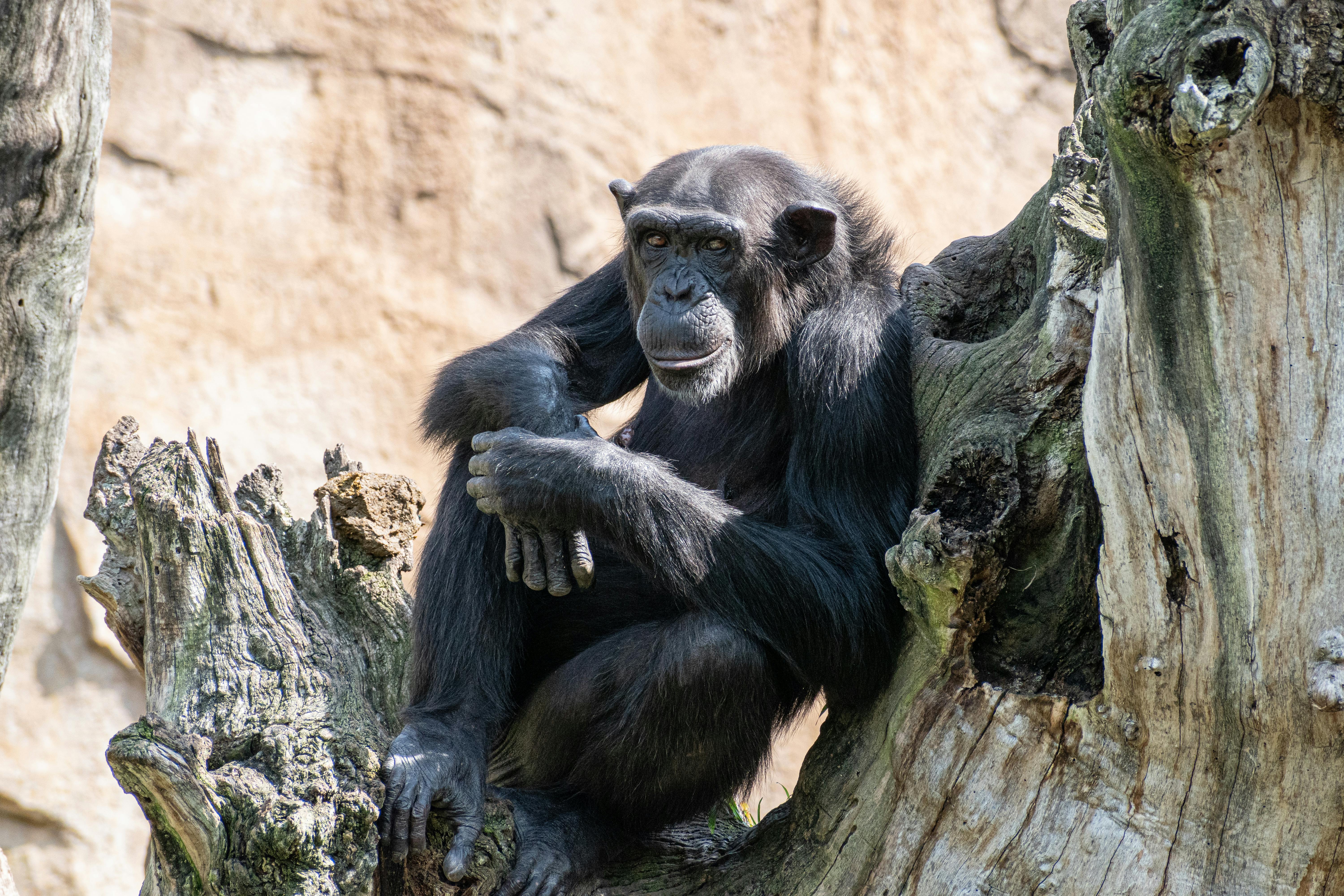
10. Chimpanzee (Pan troglodytes)
Consuming primate meat, including chimpanzees, poses a high risk of transmitting zoonotic diseases such as Ebola and HIV. Additionally, ethical and conservation concerns make it imperative to avoid consuming these animals.
Conclusion
While exploring diverse cuisines can be an enriching experience, it's crucial to be aware of the potential dangers associated with consuming certain animals. Toxicity, disease transmission, and ethical considerations are vital factors to consider to ensure both personal health and the well-being of global ecosystems.
https://www.babacares.com/blog-details?details=693&title=10+Animals+You+Should+Never+Eat%3A+Health+Risks+and+Dangers+Explained.











Comments