

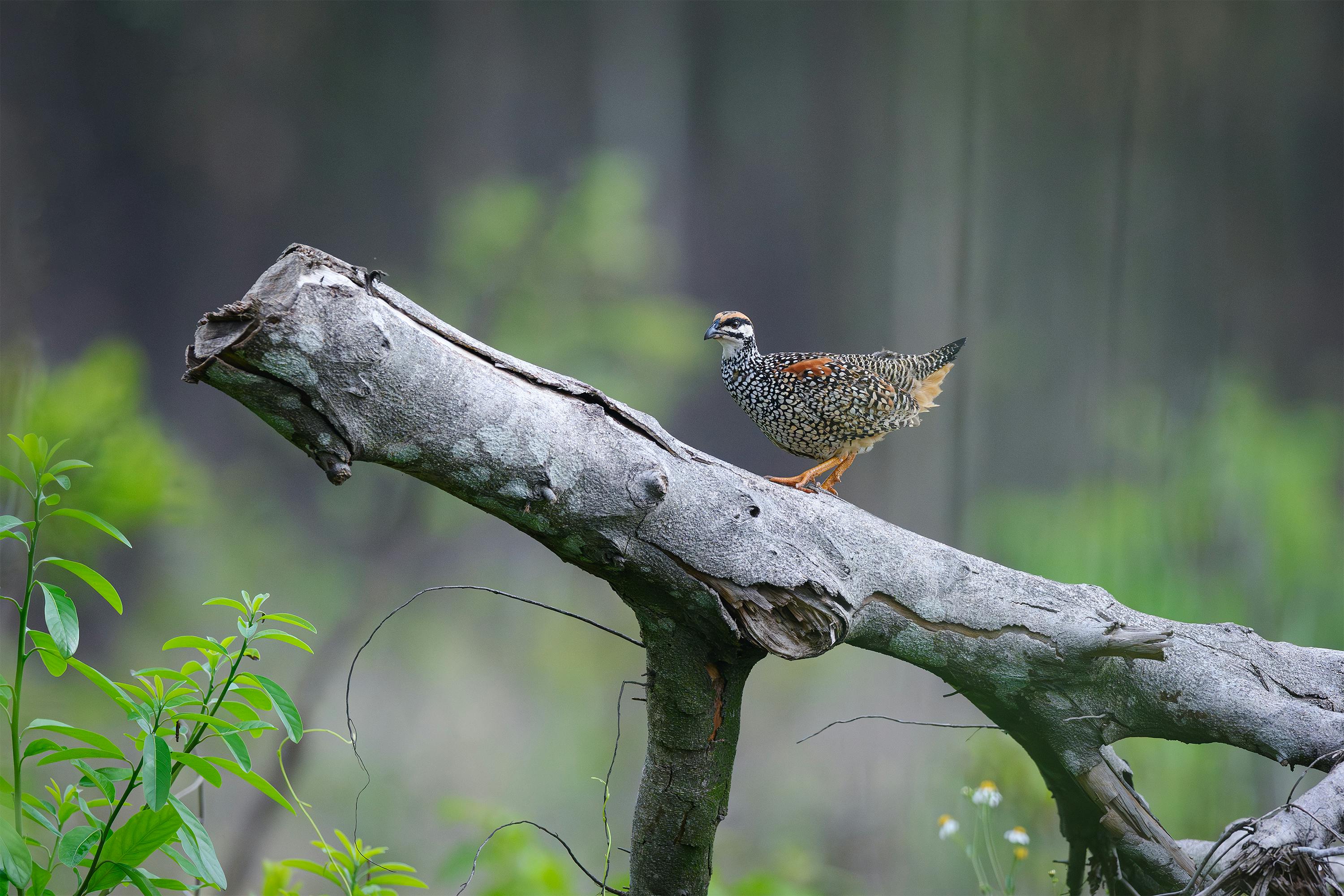
10 Birds You Should Never Eat: Health Risks and Dangers Explained.
While poultry is a staple in many diets, not all birds are safe for human consumption. Some species harbor toxins or pose health risks that can lead to severe illness or even death. This article highlights ten birds that should be avoided as food, detailing the dangers associated with each.
1. Hooded Pitohui (Pitohui dichrous)
Native to New Guinea, the Hooded Pitohui is one of the few known poisonous birds. Its skin and feathers contain batrachotoxin, a potent neurotoxin also found in poison dart frogs. Ingesting this bird can lead to numbness, burning sensations, and potentially fatal outcomes. en.wikipedia.org+3centerofthewest.org+3forbes.com+3en.wikipedia.org
2. Ifrita (Ifrita kowaldi)
Also found in New Guinea, the Ifrita accumulates batrachotoxin through its diet, making its tissues toxic. Consuming this bird can result in severe poisoning symptoms similar to those caused by the Hooded Pitohui.
3. European Quail (Coturnix coturnix)
During certain migratory periods, European Quails feed on toxic plants, leading to a condition called coturnism in humans who consume them. Symptoms include muscle breakdown, kidney failure, and even death. en.wikipedia.org+1en.wikipedia.org+1
4. Spur-Winged Goose (Plectropterus gambensis)
This African bird feeds on blister beetles, which contain cantharidin, a toxic compound. Eating the meat of a Spur-Winged Goose can lead to severe poisoning, as the toxin remains in the bird's tissues. en.wikipedia.org
5. Hoopoe (Upupa epops)
The Hoopoe is known to produce a foul-smelling secretion from its uropygial gland, deterring predators. While not directly poisonous, consuming this bird can cause gastrointestinal distress due to these secretions.
6. Bronzewing Pigeon (Phaps chalcoptera)
Found in Australia, the Bronzewing Pigeon has been reported to cause illness when consumed, possibly due to its diet of toxic seeds. Symptoms can include nausea and vomiting.
7. Red Warbler (Cardellina rubra)
This Central American bird is believed to accumulate toxins from its insect diet. While direct evidence is limited, consuming the Red Warbler is discouraged due to potential health risks. en.wikipedia.org
8. Cassowary (Casuarius casuarius)
Native to Australia and New Guinea, the Cassowary is considered one of the most dangerous birds due to its aggressive behavior and powerful kicks. While not toxic, attempting to hunt or consume this bird poses significant physical risks. en.wikipedia.org+2britannica.com+2sciencing.com+2
9. Ruffed Grouse (Bonasa umbellus)
In certain regions, Ruffed Grouse consume plants like mountain laurel, which contain toxins. Eating these birds can lead to poisoning, with symptoms ranging from nausea to more severe neurological effects. nutritionalgeography.faculty.ucdavis.edu
10. Bearded Vulture (Gypaetus barbatus)
Also known as the Lammergeier, this bird primarily feeds on bones. While not toxic, consuming its meat is discouraged due to potential contamination and its protected status in many regions.
Conclusion
While birds are a common food source worldwide, it's crucial to recognize that not all are safe to eat. Factors like diet, habitat, and physiology can render certain species hazardous for human consumption. Awareness and caution are essential to prevent health risks associated with consuming these birds.
References
- Wikipedia: Toxic bird en.wikipedia.org
- Wikipedia: Coturnism reddit.com+6en.wikipedia.org+6newyorker.com+6
- Wikipedia: Hooded pitohui en.wikipedia.org+5forbes.com+5centerofthewest.org+5
- Wikipedia: Southern cassowary britannica.com+2en.wikipedia.org+2en.wikipedia.org+2
- Wikipedia: Bearded vulture en.wikipedia.org
https://www.babacares.com/blog-details?details=692&title=10+Birds+You+Should+Never+Eat%3A+Health+Risks+and+Dangers+Explained.








Comments