

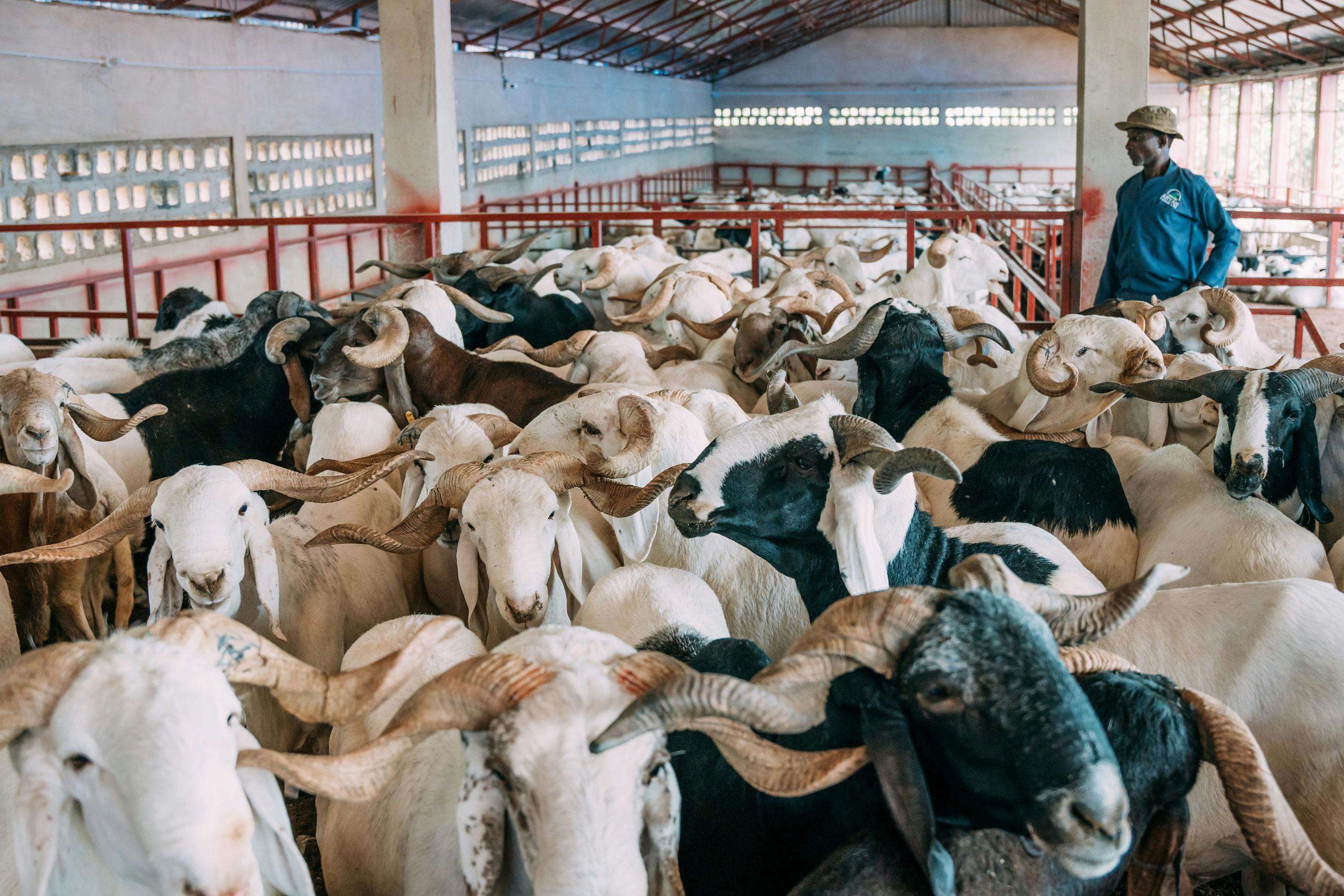
The Significance of Sacrificing Rams During Eid al-Adha: A Deep Dive into Islamic Tradition.
Eid al-Adha, known as the "Festival of Sacrifice," is one of the most significant holidays in Islam, observed by Muslims worldwide. Central to this celebration is the ritual of sacrificing livestock, particularly rams, commemorating Prophet Ibrahim's (Abraham's) unwavering obedience to Allah. This article explores the profound religious, spiritual, and communal meanings behind this sacred tradition.pulse.ng
1. Commemorating Prophet Ibrahim’s Devotion
The practice of sacrificing a ram during Eid al-Adha traces back to the Quranic narrative of Prophet Ibrahim, who was commanded by Allah to sacrifice his son, Ismail (Ishmael), as a test of faith. Demonstrating absolute submission, Ibrahim prepared to fulfill the command. However, Allah intervened, providing a ram to be sacrificed in Ismail's place. This event symbolizes the essence of devotion and obedience in Islam. en.wikipedia.org+1pulse.ng+1en.wikipedia.org
2. Understanding Qurbani (Udhiyah)
Qurbani, or Udhiyah, refers to the act of animal sacrifice performed during Eid al-Adha. This ritual is not merely a physical act but a spiritual endeavor reflecting a Muslim's willingness to part with worldly possessions in submission to Allah's will. The sacrifice is conducted following specific guidelines to ensure it aligns with Islamic principles. pulse.ng+5en.wikipedia.org+5en.wikipedia.org+5
3. Symbolism of the Ram
While various animals can be sacrificed, the ram holds particular significance. It directly represents the animal provided by Allah to replace Ismail, making it a powerful symbol of mercy and divine intervention. The choice of a ram also reflects the continuity of tradition and the emphasis on following prophetic examples.
4. Spiritual and Communal Dimensions
The act of sacrifice during Eid al-Adha serves multiple purposes:
- Spiritual Reflection: It encourages Muslims to contemplate the importance of obedience, sacrifice, and devotion in their personal lives.islamqa.info+6pulse.ng+6apnews.com+6
- Charitable Giving: The meat from the sacrificed animal is divided into three parts: one-third for the family, one-third for relatives and friends, and one-third for the needy, promoting social welfare and community bonding. teenvogue.com+2en.wikipedia.org+2muslimaid.org+2
- Community Solidarity: The collective participation in prayers and sacrifices fosters a sense of unity and shared purpose among Muslims globally.en.wikipedia.org+1apnews.com+1
5. Eid al-Adha in Nigeria
In Nigeria, Eid al-Adha, locally known as "Eid al-Kabir" or "Babbar Sallah," is celebrated with great enthusiasm. The ritual slaughtering of rams is a central activity, symbolizing faith and obedience. Communities come together to perform prayers, share meals, and distribute meat to the less fortunate, embodying the festival's core values of charity and unity. en.wikipedia.org
6. Ethical and Religious Considerations
Islamic teachings emphasize that the act of sacrifice is not about the blood or meat but about the piety and intention behind the act. The Quran states:
"It is neither their meat nor their blood that reaches Allah, but it is piety from you that reaches Him."
This underscores the importance of sincerity, ethical treatment of animals, and adherence to prescribed methods during the sacrificial process.
Conclusion
The ritual of sacrificing rams during Eid al-Adha is a profound expression of faith, obedience, and communal harmony in Islam. It serves as a reminder of the virtues of selflessness, charity, and unwavering devotion to Allah. Through this act, Muslims worldwide reaffirm their commitment to these principles, strengthening their spiritual bonds and fostering a sense of global unity.apnews.com
https://www.babacares.com/blog-details?details=686&title=The+Significance+of+Sacrificing+Rams+During+Eid+al-Adha%3A+A+Deep+Dive+into+Islamic+Tradition.







Comments