

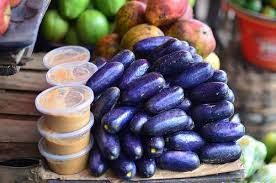
African Pear (Ube): The Seasonal Superfruit Packed with Health Benefits.
Disclosure: "Some of the links in this article are affiliate links, which means I may earn a commission if you click through and make a purchase. This comes at no additional cost to you and helps support the content I create. I only recommend products or services I genuinely believe in. Thank you for your support!"
Product: Triple Strength Glucosamine Sulfate Complex 1500mg, With Boswellia, Chondroitin, MSM and Turmeric
Product Link: https://amzn.to/4j3ADc5
THE ARTICLE.
As the African pear, locally known as Ube, comes into season, it's the perfect time to explore this nutrient-rich fruit's myriad health benefits. Scientifically referred to as Dacryodes edulis, the African pear is more than just a seasonal delicacy; it's a powerhouse of nutrition and traditional medicine.phytomania.com+5Wikipedia+5PMC+5
Nutritional Profile
African pears are dense in essential nutrients. A 100-gram serving of the fruit pulp provides approximately:Verywell Health+2Krystal Family Clinic+2healthfulwonders.com+2
- Protein: 20 grams
- Fats: 48 grams
- Dietary Fiber: 3 grams
- Carbohydrates: 15 grams
- Vitamin C: 3 grams
- Calcium: 133 milligrams
- Potassium: 65 milligrams
- Zinc: 13 milligramshealthfulwonders.com+1Krystal Family Clinic+1Krystal Family Clinic+1healthfulwonders.com+1
These nutrients contribute to the fruit's numerous health benefits. Krystal Family Clinic+1healthfulwonders.com+1
Health Benefits
1. Immune System Support
Rich in vitamin C and essential minerals, African pears act as antioxidants, strengthening the immune system and aiding in the fight against infections.
2. Heart Health
The high potassium content in African pears helps lower blood pressure and reduces the risk of stroke, contributing to overall cardiovascular health.
3. Digestive Health
Being a good source of dietary fiber, African pears aid in digestion, prevent constipation, and promote regular bowel movements.
4. Skin Health
The presence of antioxidants and vitamins in African pears promotes healthy and glowing skin, combating free radicals that cause skin aging. Health Guide
5. Bone and Tooth Strength
High levels of calcium and other minerals in African pears are essential for maintaining strong bones and teeth.
6. Anti-inflammatory Properties
African pears possess anti-inflammatory properties, which can help relieve pain associated with various conditions.
7. Diuretic and Antispasmodic Effects
They may assist the body in eliminating excess fluids and help relax muscles, reducing spasms. phytomania.com
Traditional Medicinal Uses
In traditional African medicine, various parts of the African pear tree have been utilized to treat a range of ailments:Plant Herbs+1LinkedIn+1
- Fever and Wounds: The pulped bark is applied as a wound cicatrizant and, combined with palm oil, is used topically to relieve general pains and stiffness. Punch News
- Dysentery and Diarrhea: Decoctions from the bark and leaves are traditionally used to treat dysentery and diarrhea. PMC
- Skin Diseases: The resin from the tree is applied to skin ailments, including sores and burns.
Incorporating African Pear into Your Diet
African pears can be enjoyed in various ways:
- Raw: Eaten fresh as a snack.David Omenukor Foundation
- Cooked: Boiled or roasted, often enjoyed with corn.Nigerian Health Blog
- Spread: Mashed into a buttery consistency and spread on bread.
Their rich, buttery texture and unique flavor make them a versatile addition to meals.
Conclusion
Embracing the African pear this season not only offers a delightful culinary experience but also provides a host of health benefits. From boosting immunity to supporting heart and digestive health, this superfruit is a valuable addition to a balanced diet.
Note: While African pears are generally safe for consumption, it's advisable to consult with a healthcare professional before using them for medicinal purposes, especially if you have existing health conditions or are on medication.
https://www.babacares.com/blog-details?details=654&title=%C2%A0African+Pear+%28Ube%29%3A+The+Seasonal+Superfruit+Packed+with+Health+Benefits.









Comments