

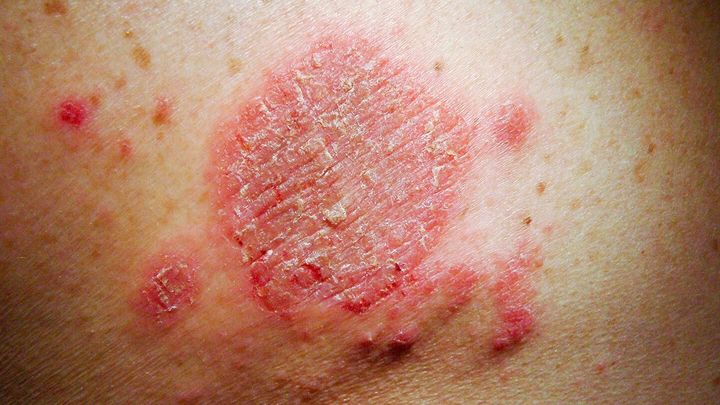
Red, Itchy, and Swollen Skin: Dietary Triggers and Effective Solutions.
Disclosure: "Some of the links in this article are affiliate links, which means I may earn a commission if you click through and make a purchase. This comes at no additional cost to you and helps support the content I create. I only recommend products or services I genuinely believe in. Thank you for your support!"
Product: Jock Itch Antifungal Cream: Natural Extra Strength Anti Itch Cream for Ringworm, with Tea Tree Oil, Aloe Vera, Lavender, Chamomile & Eucalyptus Oil - Soothing Relief for Skin Irritation
Product Link: https://amzn.to/4mkUo1B
THE ARTICLE.
Experiencing red, itchy, and swollen skin across various parts of the body can be both uncomfortable and concerning. While numerous factors can contribute to these symptoms, dietary elements are often overlooked culprits. This article delves into common food-related causes of skin reactions and offers evidence-based solutions to alleviate and prevent them.
Common Dietary Triggers of Skin Reactions
- Food Allergies
Food allergies occur when the immune system mistakenly identifies certain proteins in foods as harmful, leading to reactions such as hives, swelling, and itching. Common allergenic foods include:
- Peanuts and tree nuts
- Shellfish and fish
- Milk and dairy products
- Eggs
- Wheat
- SoyPMC+3Seattle Children’s Hospital+3drfullerallergy.com+3Wikipedia+7Healthline+7drfullerallergy.com+7
Symptoms can manifest within minutes to a few hours after consumption and may range from mild to severe. WebMD
- Histamine Intolerance
Histamine is a compound involved in immune responses, and some individuals have difficulty breaking it down due to enzyme deficiencies. This can lead to symptoms resembling allergic reactions, including skin redness, itching, and swelling. Foods high in histamine or that trigger its release include:EatingWell+1The Sun+1
- Aged cheeses
- Fermented foods (e.g., sauerkraut, yogurt)
- Cured meats
- Alcoholic beverages, especially wine
- Certain fruits like strawberries and bananasWikipedia+4Healthline+4Wikipedia+4
Managing histamine intolerance often involves dietary modifications to reduce intake of high-histamine foods. Wikipedia+5EatingWell+5The Sun+5
- Celiac Disease and Gluten Sensitivity
Celiac disease is an autoimmune disorder where ingestion of gluten leads to damage in the small intestine. A related skin condition, dermatitis herpetiformis, presents as itchy, blistering skin rashes. Gluten is found in:Cleveland Clinic
- Wheat
- Barley
- RyeDermeze+1Wikipedia+1NHS Inform+3Wikipedia+3Dermeze+3
Adhering to a strict gluten-free diet can alleviate both gastrointestinal and skin-related symptoms.
- Nickel Sensitivity
Some individuals experience systemic contact dermatitis due to dietary nickel, leading to widespread skin reactions. Foods high in nickel include:EatingWell+1Wikipedia+1
- Legumes
- Whole grains
- Chocolate
- Nutsnhs.uk+17Healthline+17Healthline+17drfullerallergy.com+4Byrdie+4The Sun+4
Identifying and limiting high-nickel foods can help manage symptoms. EatingWell+1Wikipedia+1
Effective Solutions and Preventative Measures
- Elimination Diet
Implementing an elimination diet involves removing suspected trigger foods for a period, then gradually reintroducing them while monitoring for reactions. This method can help identify specific food sensitivities. Byrdie
- Medical Consultation
Consulting with healthcare professionals, such as allergists or dermatologists, is crucial for accurate diagnosis and management. They may recommend tests like skin prick tests or blood tests to identify specific allergens.
- Medication
For immediate relief from itching and swelling, over-the-counter antihistamines can be effective. In cases of severe reactions, prescription medications or emergency interventions may be necessary.
- Topical Treatments
Applying corticosteroid creams or calamine lotion can soothe inflamed skin. For natural remedies, a baking soda paste or oatmeal bath may provide relief. UCHealth
- Dietary Adjustments
Once specific triggers are identified, modifying the diet to exclude these foods is essential. In some cases, incorporating anti-inflammatory foods and maintaining a balanced diet can improve skin health. Byrdie
Conclusion
Red, itchy, and swollen skin can often be traced back to dietary causes. By identifying and eliminating trigger foods, consulting healthcare professionals, and implementing appropriate treatments, individuals can effectively manage and prevent these uncomfortable skin reactions.
https://www.babacares.com/blog-details?details=653&title=%C2%A0Red%2C+Itchy%2C+and+Swollen+Skin%3A+Dietary+Triggers+and+Effective+Solutions.








Comments