

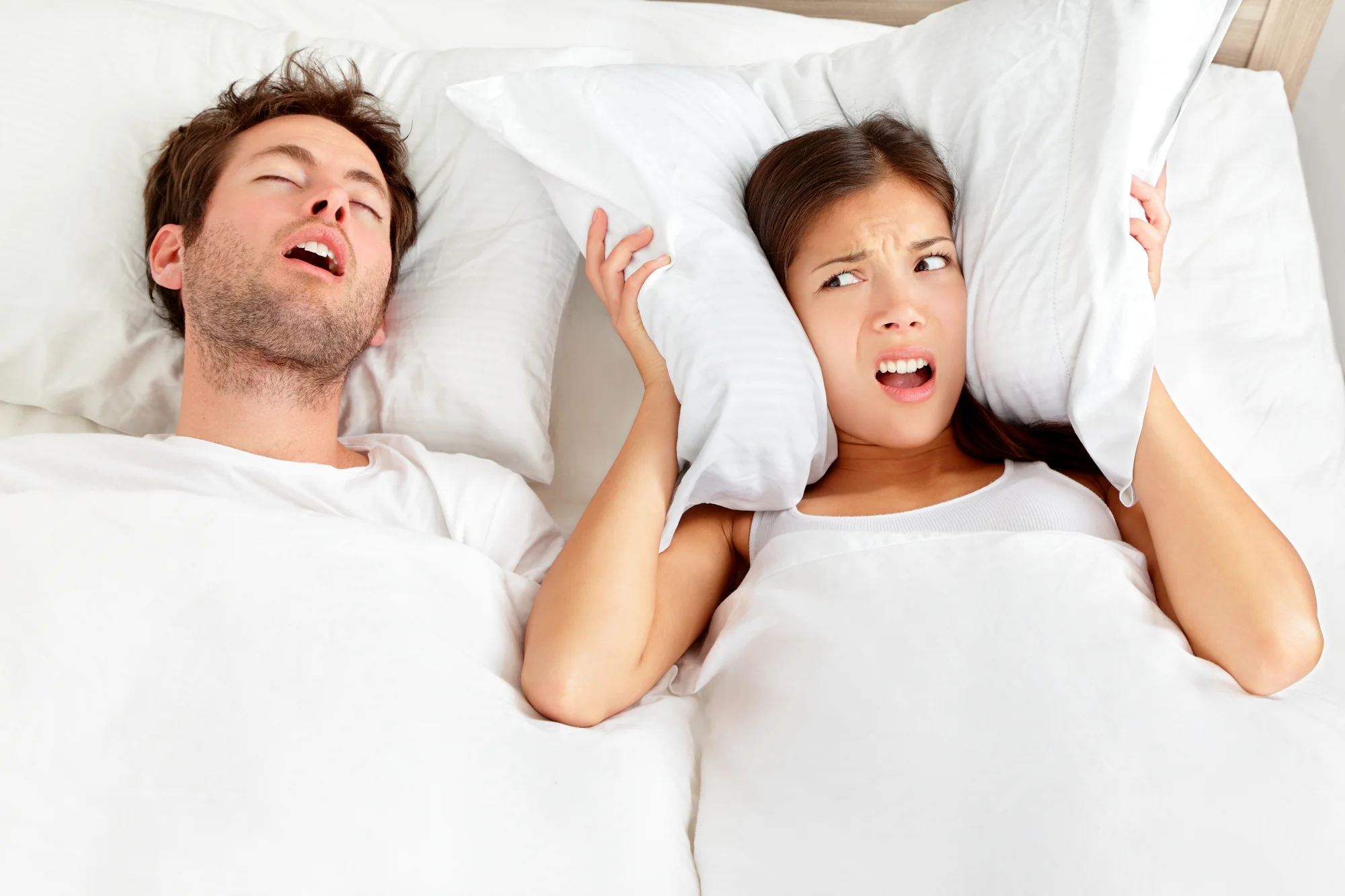
Understanding Sleep Talking (Somniloquy): Causes, Effects, and Solutions.
Disclosure: "Some of the links in this article are affiliate links, which means I may earn a commission if you click through and make a purchase. This comes at no additional cost to you and helps support the content I create. I only recommend products or services I genuinely believe in. Thank you for your support!"
Product: Nutrition Z-Matrix Recovery & Relaxtion Complex with Zinc, Magnesium Aspartate and L-Theanine - Helps Support Relaxation & Maintain Proper Muscle Function - 60 Servings
Product Link: https://amzn.to/4k63gqE
THE ARTICLE.
Sleep talking, or somniloquy, is a parasomnia characterized by speaking during sleep without awareness. It can range from simple mumbling to full conversations and is generally harmless. However, frequent or disruptive episodes may indicate underlying issues.Verywell Health+5Sleep Foundation+5Health+5Wikipedia+3Verywell Mind+3Verywell Health+3
Causes of Sleep Talking
Several factors can contribute to sleep talking:
- Stress and Anxiety: Emotional stress can trigger sleep disturbances, including talking during sleep. Health+3Verywell Health+3Sleep Foundation+3
- Sleep Deprivation: Lack of adequate sleep may increase the likelihood of parasomnias like sleep talking. Health
- Substance Use: Alcohol and certain medications, such as antidepressants, can disrupt sleep patterns and lead to sleep talking. News-Medical
- Fever and Illness: High fevers, especially in children, are associated with increased sleep talking episodes. News-Medical
- Genetics: A family history of sleep talking may increase the likelihood of experiencing it. Verywell Health
- Other Sleep Disorders: Conditions like REM sleep behavior disorder, sleepwalking, and night terrors may be linked to sleep talking. Verywell Health+1Wikipedia+1
Effects of Sleep Talking
While often benign, sleep talking can have certain implications:SELF+1Verywell Mind+1
- Sleep Disruption: Frequent episodes may disturb the sleep of bed partners or roommates. Healthline
- Embarrassment or Anxiety: Individuals may feel self-conscious, especially if the content is inappropriate or emotional.
- Indicator of Underlying Conditions: Persistent sleep talking might signal other sleep disorders or health issues.
Nutritional Solutions
Diet plays a role in sleep quality and may influence sleep talking:
- Limit Stimulants: Avoid caffeine and nicotine, especially in the evening, as they can disrupt sleep.
- Avoid Heavy Meals Before Bed: Large or spicy meals close to bedtime can cause discomfort and affect sleep.
- Maintain a Balanced Diet: Nutrients like magnesium and vitamin B6 support healthy sleep patterns. PMC
Medical and Lifestyle Solutions
Addressing sleep talking often involves improving sleep hygiene and managing stress:
- Establish a Regular Sleep Schedule: Consistent sleep and wake times help regulate the body's internal clock.
- Create a Restful Environment: Ensure the bedroom is quiet, dark, and comfortable.
- Manage Stress: Techniques such as meditation, deep breathing, or counseling can reduce stress-related sleep disturbances. Medical News Today
- Consult a Healthcare Provider: If sleep talking is frequent, severe, or accompanied by other symptoms, seeking medical advice is recommended. Verywell Mind
Conclusion
Sleep talking is a common phenomenon that is typically harmless. However, if it becomes frequent or disruptive, it may be beneficial to evaluate lifestyle factors, dietary habits, and consult with a healthcare professional to rule out underlying conditions.Verywell Mind+3Wikipedia+3Verywell Health+3
https://www.babacares.com/blog-details?details=650&title=Understanding+Sleep+Talking+%28Somniloquy%29%3A+Causes%2C+Effects%2C+and+Solutions.











Comments