

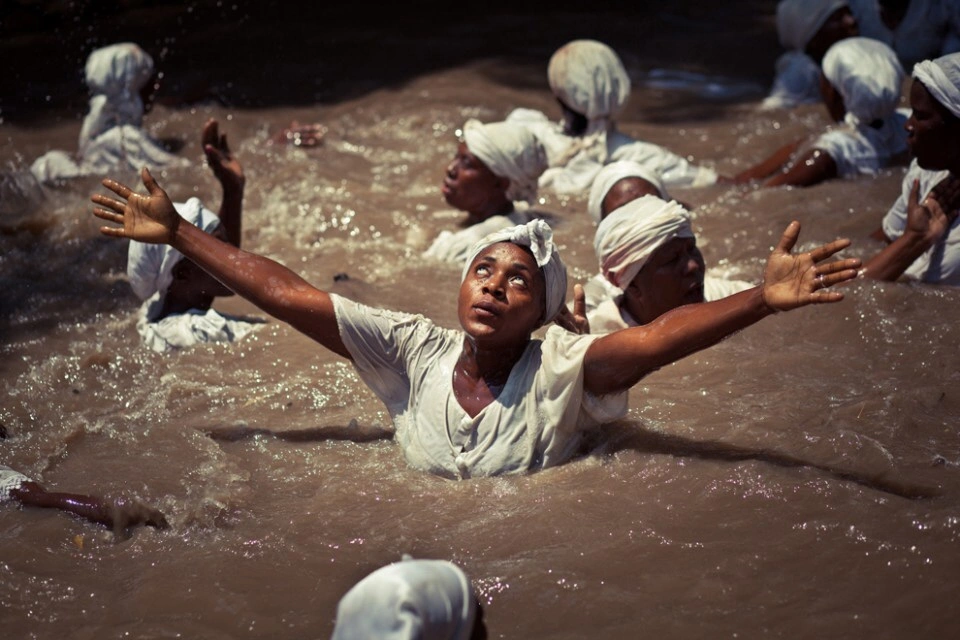
Exploring the Spiritual Interpretations of Sleepwalking in African Cultures.
Disclosure: "Some of the links in this article are affiliate links, which means I may earn a commission if you click through and make a purchase. This comes at no additional cost to you and helps support the content I create. I only recommend products or services I genuinely believe in. Thank you for your support!"
Product: (2 Pack) Melatonin Gummies | Natural Sleep Aid Supplement Drug-Free | 120 Sleep Gummies | 2.5mg, 5mg or 10mg Dose | Sleeping Pills Substitute | Vegan & Non-GMO | Natural Berry Flavour
Product Link: https://amzn.to/44BnIdX
THE ARTICLE.
Sleepwalking, medically known as somnambulism, is typically understood in Western medicine as a parasomnia—a disorder involving undesired events during sleep. However, in various African cultures, sleepwalking is often interpreted through a spiritual lens, reflecting deep-seated beliefs about the interconnectedness of the physical and spiritual realms.
Spiritual Perspectives on Sleepwalking
In many African societies, sleepwalking is not merely a medical anomaly but is seen as a manifestation of spiritual activity. For instance, among the Yoruba people of Nigeria, a condition known as ogun oru is described as a nocturnal disturbance attributed to spiritual forces. This condition is characterized by episodes believed to result from conflicts between one's earthly and spiritual spouses, or from spiritual attacks during dreams .PubMed
Such interpretations are rooted in the broader African worldview, where dreams and nocturnal experiences are significant. Sleepwalking, in this context, may be perceived as the soul's journey or as an indication of spiritual unrest requiring attention through traditional rituals or consultations with spiritual leaders.
Cultural Significance and Practices
African spirituality often emphasizes the role of ancestors and spirits in daily life. Sleepwalking episodes might be seen as messages from ancestors or as signs of spiritual imbalance. In response, communities may engage in specific rituals, such as offerings or cleansing ceremonies, to address the perceived spiritual causes.
Moreover, the holistic nature of African spirituality means that physical, emotional, and spiritual health are interconnected. Therefore, addressing sleepwalking may involve not only spiritual interventions but also changes in lifestyle and environment to restore balance.
Integration with Modern Understanding
While traditional interpretations provide valuable cultural context, it's essential to recognize the importance of integrating these perspectives with modern medical understanding. Sleepwalking can result from various factors, including sleep deprivation, stress, or neurological conditions. Acknowledging both spiritual and medical viewpoints allows for a more comprehensive approach to treatment and understanding.
Conclusion
The interpretation of sleepwalking within African cultures underscores the rich tapestry of beliefs that view health and behavior through both spiritual and physical lenses. Recognizing and respecting these perspectives can enhance our understanding of sleepwalking and promote culturally sensitive approaches to health and well-being.
https://www.babacares.com/blog-details?details=648&title=Exploring+the+Spiritual+Interpretations+of+Sleepwalking+in+African+Cultures.








Comments