

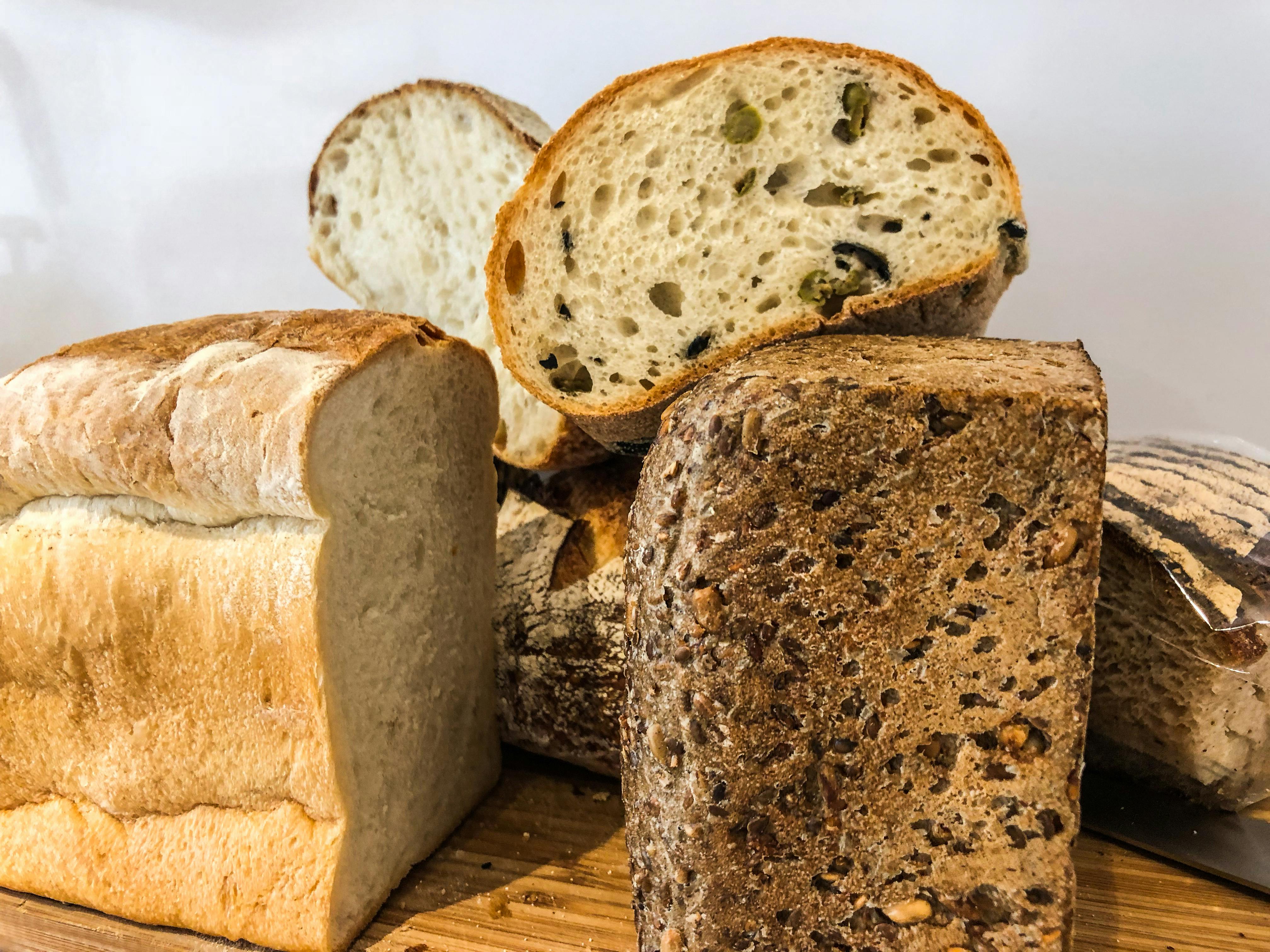
The Hidden Dangers of Modern Bread: Understanding Its Impact on Health.
Disclosure:"Some of the links in this article are affiliate links, which means I may earn a commission if you click through and make a purchase. This comes at no additional cost to you and helps support the content I create. I only recommend products or services I genuinely believe in. Thank you for your support!"
Product: Himalaya Organic Bitter Melon for Healthy Glucose Levels, 60 Caplets, USDA Certified Organic, Non-GMO, Gluten Free Supplement, 660 mg, 1 Month Supply
Product Link: https://amzn.to/3S15pr1
THE ARTICLE.
Bread has long been a staple in many cultures, symbolizing comfort and sustenance. However, modern bread differs significantly from its traditional counterparts, raising concerns about its health implications.
The Transformation of Bread Over Time
Historically, bread was made using simple ingredients and traditional fermentation methods, resulting in a nutritious product rich in fiber and beneficial bacteria. In contrast, contemporary bread often contains refined flours, added sugars, preservatives, and other additives that can negatively affect health.
Health Implications of Consuming Modern Bread
- Blood Sugar Spikes: Refined carbohydrates in bread can lead to rapid increases in blood glucose levels, prompting excessive insulin production. Over time, this may contribute to insulin resistance and type 2 diabetes.
- Nutrient Deficiencies: The refining process strips away essential nutrients and fiber, potentially leading to deficiencies and digestive issues.
- Inflammation: Additives and preservatives in processed bread may promote inflammation, which is linked to various chronic diseases, including heart disease and arthritis.
- Digestive Concerns: For individuals with gluten sensitivities or celiac disease, consuming conventional bread can cause gastrointestinal discomfort and damage to the intestinal lining.
Expert Insights
Dr. J.R. Lowery, in a 1916 article in the Texas Medical Journal, highlighted concerns about poor-quality bread contributing to pellagra, a disease characterized by dermatitis, diarrhea, and dementia.
More recently, Dr. Robert Lufkin, a physician and former professor at UCLA and USC, has discussed how modern dietary patterns, including high consumption of refined carbohydrates like bread, are linked to metabolic disorders such as obesity, type 2 diabetes, and fatty liver disease. bodyholicwithdi.com+1New York Post+1
Making Healthier Bread Choices
- Opt for Whole Grains: Choose bread made from whole grains, which retain essential nutrients and fiber.
- Check Ingredient Lists: Avoid breads with added sugars, artificial preservatives, and unfamiliar additives.
- Consider Alternative Grains: Explore breads made from alternative grains like spelt, rye, or oats, which may offer different nutritional profiles.
- Moderation is Key: Even healthier bread options should be consumed in moderation as part of a balanced diet.
Conclusion
While bread remains a beloved food item, it's essential to be aware of the differences between traditional and modern versions. By making informed choices and opting for less processed options, individuals can enjoy bread while minimizing potential health risks.
Note: For personalized dietary advice, it's recommended to consult with a healthcare professional or registered dietitian.
https://www.babacares.com/blog-details?details=640&title=The+Hidden+Dangers+of+Modern+Bread%3A+Understanding+Its+Impact+on+Health.








Comments