

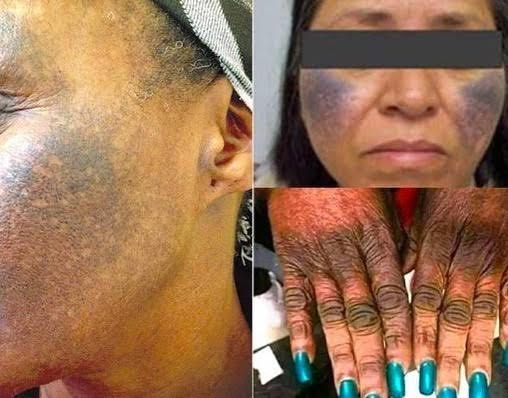
The Hidden Dangers of Skin Bleaching: Health Risks You Shouldn’t Ignore.
Disclosure: "Some of the links in this article are affiliate links, which means I may earn a commission if you click through and make a purchase. This comes at no additional cost to you and helps support the content I create. I only recommend products or services I genuinely believe in. Thank you for your support!"
Product: Organika Canadian-Made Enhanced Collagen Powder - for Healthy Hair, Skin, Nails, and Joints. Hydrolyzed Protein Peptides for Better Absorption- Grass-Fed, Non-GMO- Unflavoured- 250g
Product Link: https://amzn.to/4miG360
THE ARTICLE.
Introduction
In many parts of the world, especially across Africa, Asia, and the Caribbean, skin bleaching or skin lightening has become a popular cosmetic practice. Often driven by cultural and societal pressures equating lighter skin with beauty or success, millions of people—particularly women—use skin bleaching products to alter their natural complexion. However, the pursuit of fairer skin comes at a heavy price: severe health risks, irreversible skin damage, and long-term systemic complications. In this article, we’ll explore the real dangers of bleaching, the harmful ingredients often found in these products, and safer alternatives to self-love and skincare.
1. Mercury Poisoning
One of the most dangerous ingredients found in some skin lightening creams is mercury. This toxic heavy metal can severely damage the nervous system, kidneys, and immune system. It is especially dangerous because it can accumulate in the body over time.
- Symptoms of mercury poisoning include memory loss, tremors, skin rashes, and mood swings.
- Mercury also poses risks to unborn children if used during pregnancy.
Reference: WHO. (2019). Mercury in skin lightening products. World Health Organization
2. Skin Thinning and Stretch Marks
Many bleaching creams contain high doses of corticosteroids, which are potent anti-inflammatory agents. When misused or used over a long time, they cause:
- Thinning of the skin (atrophy)
- Permanent stretch marks (striae)
- Increased risk of bruising and tearing
Prolonged use of topical steroids can also lead to steroid addiction, where the skin becomes dependent and reacts severely when the product is stopped.
Reference: Mahé A, et al. (2003). Skin diseases associated with the use of bleaching cosmetics in women from Dakar, Senegal. Br J Dermatol.
3. Increased Risk of Skin Infections and Acne
Bleached skin has a compromised barrier, making it more vulnerable to bacterial, fungal, and viral infections. People who bleach their skin often report chronic acne, uneven pigmentation, and slow wound healing due to the damage caused by harsh chemicals.
- Use of products with hydroquiReference: Dlova, N. C., et al. (2014). Skin lightening practices: An epidemiological study of So4. Hormonal Disruption and Internal Organ Damage
Some bleaching agents—like steroids and mercury—can be absorbed into the bloodstream through the skin, causing systemic effects that affect internal organs. Over time, users may experience:
- Hormonal imbalances
- Liver and kidney damage
- Suppressed adrenal gland function
This is particularly alarming for pregnant women and nursing mothers, as it may also affect their babies.
Reference: Ly, F., et al. (2007). Complications of corticosteroid use in skin bleaching practices. International Journal of Dermatology.
5. Psychological Effects and Mental Health Concerns
Beyond physical harm, skin bleaching can lead to poor self-esteem, body image disorders, and depression. The pressure to maintain lighter skin can lead users to develop a psychological dependence on bleaching creams.
- Constant comparison and dissatisfaction with one’s natural skin color can lead to anxiety and emotional distress.
Reference: Charles, C. A. D. (2003). Skin bleaching, self-hate, and Black identity in Jamaica. Journal of Black Studies.
6. Social and Legal Consequences
In some countries, the sale or importation of bleaching products containing mercury and high-dose hydroquinone is illegal due to health risks. Using these products can result in fines, legal trouble, or rejection during visa and health screenings in other countries.
Reference: U.S. FDA. (2020). FDA issues warning letters to firms for marketing unapproved skin lightening products. FDA.gov
Safer Alternatives to Skin Bleaching
Rather than exposing yourself to the harmful effects of bleaching, consider safer, natural ways to care for your skin and embrace your unique beauty:
- Use sunscreen daily to protect from UV damage.
- Eat a balanced diet rich in vitamins and antioxidants.
- Exfoliate regularly with natural products like turmeric, oatmeal, or rice powder.
- Hydrate—drink enough water to keep your skin supple and clear.
- Celebrate diversity—Your skin tone is a gift, not a flaw.
Final Thoughts: Choose Health Over Harm
While society may still project biased beauty standards, the long-term damage caused by skin bleaching is simply not worth the risk. By becoming aware of these dangers and advocating for safe and inclusive beauty practices, we can challenge harmful norms and promote self-acceptance, diversity, and health-first approaches to skincare.
Sources and References
- World Health Organization. (2019). Mercury in Skin Lightening Products - WHO
- Mahé A, Ly F, et al. (2003). Skin diseases from bleaching cosmetics. Br J Dermatol.
- FDA. (2020). FDA Warns Against Mercury-Containing Creams - FDA.gov
- Charles CAD. (2003). Skin bleaching and identity. Journal of Black Studies.
- Dlova NC et al. (2014). Skin lightening in South Africa. British Journal of Dermatology.
https://www.babacares.com/blog-details?details=639&title=The+Hidden+Dangers+of+Skin+Bleaching%3A+Health+Risks+You+Shouldn%E2%80%99t+Ignore.









Comments