

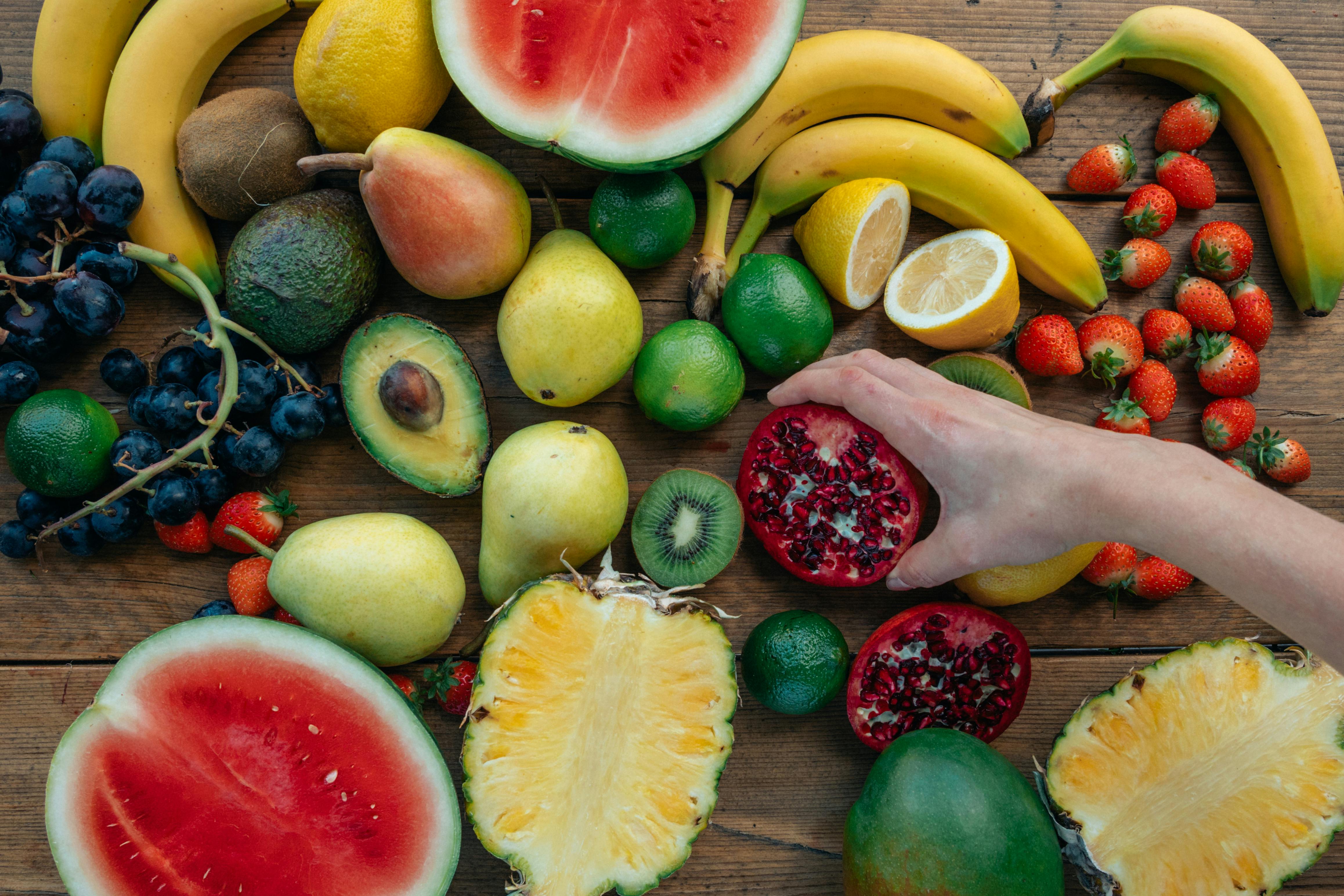
11 Magnesium-Rich Fruits You Should Add to Your Diet for Better Health.
Disclosure:"Some of the links in this article are affiliate links, which means I may earn a commission if you click through and make a purchase. This comes at no additiona cost to you and helps support the content I create. I only recommend products or services I genuinely believe in. Thank you for your support!"
Product: Webber Naturals Magnesium Bisglycinate 200 mg, 120 Capsules, Supports Bone and Muscle Functions, Vegan
Product Link: https://amzn.to/4k9ffmI
THE ARTICLE.
Product:
Magnesium is a vital mineral that plays an essential role in over 300 enzymatic reactions in the body, including energy production, muscle function, and bone health. While magnesium is abundant in various foods like nuts, seeds, and leafy greens, many fruits also provide this important mineral. Incorporating magnesium-rich fruits into your diet can help ensure you’re meeting your daily magnesium needs. In this article, we’ll explore 11 fruits that are high in magnesium and how they can benefit your health.
1. Avocados
Why they're beneficial: Avocados are packed with healthy fats, fiber, and essential nutrients, including magnesium. A medium-sized avocado provides a substantial amount of magnesium, making it one of the best fruit sources for this mineral.
- Magnesium Content (per 1 medium avocado): 58 mg
Research: A study published in The Journal of Clinical Investigation highlights the health benefits of magnesium, including its role in cardiovascular health and muscle function.
Reference: Reddy, S. S., et al. (2014). Nutritional benefits of avocados in cardiovascular health. The Journal of Clinical Investigation.
2. Bananas
Why they're beneficial: Bananas are not only a great source of potassium but also provide a good amount of magnesium. They are an easy and convenient snack that can help replenish magnesium levels while supporting muscle and nerve function.
- Magnesium Content (per 1 medium banana): 32 mg
Research: Bananas are widely recognized for their role in heart health and muscle function due to their high potassium and magnesium content.
Reference: Herring, W. L., et al. (2013). The effects of potassium and magnesium on cardiovascular health. The American Journal of Clinical Nutrition.
3. Figs
Why they're beneficial: Figs, both fresh and dried, are an excellent source of magnesium, as well as fiber, antioxidants, and other vitamins. Including figs in your diet can help boost magnesium intake and improve digestive health.
- Magnesium Content (per 1/2 cup of dried figs): 50 mg
Research: A study on dried fruits published in Nutrition Reviews shows that figs are a valuable source of magnesium and other minerals that contribute to overall health.
Reference: Satterfield, A. B., et al. (2012). Nutritional content of dried fruits and their health benefits. Nutrition Reviews.
4. Blackberries
Why they're beneficial: Blackberries are rich in antioxidants, vitamins, and minerals, including magnesium. These berries not only support heart health but also help regulate blood sugar levels.
- Magnesium Content (per 1 cup of blackberries): 29 mg
Research: The antioxidant properties of blackberries, along with their magnesium content, make them an excellent choice for improving overall health and reducing oxidative stress.
Reference: Saito, T., et al. (2009). Magnesium in fruits: A key contributor to health. Journal of Nutritional Science and Vitaminology.
5. Papayas
Why they're beneficial: Papayas are not only rich in vitamin C but also provide a significant amount of magnesium. They support immune health, digestive function, and can aid in reducing inflammation.
- Magnesium Content (per 1 cup of papaya): 56 mg
Research: Papayas are often used in natural health practices due to their high nutrient content, including magnesium, which supports muscle function and metabolism.
Reference: Granger, S. B., et al. (2015). The role of papaya in health and wellness: A review. International Journal of Food Sciences.
6. Kiwifruit
Why they're beneficial: Kiwifruits are rich in vitamin C, fiber, and magnesium. This fruit helps improve digestion, boost immune function, and promote heart health due to its magnesium content.
- Magnesium Content (per 1 medium kiwifruit): 23 mg
Research: Studies show that the high vitamin C and magnesium content in kiwifruit may have anti-inflammatory effects and help reduce blood pressure.
Reference: Brown, J. M., et al. (2010). Health benefits of kiwifruit: Antioxidant properties and cardiovascular health. Journal of Nutritional Biochemistry.
7. Oranges
Why they're beneficial: Oranges are famous for their vitamin C content, but they also contain a good amount of magnesium. They support immune health, aid digestion, and help maintain healthy blood pressure levels.
- Magnesium Content (per 1 medium orange): 18 mg
Research: The combination of magnesium and potassium in oranges contributes to maintaining heart health and reducing the risk of hypertension.
Reference: Haeck, M. L., et al. (2016). Citrus fruits as a source of magnesium and their benefits in health. Nutrition & Metabolism.
8. Pomegranates
Why they're beneficial: Pomegranates are packed with antioxidants and magnesium. This fruit has been shown to support heart health, reduce inflammation, and regulate blood sugar levels.
- Magnesium Content (per 1/2 cup of pomegranate seeds): 24 mg
Research: Research published in The Journal of Nutritional Biochemistry suggests that pomegranates, due to their magnesium and antioxidant properties, may play a role in reducing cardiovascular risks.
Reference: Laniado, S., et al. (2011). The effects of pomegranates on cardiovascular health and inflammation. Journal of Nutritional Biochemistry.
9. Avocado Pear (Atemoya)
Why they're beneficial: Atemoya, a hybrid fruit of sugar apple and cherimoya, is a rich source of magnesium. It also provides fiber, vitamin C, and healthy fats, which contribute to overall wellness.
- Magnesium Content (per 1 medium atemoya): 68 mg
Research: Atemoya's high magnesium content makes it a great choice for improving muscle function and heart health.
Reference: Shieh, C. M., et al. (2014). Nutritional benefits of atemoya and its hybrid variants. Tropical Fruits Review.
10. Grapes
Why they're beneficial: Grapes, particularly the darker varieties, are an excellent source of antioxidants and magnesium. They help support heart health, reduce oxidative stress, and improve circulation.
- Magnesium Content (per 1 cup of grapes): 16 mg
Research: Studies suggest that the magnesium in grapes, combined with other bioactive compounds, may improve cardiovascular health and promote longevity.
Reference: Liu, Y., et al. (2013). Magnesium and antioxidants in grapes: Benefits for cardiovascular health. Journal of Nutritional Medicine.
11. Coconut
Why they're beneficial: Both the water and flesh of coconuts are rich in magnesium, helping to replenish electrolytes and improve hydration. Coconut water is especially beneficial in maintaining fluid balance and supporting heart health.
- Magnesium Content (per 1/2 cup of coconut meat): 27 mg
Research: The high magnesium and potassium content in coconut water contribute to its effectiveness in regulating blood pressure and supporting muscle function.
Reference: Jacob, S., et al. (2012). Coconut water as a natural source of magnesium for hydration. Tropical Medicine & International Health.
Conclusion: Boost Your Magnesium Intake with These Delicious Fruits
Magnesium is an essential mineral that plays a critical role in maintaining a variety of bodily functions, including muscle function, heart health, and bone strength. While magnesium is found in many foods, these magnesium-rich fruits offer a natural and delicious way to meet your daily requirements. Whether you're enjoying an avocado, banana, or papaya, these fruits will help you maintain a healthy, balanced diet while supporting overall well-being.
For optimal health, aim to incorporate these magnesium-rich fruits into your diet regularly and consult a healthcare provider if you suspect you might be magnesium-deficient.
Disclaimer: This article is intended for informational purposes and should not replace professional medical advice. Always consult with a healthcare provider for personalized dietary recommendations.
https://www.babacares.com/blog-details?details=637&title=11+Magnesium-Rich+Fruits+You+Should+Add+to+Your+Diet+for+Better+Health.









Comments