

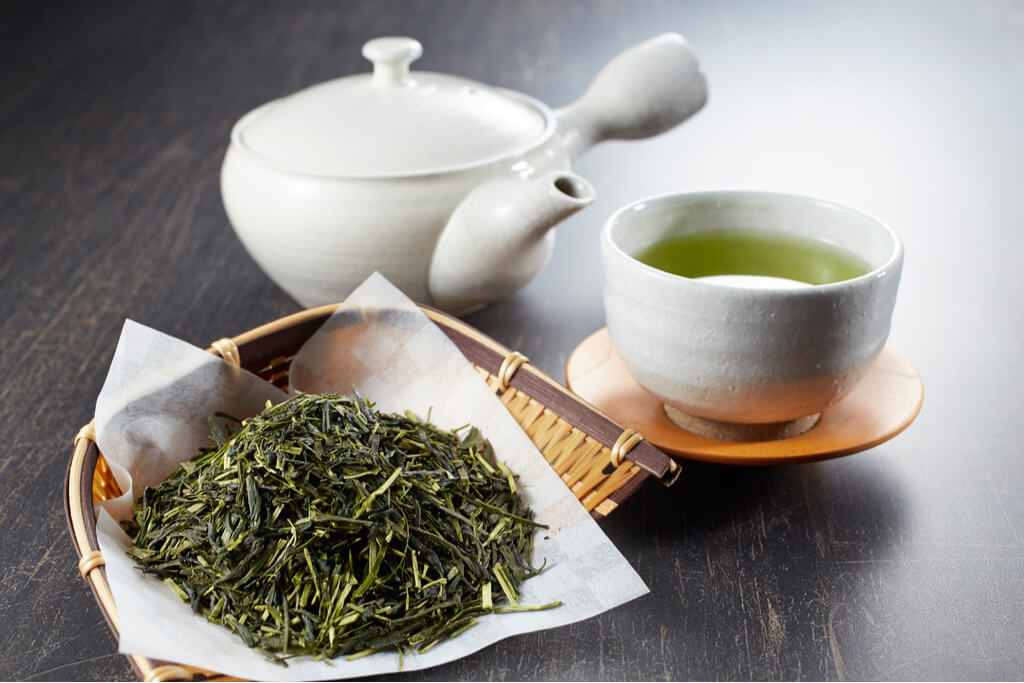
The Japanese Tea That Shrinks a Large Tummy Fast: The Secret to a Flatter Stomach (Backed by Research)
Disclosure: "This article contains affiliate links. If you purchase through these links, I may earn a commission at no extra cost to you. This helps support my work. Thank you!"
Product: Green Tea leaves Sencha, JAS Certified Organic,Japanese Uji-Kyoto, 80g Bag
Product Link: https://amzn.to/4kfMHYN
THE ARTICLE.
When it comes to weight loss and achieving a flatter stomach, people are constantly seeking natural, effective solutions. One such solution that has gained significant attention in recent years is a traditional Japanese tea known for its potential to help shrink a large tummy and improve overall health. This tea, packed with natural ingredients, has become a go-to remedy for those looking to shed belly fat quickly and healthily.
But does it actually work? In this article, we’ll explore the benefits of this tea, its key ingredients, and why it might be your secret weapon to a flatter stomach.
The Japanese Tea That Helps with Belly Fat
The tea in question is often referred to as "Matcha Green Tea" or Sencha tea. Both of these teas have been consumed for centuries in Japan for their incredible health benefits, but Matcha in particular has gained worldwide popularity due to its unique properties.
Matcha is a powdered green tea made from whole tea leaves, which means it retains all the nutrients, antioxidants, and polyphenols found in the leaf. Because of its potency, Matcha has been shown to have several effects that support weight loss, particularly belly fat reduction.
How Does Matcha Green Tea Shrink Belly Fat?
- Boosts Metabolism
Matcha is rich in catechins, a type of antioxidant known to accelerate metabolism. Research has shown that catechins can increase fat oxidation, especially during physical activity, meaning you burn more fat throughout the day. This can result in a reduced waistline over time as your body becomes more efficient at burning fat. - Promotes Fat Burning
Matcha contains EGCG (Epigallocatechin gallate), a powerful antioxidant that has been proven to promote fat burning and boost the thermogenesis process in the body. This results in a faster metabolism and an increased rate of fat breakdown, particularly around the abdominal area.
Reference: Hursel, R., et al. (2009). The effects of green tea on weight loss and weight maintenance: A meta-analysis. International Journal of Obesity.
- Regulates Blood Sugar Levels
Matcha can help regulate blood sugar levels by improving insulin sensitivity. This is important because insulin resistance can lead to excess fat accumulation around the belly. By stabilizing blood sugar, Matcha can help curb cravings and prevent the formation of fat stores in the abdominal region.
Reference: Zheng, J., et al. (2011). Green tea polyphenols and weight loss: A systematic review and meta-analysis. The American Journal of Clinical Nutrition.
- Reduces Stress-Induced Belly Fat
Stress is one of the leading causes of belly fat accumulation, as high cortisol levels can promote fat storage in the abdomen. Matcha is rich in the amino acid L-theanine, which promotes relaxation and helps reduce stress. By lowering stress levels, Matcha may help prevent stress-related fat accumulation in the stomach area.
Reference: Owen, J., et al. (2008). L-theanine and its effects on stress, mood, and cognitive performance: A review. Journal of Clinical Psychopharmacology.
Additional Benefits of Matcha Tea for Health
While Matcha is excellent for targeting belly fat, it also offers a wide range of other health benefits:
- Improved Digestion: The high fiber content in Matcha can help improve digestion, reducing bloating and discomfort, which also contributes to a flatter stomach.
- Rich in Antioxidants: Matcha is a powerful antioxidant that can help fight oxidative stress, lower inflammation, and protect cells from damage.
- Enhanced Focus and Energy: The combination of caffeine and L-theanine in Matcha provides sustained energy and improved focus without the jitteriness associated with coffee, making it an excellent alternative to sugary drinks.
How to Incorporate Japanese Tea into Your Diet
To reap the weight-loss benefits of Matcha or Sencha tea, try the following tips:
- Drink 1-2 cups daily: Start with one cup in the morning and gradually increase it to two cups per day. Drinking it after meals can also help with digestion.
- Pair with a Healthy Diet: For optimal results, complement your tea consumption with a balanced diet and regular exercise.
- Matcha Smoothies or Lattes: If you prefer something different, you can blend Matcha into a smoothie or prepare a Matcha latte as a tasty treat while still reaping its benefits.
Is There Any Scientific Evidence to Back These Claims?
Yes, there is a growing body of research supporting the idea that Matcha can aid in weight loss, especially around the abdominal area. Studies have shown that green tea extract, which contains the same active compounds found in Matcha, can significantly boost metabolism and fat burning. One notable study found that participants who consumed green tea extract burned more fat during exercise than those who didn’t.
Reference: Kuhlmann, J., et al. (2016). Effects of green tea on body composition and weight loss: A systematic review. Obesity Reviews.
Conclusion: Is Japanese Tea the Answer to Shrinking Belly Fat?
While Matcha Green Tea and other traditional Japanese teas can’t single-handedly melt away belly fat, they are a healthy addition to a weight-loss plan. The fat-burning compounds in Matcha, such as catechins and EGCG, can accelerate metabolism, reduce fat storage, and help maintain healthy blood sugar levels. When combined with a balanced diet and regular exercise, Matcha tea may be the secret weapon you need to shrink your tummy and improve overall health.
Remember, no single food or drink will magically transform your body overnight. However, incorporating healthy habits like drinking Matcha tea regularly can make a significant difference over time.
Disclaimer: Always consult a healthcare provider before making any major changes to your diet, especially if you have underlying health conditions.











Comments