

Effective Strategies for Managing Gout Arthritis Naturally and Medically.
Disclosure: "This article contains affiliate links. If you purchase through these links, I may earn a commission at no extra cost to you. This helps support my work. Thank you!"
Product: MEDISTIK Extra Strength Pain Relief Stick. Long Lasting Topical Pain Reliever for Backache, Arthritis Muscle & Joint Pain, 58g, Pack of 2
Product Link:https://amzn.to/42ZWqvf
THE ARTICLE.
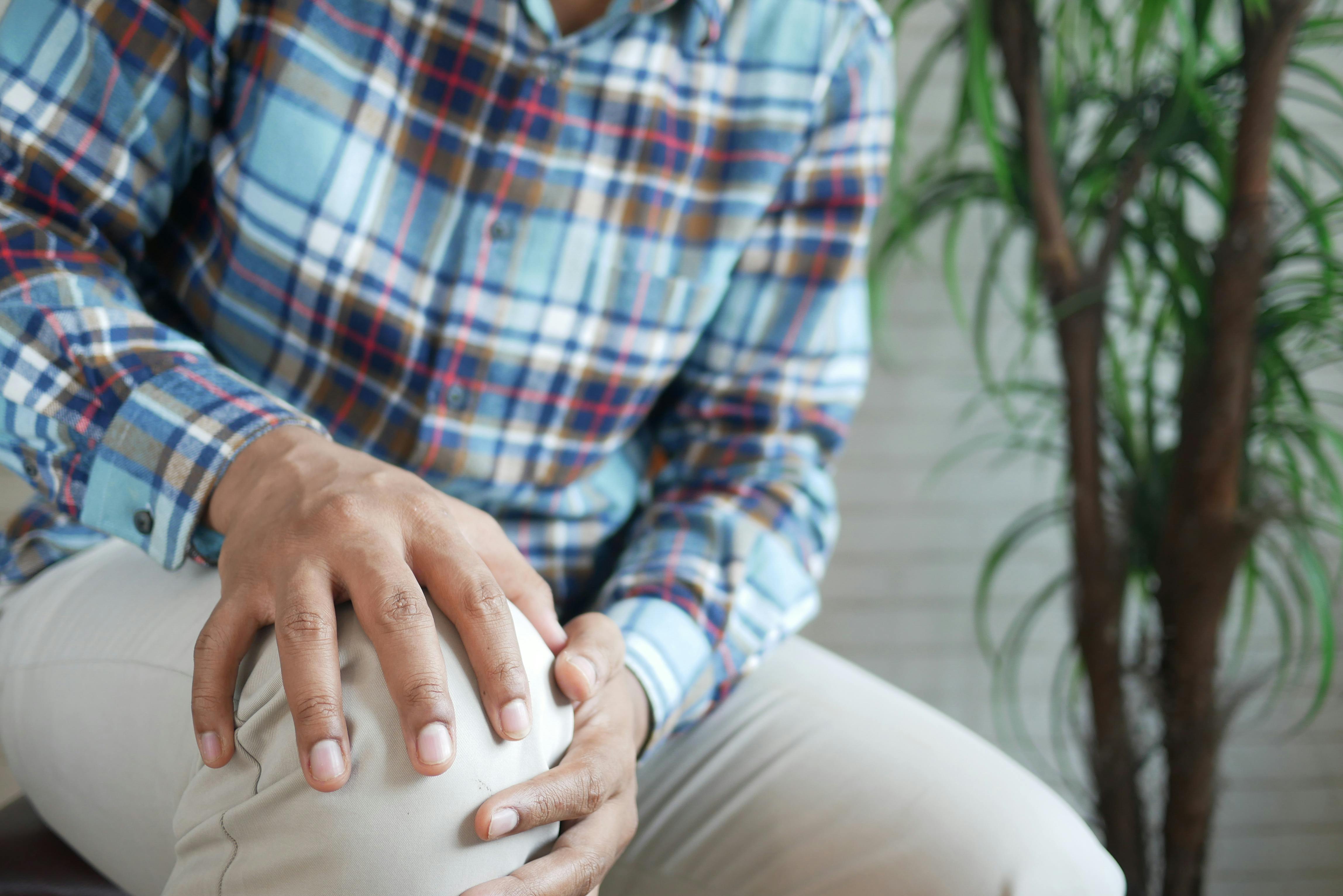
Gout arthritis is a painful and potentially debilitating form of inflammatory arthritis caused by elevated levels of uric acid in the blood, leading to crystal deposits in joints. It commonly affects the big toe but can also involve other joints such as the knees, ankles, elbows, wrists, and fingers. While gout can occur suddenly and severely, it is highly manageable with the right lifestyle changes, medications, and preventive strategies.
Understanding Gout Arthritis
Gout is characterized by sudden, intense pain, swelling, redness, and tenderness in the joints. It typically strikes at night and can last for days or weeks. According to the Centers for Disease Control and Prevention (CDC), gout affects about 8.3 million people in the United States alone [1].
Causes and Risk Factors
Gout results from hyperuricemia, a condition where uric acid builds up in the blood. The causes include:
- Diet high in purines (e.g., red meat, shellfish, sugary drinks)
- Alcohol consumption
- Obesity
- Genetics
- Medical conditions like hypertension, diabetes, and kidney disease
- Medications such as diuretics and low-dose aspirin
Symptoms of Gout Arthritis
- Severe joint pain, especially in the big toe
- Lingering discomfort
- Inflammation and redness
- Limited range of motion
Diagnosis
Doctors typically diagnose gout through:
- Joint fluid analysis (to detect urate crystals)
- Blood tests (uric acid levels)
- Imaging tests, such as X-rays and ultrasounds
Management and Treatment Strategies
1. Lifestyle and Dietary Changes
Reducing uric acid naturally can significantly lower the frequency and intensity of gout attacks.
A. Avoid High-Purine Foods
Limit intake of:
- Organ meats (liver, kidney)
- Red meat
- Seafood (anchovies, sardines, mussels)
- Sugary drinks and alcohol (especially beer)
B. Increase Fluid Intake
Drinking at least 8–10 glasses of water a day helps flush out uric acid through urine [2].
C. Choose Low-Purine Foods
Favorable options include:
- Low-fat dairy products
- Whole grains
- Fresh fruits and vegetables
- Cherries (shown to reduce gout attacks) [3]
D. Maintain a Healthy Weight
Obesity increases uric acid production. Losing weight can reduce gout risk without triggering flare-ups.
2. Medications
Doctors may prescribe medications to:
- Reduce inflammation (NSAIDs like ibuprofen, colchicine)
- Lower uric acid levels (allopurinol, febuxostat)
- Improve uric acid excretion (probenecid)
Never self-medicate—always consult a healthcare provider for proper diagnosis and treatment.
3. Natural and Home Remedies
Some people manage mild gout symptoms with:
- Apple cider vinegar: May help alkalize the body and reduce inflammation
- Ginger: Known for anti-inflammatory properties
- Magnesium supplements: Helpful in reducing uric acid levels
Though promising, these remedies should complement—not replace—medical care.
4. Regular Monitoring
Tracking uric acid levels and adjusting medication or diet accordingly can help prevent flare-ups. Regular checkups are essential, especially for those with comorbid conditions.
Preventing Gout Recurrence
- Stick to prescribed medications
- Follow a gout-friendly diet
- Avoid dehydration
- Limit alcohol and fructose
- Stay physically active
Final Thoughts
Gout arthritis, though painful, is manageable with a proactive and consistent approach. A combination of dietary discipline, medical management, and lifestyle changes can drastically reduce its impact on quality of life.
References
- CDC. "Gout | Basics | CDC." https://www.cdc.gov/arthritis/basics/gout.html
- Mayo Clinic. "Gout - Symptoms and Causes." https://www.mayoclinic.org/diseases-conditions/gout
- Zhang Y, Neogi T, et al. "Cherries and the Risk of Gout Attacks." Arthritis & Rheumatism, 2012. https://doi.org/10.1002/art.34677
https://www.babacares.com/blog-details?details=629&title=Effective+Strategies+for+Managing+Gout+Arthritis+Naturally+and+Medically.










Comments