

Looking for an Alternative to Sugar? Here’s What Might Be Your Best Option (With Science-Backed Benefits)
Disclosure: "This article contains affiliate links. If you purchase through these links, I may earn a commission at no extra cost to you. This helps support my work. Thank you!"
Product: Lakanto Classic Monkfruit Sweetener with Erythritol - White Sugar Substitute, Zero Calorie, Keto Diet Friendly (Classic White - 235 g / 8.29 oz)
Product Link: https://amzn.to/4iWaAUj
THE ARTICLE.
If you're trying to cut back on sugar, you're not alone. Excessive sugar intake is linked to weight gain, diabetes, inflammation, and even heart disease. But quitting sugar can be tough — not just because it's addictive, but because it’s hidden in so many foods.
The good news? There are healthier, natural alternatives that can satisfy your sweet tooth without the blood sugar spikes or long-term health consequences.
So, if you’re wondering what’s the best sugar substitute, here’s a breakdown — and what might just be your best option.
Why Cut Back on Sugar?
Refined sugar offers empty calories and is associated with:
- Type 2 diabetes
- Obesity
- Increased risk of heart disease
- Accelerated aging
- Fatty liver disease
Reference: Malik, V. S. et al. (2010). Sugar-sweetened beverages and risk of metabolic syndrome and type 2 diabetes: a meta-analysis. Diabetes Care.
Top Natural Alternatives to Sugar
1. Stevia – The Plant-Powered Sweetener
- What it is: Extracted from the leaves of the Stevia rebaudiana plant.
- Sweetness level: 200–300 times sweeter than sugar.
- Calories: Zero.
- Pros: Doesn’t raise blood sugar levels, suitable for diabetics, heat-stable for baking.
- Cons: Some people dislike the slightly bitter aftertaste.
Reference: Anton, S. D. et al. (2010). Effects of stevia on glycemic response and satiety in healthy adults. Appetite.
2. Monk Fruit (Luo Han Guo) – The Antioxidant Sweetener
- What it is: A small green melon native to China.
- Sweetness level: 100–250 times sweeter than sugar.
- Calories: Zero.
- Pros: Contains mogrosides, which are antioxidant compounds. Doesn't impact blood sugar or insulin.
- Cons: Often blended with other sweeteners. Can be pricey.
Reference: FDA (2020). Generally Recognized as Safe (GRAS) status for monk fruit extract.
3. Erythritol – The Sugar Alcohol with No Spike
- What it is: A naturally occurring sugar alcohol found in some fruits.
- Sweetness level: 60–80% as sweet as sugar.
- Calories: 0.24 calories per gram.
- Pros: Doesn’t spike blood sugar or insulin. Doesn’t cause tooth decay.
- Cons: In large amounts, may cause bloating or digestive upset.
Reference: Noda, K. et al. (1994). Erythritol is a noncaloric sweetener with unique metabolic properties. The American Journal of Clinical Nutrition.
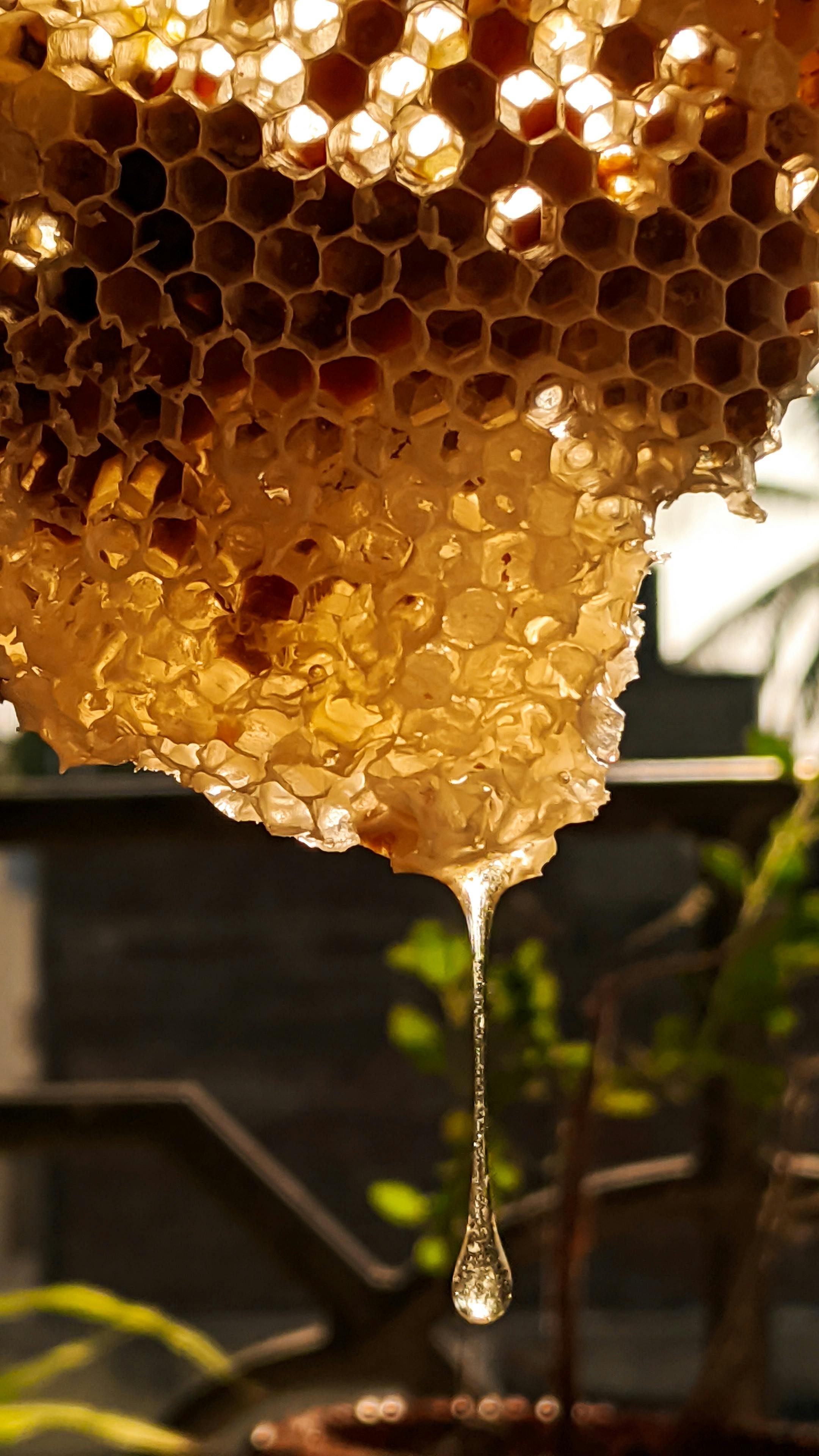
4. Raw Honey – Nature’s Sweet Gold (Use Sparingly)
- What it is: Unprocessed honey from bees.
- Sweetness level: Slightly sweeter than sugar.
- Calories: ~64 calories per tablespoon.
- Pros: Contains antioxidants, enzymes, and trace minerals. Antibacterial properties.
- Cons: Still high in sugar and calories; can raise blood sugar if consumed in excess.
5. Dates and Date Syrup – The Whole-Food Sweetener
- What it is: Made from whole, dried dates.
- Sweetness level: Comparable to sugar.
- Calories: ~66 calories per tablespoon.
- Pros: High in fiber, antioxidants, potassium, and magnesium.
- Cons: High in natural sugars, so moderation is key.
So, What’s the Best Sugar Alternative?
For most people, the best sugar substitute is a mix of Stevia and Monk Fruit.
Why?
- They’re natural
- Have no effect on blood sugar
- Contain zero calories
- And have antioxidant properties with no known long-term side effects when used in moderation
Both are FDA-approved, widely available, and suitable for most diets — including keto, diabetic, and low-calorie lifestyles.
Tips for Transitioning Off Sugar
- Start slow: Replace half the sugar in your recipes first
- Combine sweeteners: Stevia + Erythritol or Monk Fruit + Honey for better flavor balance
- Read labels: Watch for added sugars in “health” foods
- Retrain your taste buds: After 2–3 weeks of reduced sugar, cravings fade
Conclusion
Refined sugar may be sweet, but its effects on the body are anything but. Thankfully, nature has provided healthier alternatives that taste good and nourish instead of harm. Whether you're looking to manage blood sugar, lose weight, or simply cut down on processed foods, switching to a natural sweetener like Stevia or Monk Fruit could be the best decision for your long-term health.
Your health doesn’t have to come at the cost of flavor — just choose smarter sweets.







Comments