

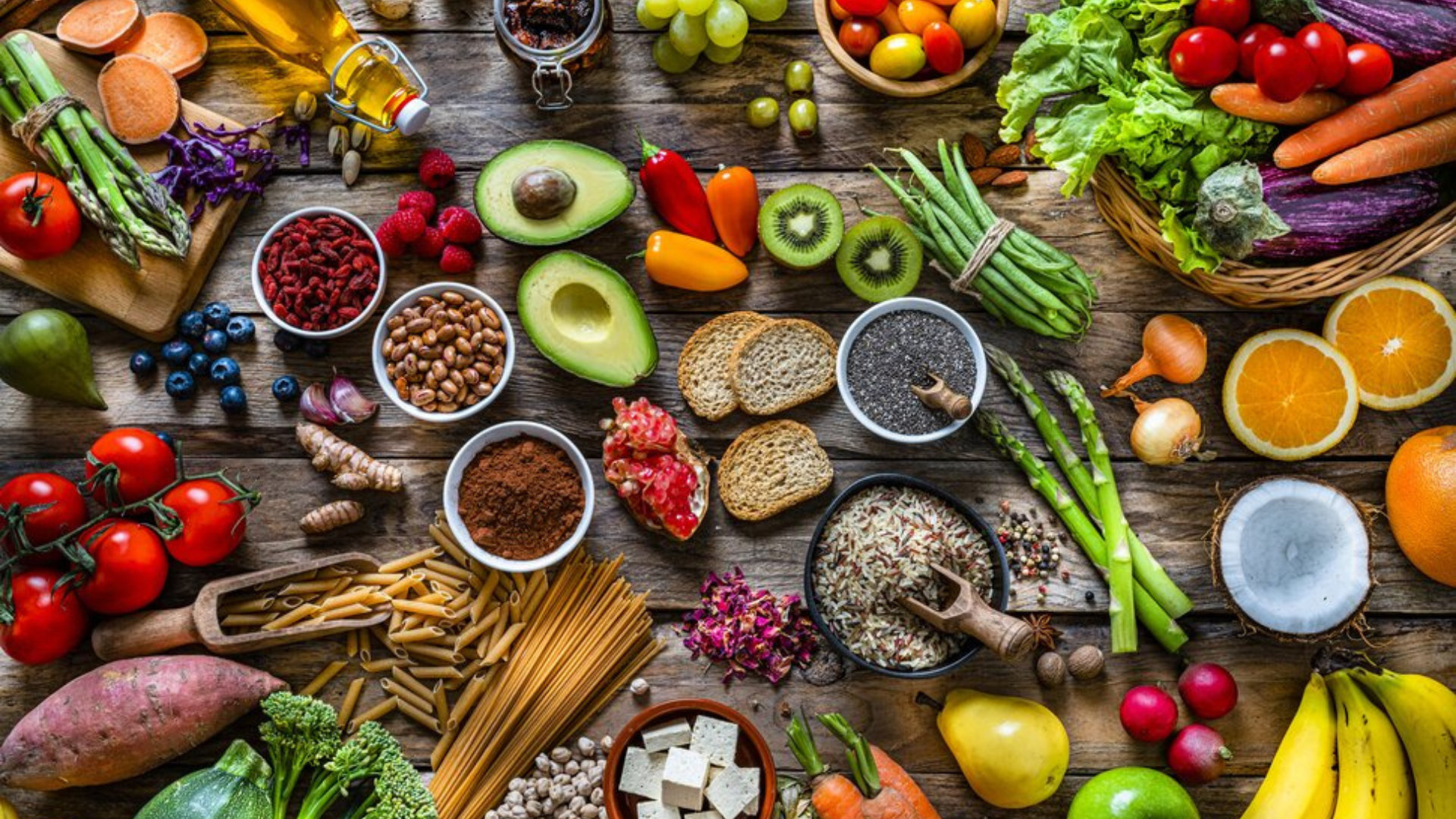
Beyond Bananas: Top Fruits That Are Higher in Potassium and Even Better for Your Heart and Muscles.
Disclosure: "This article contains affiliate links. If you purchase through these links, I may earn a commission at no extra cost to you. This helps support my work. Thank you!"
Product: Now Foods Potassium Citrate 99mg 180cap
Product Link: https://amzn.to/3GIloYH
THE ARTICLE.
When it comes to potassium-rich fruits, bananas usually steal the spotlight. They're well-known for supporting heart health, muscle function, and fluid balance. But what if we told you that bananas aren't the only—or even the best—fruit sources of potassium? In fact, several fruits contain more potassium per serving than bananas and come with additional health benefits.
This article explores the top fruits that pack a serious potassium punch, why potassium is essential for your body, and how to enjoy these alternatives as part of a healthy diet.
🧠 Why Potassium Is Important
Potassium is a vital mineral and electrolyte that:
- Supports heart function
- Helps regulate blood pressure
- Aids in muscle contraction and nerve signaling
- Balances fluids and prevents cramps and fatigue
The Recommended Daily Intake (RDI) for potassium is:
- 2,600 mg/day for adult women
- 3,400 mg/day for adult men
(Source: National Institutes of Health)
🍌 How Much Potassium Is in a Banana?
A medium banana contains about 422 mg of potassium, which is roughly 12% of the daily recommended intake. It’s a good source—but not the best. So let’s explore some fruit options that outshine bananas in potassium content.
🥇 Fruits Higher in Potassium Than Bananas
1. Avocados – 708 mg per cup (sliced)
Yes, avocados are technically fruits! One cup of sliced avocado contains a whopping 708 mg of potassium. They’re also rich in heart-healthy fats and fiber.
Reference: USDA FoodData Central
2. Guava – 688 mg per cup
Guava is a tropical powerhouse full of vitamin C, fiber, and potassium. One cup provides nearly 16% more potassium than a banana.
Reference: USDA FoodData Central
3. Pomegranates – 666 mg per whole fruit
Packed with antioxidants and anti-inflammatory compounds, a whole pomegranate delivers over 650 mg of potassium and supports heart and kidney health.
Reference: USDA FoodData Central
4. Dried Apricots – 1,101 mg per ½ cup
These sweet treats are concentrated sources of potassium due to the drying process. A half-cup of dried apricots has more than double the potassium of a banana.
Note: Watch for added sugars and consume in moderation.
Reference: USDA FoodData Central
5. Passion Fruit – 687 mg per cup (pulp)
Passion fruit is another tropical gem that’s high in fiber and potassium. One cup of the pulp gives you more potassium than a banana, plus immune-boosting vitamin C.
Reference: USDA FoodData Central
6. Kiwifruit – 552 mg per cup (sliced)
Kiwis are often praised for vitamin C, but they’re also a great source of potassium. One cup of sliced kiwi gives you over 500 mg—more than a banana!
Reference: USDA FoodData Central
7. Cantaloupe – 473 mg per cup (cubed)
This refreshing melon offers hydration, vitamin A, and a good potassium boost. One cup delivers more potassium than a medium banana.
Reference: USDA FoodData Central
8. Prunes (Dried Plums) – 637 mg per ½ cup
Prunes aren’t just for digestion. They’re also an excellent potassium source and have been linked to improved bone health in aging adults.
Reference: Journal of Medicinal Food, 2011
💡 Tips to Boost Potassium Intake with Fruits
- Snack smarter: Swap banana snacks for dried apricots, prunes, or guava slices.
- Add variety: Top your salads with avocado or pomegranate seeds.
- Make smoothies: Blend cantaloupe, kiwi, and passion fruit for a tropical potassium-rich smoothie.
- Watch your portions: Some high-potassium fruits (like dried ones) are calorie-dense—moderation is key.
⚠️ A Word of Caution
If you have kidney disease, your body may struggle to eliminate excess potassium, which can lead to dangerous levels in the blood. Always consult a healthcare provider before increasing potassium-rich foods.
✅ Final Takeaway
While bananas are a convenient source of potassium, they’re far from the richest. Fruits like avocados, guava, dried apricots, and pomegranates provide even more potassium per serving—along with a broader range of nutrients.
Including a variety of potassium-rich fruits in your diet not only supports heart and muscle health but also keeps your meals colorful, flavorful, and nutrient-dense.
📚 References
- USDA FoodData Central – https://fdc.nal.usda.gov
- National Institutes of Health – Potassium Fact Sheet – https://ods.od.nih.gov
- Journal of Medicinal Food (2011). Dried Plum's Role in Bone Health
https://www.babacares.com/blog-details?details=606&title=Beyond+Bananas%3A+Top+Fruits+That+Are+Higher+in+Potassium+and+Even+Better+for+Your+Heart+and+Muscles.





Comments