

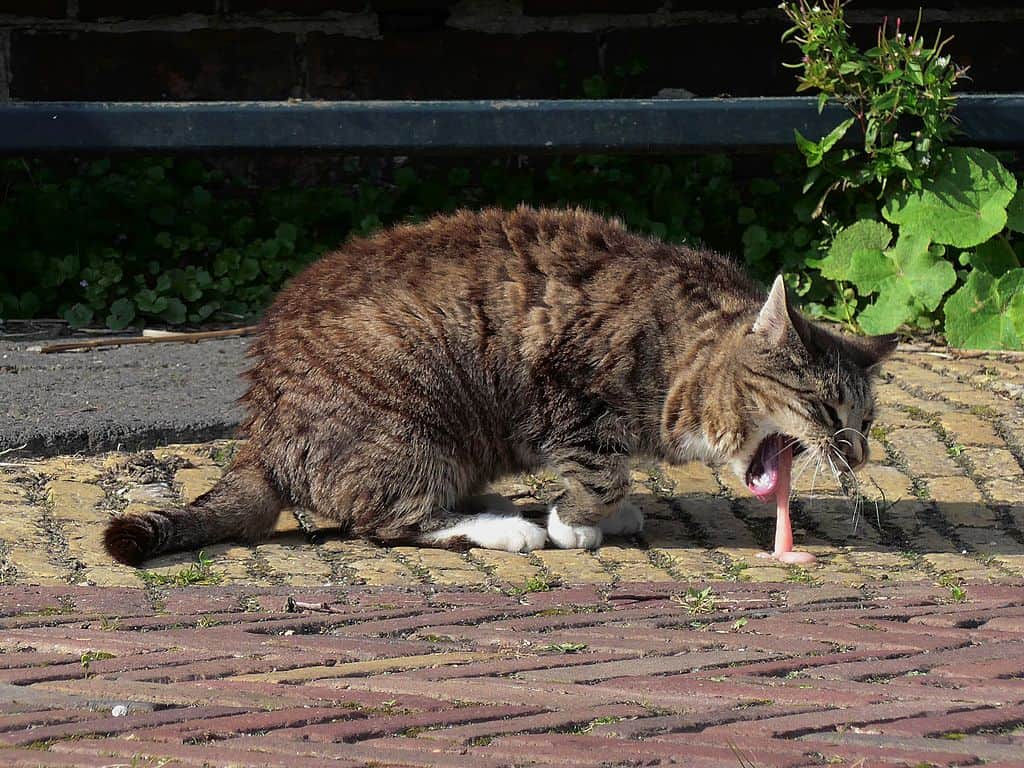
If Your Cat Vomits Regularly: What to Do Every Day for Better Health.
Disclosure: "This article contains affiliate links. If you purchase through these links, I may earn a commission at no extra cost to you. This helps support my work. Thank you!"
Product: Probiotics for Cats – 20-Species Cat Probiotic Powder to Treat Diarrhea, Vomiting, Digestive Support & Antibiotics Recovery – Cat Health Supplies (44 gr)
Product Link: https://amzn.to/42ZIbGO
THE ARTICLE.
Introduction: Why Does My Cat Vomit?
If you’ve noticed your cat vomiting frequently, it can be a cause for concern. While occasional vomiting may not be alarming, if it happens often, it could be a sign of an underlying issue such as dietary problems, hairballs, or even more serious health conditions. Understanding the cause of your cat’s vomiting and taking proactive steps can significantly improve your cat’s health and comfort.
In this article, we’ll discuss what you can do every day to help your cat feel better and reduce the likelihood of vomiting. From diet changes to grooming, these tips are simple and effective ways to support your cat’s digestive health.
1. Regular Grooming to Prevent Hairballs
Why It Helps: Hairballs are one of the most common causes of vomiting in cats, especially in long-haired breeds. Cats groom themselves by licking their fur, and in the process, they ingest hair that can get stuck in their digestive tract. This can lead to vomiting as the cat tries to expel the hairballs.
What to Do: Brush your cat’s fur regularly to reduce shedding and hair ingestion. Aim for daily grooming sessions to prevent hairballs and promote overall coat health. For long-haired cats, this is especially crucial, but short-haired cats can also benefit from regular brushing.
According to the American Animal Hospital Association (AAHA), grooming helps prevent hairballs and reduces the frequency of vomiting in cats.
Source
2. Adjust Their Diet: High-Quality, Easily Digestible Food
Why It Helps: Sometimes, a cat’s vomiting is related to poor digestion or food intolerance. Low-quality food or sudden diet changes can irritate your cat's stomach and cause vomiting. Ensuring that your cat is eating high-quality, easily digestible food can help improve digestion and reduce vomiting.
What to Do: Switch to a high-quality, protein-rich cat food that’s free from artificial additives and fillers. Look for food labeled as easily digestible and designed to support your cat’s stomach. You can also consider wet food as it’s more hydrating and often gentler on the digestive system than dry food.
The American Veterinary Medical Association (AVMA) recommends that pet owners choose foods designed for sensitive stomachs to reduce vomiting and digestive issues.
Source
3. Keep Meal Times Regular and Smaller Portions
Why It Helps: Some cats may vomit due to eating too quickly, which can lead to the food not being properly digested. Additionally, large meals can overload your cat’s digestive system, leading to nausea or vomiting.
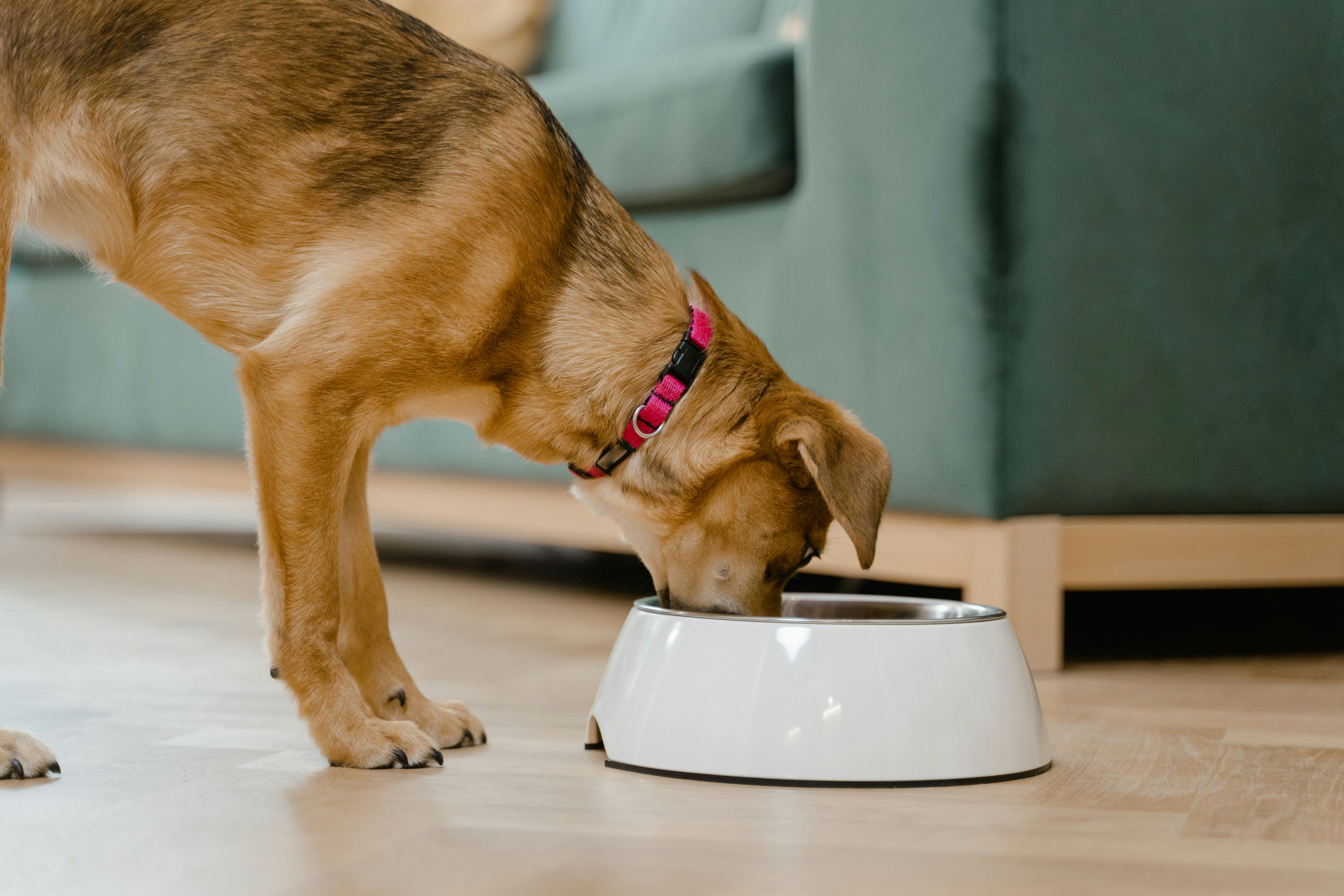
What to Do: Feed your cat smaller, more frequent meals throughout the day rather than one large meal. If your cat tends to eat too fast, try a slow-feed bowl designed to slow down eating and prevent overeating.
According to the Cornell University College of Veterinary Medicine, smaller, more frequent meals can help improve digestion and reduce the chances of vomiting.
Source
4. Provide Fresh Water to Keep Them Hydrated
Why It Helps: Dehydration is a common issue for cats, especially those that are vomiting frequently. Water plays an essential role in helping the digestive system function properly and preventing further vomiting episodes.
What to Do: Ensure that your cat has access to fresh water at all times. If your cat is reluctant to drink, consider offering wet food that contains higher moisture content. You can also try a cat water fountain, as many cats are more likely to drink moving water.
The American Kennel Club (AKC) emphasizes the importance of hydration for pets, particularly when managing digestive issues like vomiting.
Source
5. Consider Adding Probiotics to Their Diet
Why It Helps: Probiotics help maintain a healthy balance of gut bacteria, which can be beneficial for digestive health. Adding probiotics to your cat's diet can help improve gut flora and support proper digestion, potentially reducing vomiting episodes.
What to Do: You can add a probiotic supplement to your cat’s food or choose a cat food that contains probiotics. Make sure to consult your vet before introducing any supplements to ensure they’re appropriate for your cat’s specific health needs.
A study in the Journal of Feline Medicine and Surgery highlights the positive impact of probiotics on gastrointestinal health in cats.
Source
6. Monitor Their Weight and Health Regularly
Why It Helps: Sudden weight loss or underlying health conditions can contribute to vomiting. Regular monitoring of your cat’s weight and overall health can help you identify any potential issues early on.
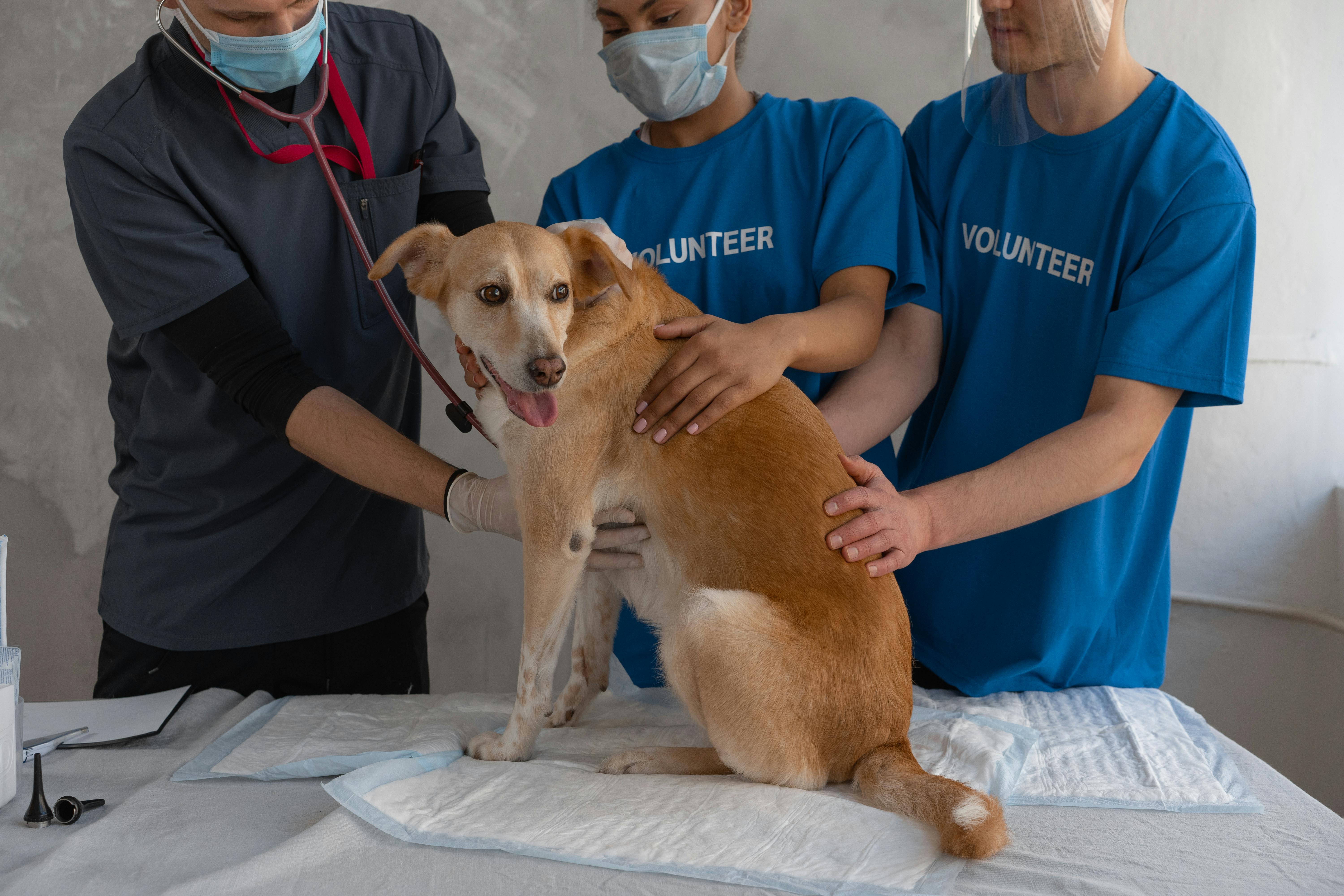
What to Do: Weigh your cat regularly and keep track of any changes in their behavior or eating habits. If you notice weight loss, lethargy, or changes in their vomiting pattern, schedule a vet appointment for further investigation.
The American Animal Hospital Association (AAHA) recommends routine health check-ups to detect early signs of illness, which may help prevent symptoms like vomiting.
Source
Conclusion: Regular Care for a Healthy Cat
If your cat vomits frequently, it’s essential to address the issue through regular care and preventive measures. By making simple changes to their diet, grooming routine, and daily habits, you can help your cat feel better and reduce the chances of vomiting. However, if vomiting persists or worsens, it's important to consult a veterinarian to rule out any underlying medical conditions.
References
- American Animal Hospital Association (AAHA) – Grooming for Cats: How Regular Grooming Can Prevent Health Issues
Source - American Veterinary Medical Association (AVMA) – Choosing the Right Cat Food
Source - Cornell University College of Veterinary Medicine – Pet Digestive Health and Feeding Recommendations
Source - American Kennel Club (AKC) – The Importance of Hydration for Pets
Source - Journal of Feline Medicine and Surgery – The Role of Probiotics in Cats' Digestive Health
Source
https://www.babacares.com/blog-details?details=576&title=If+Your+Cat+Vomits+Regularly%3A+What+to+Do+Every+Day+for+Better+Health.









Comments