

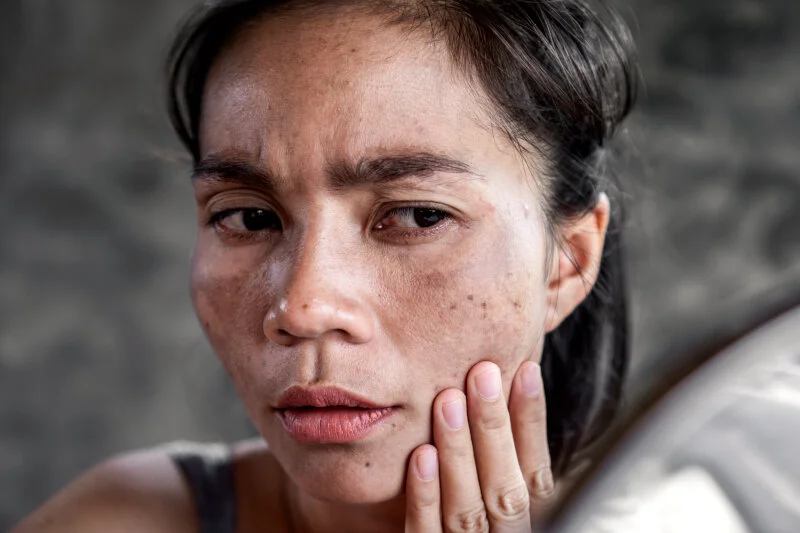
The Root Cause of Dark Spots: Understanding Hyperpigmentation and How to Prevent It.
Disclosure: "This article contains affiliate links. If you purchase through these links, I may earn a commission at no extra cost to you. This helps support my work. Thank you!"
Product: Glycolic Acid 20% Resurfacing Pads with Vitamins B5 C & E Green Tea Calendula Allantoin - Exfoliates Surface Skin and Reduces Fine Lines and Wrinkles
Product Link: https://amzn.to/4juGyrK
THE ARTICLE.
🌞 Introduction: Why Do We Get Dark Spots?
Dark spots, also known as hyperpigmentation, are one of the most common skin concerns. These unsightly marks can appear on your face, hands, or other parts of your body, making many people self-conscious about their appearance. But what exactly causes these spots, and more importantly, how can you prevent or treat them?
In this article, we will explore the root causes of dark spots, the science behind hyperpigmentation, and provide you with actionable tips for prevention and treatment.
🔬 What Are Dark Spots?
Dark spots are areas of the skin that are darker than the surrounding skin. These can be:
- Sunspots (or age spots): Result from prolonged exposure to the sun.
- Post-inflammatory hyperpigmentation (PIH): Dark spots that appear after an injury, acne, or any form of skin irritation.
- Melasma: Often triggered by hormonal changes, pregnancy, or birth control use.
- Freckles: Genetic or sun-induced spots that appear predominantly in fair-skinned individuals.
🧬 The Root Causes of Dark Spots
The primary cause of dark spots is an overproduction of melanin in the skin. Melanin is the pigment responsible for the color of your skin, eyes, and hair. When the skin produces too much melanin, certain areas become darker, leading to visible spots. Let's break down some key causes of this phenomenon:
1. Excess Sun Exposure
One of the leading causes of dark spots is exposure to UV rays. When skin is exposed to the sun, it produces more melanin to protect itself from UV radiation. Over time, sunburn or long-term UV exposure can lead to the formation of dark spots, particularly in areas like the face, hands, and shoulders.
- Study: Research published in the Journal of Investigative Dermatology found that UV radiation is the main factor in triggering hyperpigmentation.
📚 Zouboulis et al., 2009 – Journal of Investigative Dermatology
2. Hormonal Changes (Melasma)
Hormonal fluctuations, particularly during pregnancy or when using birth control, can lead to melasma, a type of hyperpigmentation. This condition causes dark, irregular patches, often on the forehead, cheeks, or upper lip, and is most commonly seen in women.
- Study: A study published in the Journal of Dermatology found a correlation between pregnancy hormones (estrogen and progesterone) and increased melanin production, leading to melasma.
📚 Borges et al., 2017 – Journal of Dermatology
3. Acne Scars (Post-Inflammatory Hyperpigmentation)
If you've ever had acne, you may have noticed that after the blemishes heal, dark spots remain. These are known as post-inflammatory hyperpigmentation (PIH). This occurs when inflammation from an injury or acne triggers excess melanin production at the site of the injury.
- Study: According to research in the Dermatologic Surgery Journal, PIH is a common aftereffect of acne, particularly in darker skin tones.
📚 Fitzpatrick et al., 2018 – Dermatologic Surgery Journal
4. Genetics
Some individuals are genetically predisposed to developing dark spots, particularly freckles. Freckles tend to develop in fair-skinned people due to their skin's response to sun exposure. These spots are typically harmless but can darken with prolonged UV exposure.
- Study: According to a study in Nature Genetics, genetic variations can influence melanin production and lead to conditions like freckles and hyperpigmentation.
📚 Sullivan et al., 2018 – Nature Genetics
5. Skin Aging
As we age, the skin's ability to regenerate diminishes, leading to an accumulation of pigment in certain areas, especially from sun exposure over the years. This is often seen in the form of age spots or sunspots.
- Study: Research published in the Journal of Dermatological Science highlights how skin aging leads to the irregular distribution of melanin, contributing to the appearance of dark spots.
📚 Yamauchi et al., 2008 – Journal of Dermatological Science
🛑 Prevention Tips for Dark Spots
- Sun Protection: Use sunscreen with SPF 30 or higher every day, even when it’s cloudy, to protect your skin from UV-induced pigmentation.
- Avoid Picking at Acne: Don’t squeeze or pick blemishes. This can increase the risk of scarring and hyperpigmentation.
- Use Gentle Skincare: Choose products that are free from harsh chemicals, and avoid products that irritate the skin.
- Apply Vitamin C: This antioxidant helps brighten skin and reduce pigmentation.
- Hydrate and Moisturize: Keeping skin hydrated can help prevent inflammation and the formation of dark spots.
⚖️ Treatment for Dark Spots
- Topical Creams: Look for creams containing ingredients like hydroquinone, retinoids, or alpha hydroxy acids (AHAs).
- Laser Treatments: Certain laser therapies can target dark spots and reduce melanin production.
- Chemical Peels: A professional chemical peel can exfoliate the skin and lighten hyperpigmented areas.
🌿 Natural Remedies for Dark Spots
- Aloe Vera: Contains aloin, which may reduce pigmentation.
- Lemon Juice: Its acidic nature can help lighten dark spots when applied in moderation.
- Turmeric: Known for its anti-inflammatory and brightening properties, turmeric can reduce pigmentation.
Conclusion: Understanding and Managing Dark Spots
Dark spots are a common skin concern, but they don’t have to be permanent. By understanding the root causes, you can take proactive steps in preventing and treating hyperpigmentation.
Whether it’s through sun protection, skincare routines, or natural remedies, you can achieve clearer, more even skin. If you struggle with stubborn dark spots, consulting a dermatologist for professional treatment options is a great step forward.
Have you tried any remedies for dark spots? Share your experience in the comments below!
https://www.babacares.com/blog-details?details=550&title=The+Root+Cause+of+Dark+Spots%3A+Understanding+Hyperpigmentation+and+How+to+Prevent+It.










Comments