

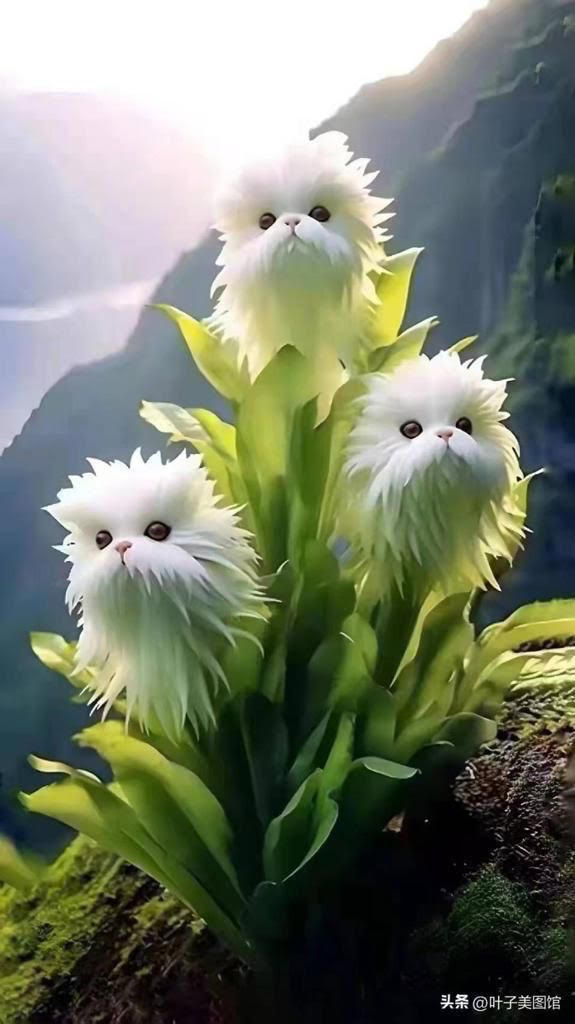
Himalayan Monkey Flower: Rare Bloom That Only Appears Every 20 Years - Where to Find It.
THE ARTICLE.
Introduction: The Fascinating Himalayan Monkey Flower
The Himalayan monkey flower (Phyllanthus emblica), also known as the "20-year bloom," is one of the most extraordinary and rare flowers on Earth. Known for its incredibly infrequent blooming cycle—flowering only once every 20 years—it has captured the attention of botanists, nature enthusiasts, and collectors alike. Its mysterious nature and infrequency of blooming have led to curiosity about where to find it, what makes it so special, and why its bloom cycle is so unique.
In this article, we will explore the elusive Himalayan monkey flower, its blooming cycle, and where you can find this rare plant. Let’s dive into this natural marvel and unravel the mystery behind its once-in-a-lifetime bloom.
What is the Himalayan Monkey Flower?
The Himalayan monkey flower is native to the rugged mountainous regions of the Himalayas, including parts of Nepal, Bhutan, and northern India. This extraordinary plant thrives at high altitudes in a variety of ecosystems, from alpine meadows to rocky cliffs, where it has adapted to the harsh and unpredictable climate.
The flower is named for its unique characteristics and vibrant appearance. It typically features delicate petals with a mix of bright yellow and red hues, resembling the face of a monkey, hence the name "monkey flower." However, its most fascinating feature is its blooming cycle, which only occurs once every 20 years, making it one of the rarest blooms in the plant kingdom.
Why Does the Himalayan Monkey Flower Bloom So Rarely?
The phenomenon of the Himalayan monkey flower’s rare bloom is tied to several factors, including environmental conditions, climate, and evolutionary survival strategies. Here are some of the key reasons behind its once-in-a-lifetime bloom:
- Harsh Environmental Conditions: The regions where the flower grows are characterized by extreme weather conditions, including freezing temperatures, limited sunlight, and short growing seasons. These factors contribute to the flower’s long blooming cycle, ensuring it blooms only when the environmental conditions are just right for survival and reproduction.
- Pollination Strategy: The flower’s infrequent blooming ensures that pollinators, such as specific species of bees or birds, are attracted to the rare event, thereby ensuring the flower’s reproduction. Its long bloom cycle limits the number of pollinators it attracts but maximizes the chances of successful pollination during the bloom.
- Energy Conservation: The long inter-blooming period allows the plant to conserve energy and resources. During the years between blooms, it survives in a dormant or semi-dormant state, focusing on growth and survival rather than reproduction. This strategy helps the plant endure the difficult conditions of its native habitat.
Where to Find the Himalayan Monkey Flower
Due to its rarity, finding the Himalayan monkey flower can be an adventurous and rewarding experience. However, it requires patience, knowledge of its native environment, and a bit of luck. Here are some places where the Himalayan monkey flower is known to grow and bloom:
- Himalayan Mountain Range: The primary habitat of the Himalayan monkey flower lies within the higher altitudes of the Himalayas, where the climate is cold and harsh. The flower thrives in the rocky terrains of regions like Nepal, Bhutan, and northern India, including areas around Mount Everest and the Annapurna Range.
- Specialized Botanical Gardens: Some rare botanical gardens around the world attempt to cultivate the Himalayan monkey flower, though the bloom cycle may not necessarily align with the plant’s natural 20-year cycle. If you are fortunate enough to visit such gardens, you may catch a glimpse of this rare flower during its blooming season.
- Remote Himalayan Trekking Expeditions: If you are an adventurous traveler or botanist looking to see the Himalayan monkey flower in its natural habitat, there are several trekking expeditions that pass through areas where the flower is known to grow. However, you should be prepared for a long, challenging trek at high altitudes, and be sure to consult local experts who are familiar with the flower’s habitat.
Can You Cultivate the Himalayan Monkey Flower at Home?
While the Himalayan monkey flower is incredibly rare and difficult to grow outside of its natural environment, some botanists and enthusiasts have attempted to cultivate it in specialized conditions. However, the plant’s unique blooming cycle and environmental requirements make it extremely challenging to cultivate successfully in non-native regions.
For most plant collectors and gardening enthusiasts, it is best to observe the flower in its natural environment or through specialized botanical collections. However, if you’re looking for a similar flowering plant for your garden, there are many other varieties of “monkey flowers” (often species from the Mimulus genus) that bloom more frequently and are easier to grow.
Conclusion: The Allure of the Himalayan Monkey Flower
The Himalayan monkey flower is a rare, mystical plant that captivates the imagination of those who hear about its infrequent bloom. With its vibrant petals, stunning appearance, and once-in-a-lifetime bloom cycle, this flower continues to be an object of fascination for nature lovers, scientists, and adventurers alike.
If you're hoping to witness the bloom of the Himalayan monkey flower, you’ll need to be patient, prepared for a challenging journey, and possibly wait for the right moment when the flower decides to bloom—only once every 20 years. Whether you are seeking it in the wild or in botanical gardens, the allure of this rare flower remains undeniable.
References:
https://www.babacares.com/blog-details?details=541&title=Himalayan+Monkey+Flower%3A+Rare+Bloom+That+Only+Appears+Every+20+Years+-+Where+to+Find+It.




Comments