

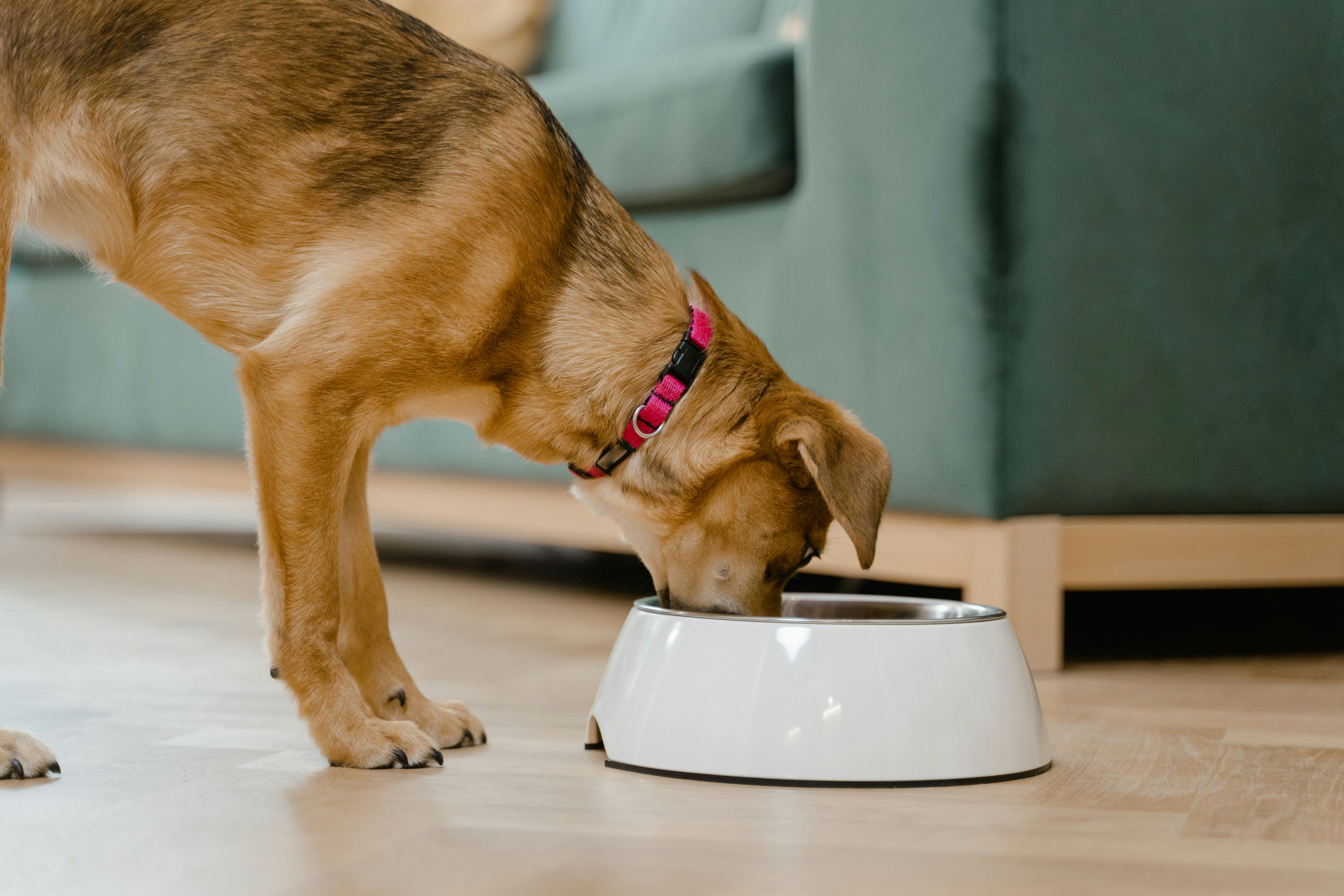
Top Veterinarians Recommend This One Thing If Your Dog Eats Dry Food Daily (Backed by Research).
Disclosure: "This article contains affiliate links. If you purchase through these links, I may earn a commission at no extra cost to you. This helps support my work. Thank you!"
Product: Hill's Science Diet Adult Small Bites Dry Dog Food, Chicken & Barley Recipe, 35 lb bag
Product Link: https://amzn.to/4jkk7pe
THE ARTICLE.
Introduction: Why Dry Food Alone May Not Be Enough for Your Dog
Dry kibble (dry dog food) is one of the most common ways pet owners feed their dogs. It’s affordable, convenient, and shelf-stable. But if your dog eats dry food every day — especially without any other supplements or hydration strategies — it could lead to health issues over time.
Top veterinarians now advise a simple but powerful addition to your dog’s routine to help prevent problems related to digestion, hydration, dental health, and nutrient absorption.
Let’s explore why dry food might not be sufficient on its own and what vets say you should be doing daily to support your dog’s long-term health.
The Problem with Dry Dog Food
- Low Moisture Content
Most kibble contains only 6–10% moisture, compared to 70–80% moisture in a dog’s ancestral raw or freshly hunted diet.
🧪 Veterinary Insight: Low hydration can put stress on a dog’s kidneys, liver, and bladder over time.
📖 Reference: VCA Animal Hospitals – Nutrition and Kidney Health - High Carbohydrate Load
Kibble is often packed with fillers like corn, wheat, and rice — carbs that can lead to weight gain, inflammation, and poor energy levels in some dogs. - Loss of Natural Enzymes & Nutrients
The high-heat processing used in making kibble destroys some beneficial nutrients and digestive enzymes that your dog needs.
Top Vet Recommendation: Add Moisture + Fresh Whole Foods Daily
✔️ Add Warm Water or Bone Broth
Hydrate your dog’s kibble before serving. Adding warm water or low-sodium bone broth helps:
- Aid digestion
- Enhance nutrient absorption
- Reduce choking risk
- Encourage picky eaters to enjoy their food
📖 Reference: American Kennel Club – Hydrating Your Dog
✔️ Incorporate Fresh Whole Foods
Even small amounts of fresh, whole foods added to kibble can greatly benefit your dog’s health. Consider adding:
- Cooked or raw veggies (carrots, green beans, pumpkin)
- Lean meats (chicken, beef, turkey)
- Omega-3-rich fish like sardines or salmon (boneless)
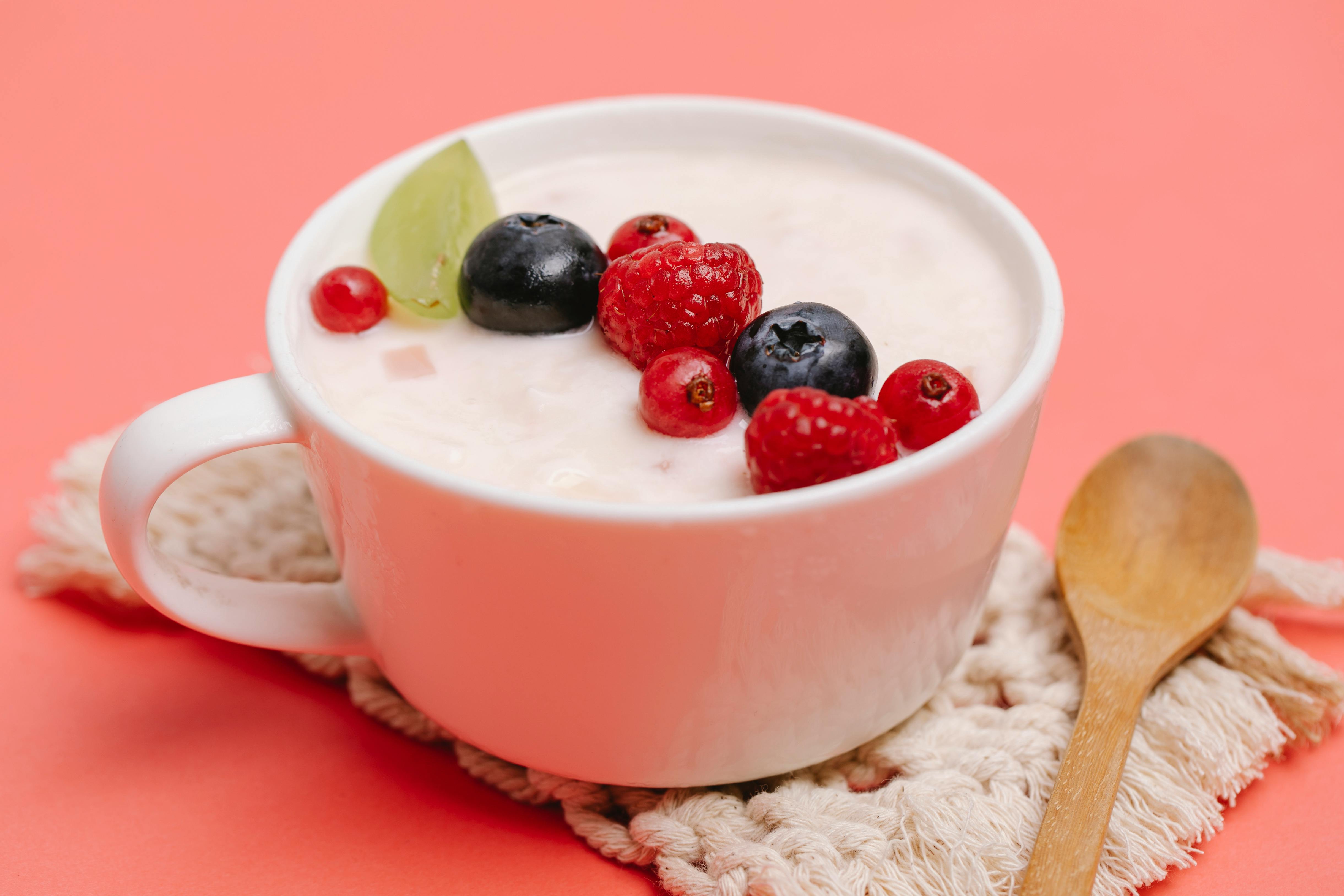
- Probiotics (unsweetened yogurt or vet-approved supplements)
📖 Reference: PetMD – Whole Foods for Dogs
Bonus Tip: Rotate Your Dog’s Proteins
Vets recommend rotating protein sources every few weeks to help prevent food sensitivities and ensure a wider range of amino acids and nutrients. Example rotation:
- Week 1–2: Chicken-based kibble
- Week 3–4: Lamb or fish-based kibble
- Week 5–6: Add turkey or beef toppers
📖 Reference: Whole Dog Journal – Rotating Proteins
Don’t Forget Dental Care
Dry kibble does not clean teeth, despite the common myth. In fact, many dogs still develop tartar and gum issues even with daily kibble.
🔹 Solution: Incorporate raw bones, dental chews, or vet-approved brushing routines.
📖 Reference: American Veterinary Dental College – Home Dental Care
Final Thoughts: Upgrade Your Dog’s Kibble Routine in One Easy Step
If your dog eats dry food every day, don’t panic — but do take action. The simple act of adding hydration and fresh food can transform your dog’s health, digestion, and vitality.
Your dog depends on you for everything — and this one-minute change could give them a healthier, happier, and longer life.
Quick Checklist for Dry-Fed Dogs:
✅ Add warm water or bone broth to every meal
✅ Mix in fresh veggies or lean meat 2–3x a week
✅ Rotate protein sources every few weeks
✅ Use probiotics for better digestion
✅ Brush teeth or offer dental chews regularly
✅ Keep water bowls clean and always full
🐶 Vet-Approved Weekly Meal Planner for Dogs (Kibble-Based Diet)
Note: Use high-quality kibble as your base and enhance it with safe, nutritious add-ins.
|
Day |
Meal Add-Ons |
Hydration Boost |
Notes |
|
Monday |
Steamed carrots + plain yogurt |
Warm water |
Yogurt for gut health (1 tsp – small dogs) |
|
Tuesday |
Cooked chicken + pumpkin puree |
Low-sodium bone broth |
Pumpkin helps with digestion |
|
Wednesday |
Cucumber slices + sardines |
Water with splash of goat milk |
Omega-3s from sardines |
|
Thursday |
Green beans + boiled egg |
Warm water |
Eggs provide protein and biotin |
|
Friday |
Apple slices (no seeds) + rice |
Water |
Great for sensitive stomachs |
|
Saturday |
Sweet potatoes + cooked turkey |
Bone broth |
Immune-supporting vitamin A |
|
Sunday |
Broccoli (chopped) + blueberries |
Warm water |
Antioxidants galore! |
✅ Safe Human Foods to Add to Kibble
Veggies (steamed or raw in small bits):
- Carrots
- Green beans
- Cucumber
- Broccoli
- Pumpkin (plain, canned)
- Sweet potatoes (cooked only)
Fruits (no seeds or pits):
- Blueberries
- Apples (no seeds)
- Watermelon
- Banana (small amount)
- Strawberries
Proteins:
- Boiled chicken (no bones or seasoning)
- Turkey
- Scrambled or boiled eggs
- Sardines (in water, no salt)
- Ground beef (lean, cooked)
Other add-ons:
- Plain Greek yogurt (no sugar or xylitol)
- Cottage cheese (small amounts)
- Bone broth (low-sodium, no onion/garlic)
- Coconut oil (½ tsp for small dogs, 1 tsp for larger dogs – good for skin & coat)
- Chia or flax seeds (sprinkle lightly)
🔔 Tips for Feeding
- Introduce new foods gradually (one at a time) to monitor for allergies.
- Keep portions small — treats and additions should be no more than 10% of your dog’s total daily calories.
- Always provide fresh water and avoid anything with onion, garlic, grapes, raisins, chocolate, xylitol, or spices.
https://www.babacares.com/blog-details?details=531&title=Top+Veterinarians+Recommend+This+One+Thing+If+Your+Dog+Eats+Dry+Food+Daily+%28Backed+by+Research%29







Comments