

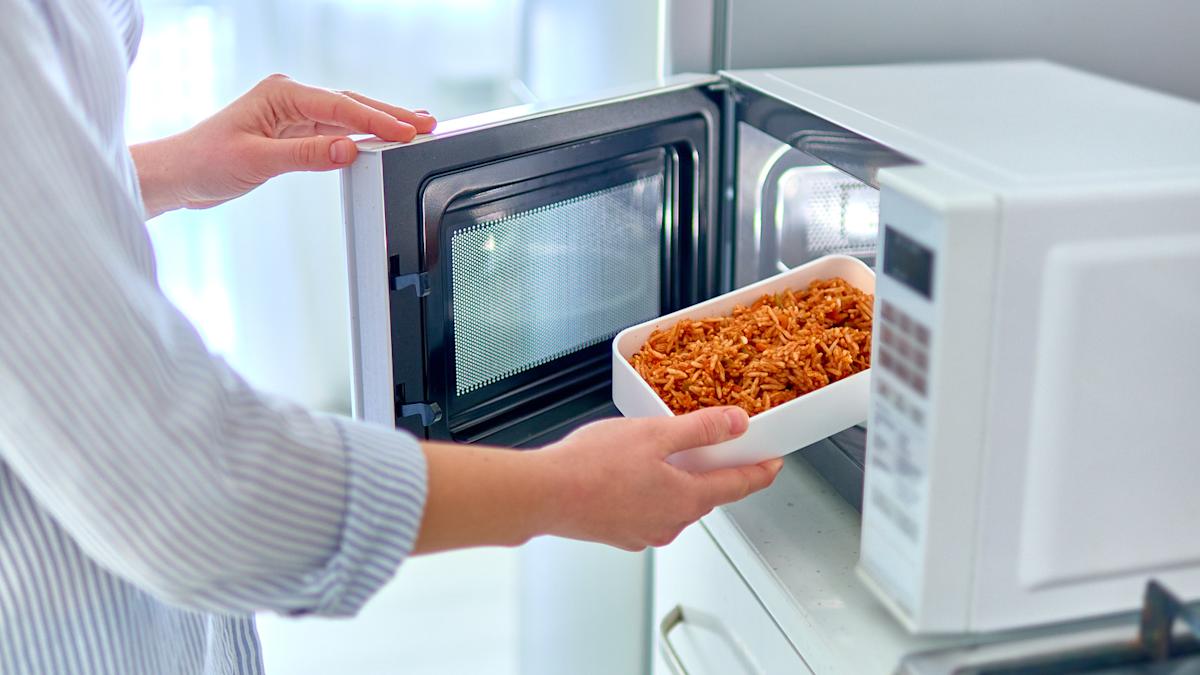
🔥 12 Foods You Should Never Reheat in a Microwave (Backed by Science).
Disclosure: "This article contains affiliate links. If you purchase through these links, I may earn a commission at no extra cost to you. This helps support my work. Thank you!"
Product: Panasonic Microwave Oven NN-SN686S Stainless Steel Countertop/Built-in with Inverter Technology and Genius Sensor, 1.2 Cubic Foot, 1200W
Product Link: https://amzn.to/3RWKy8b
THE ARTICLE.
Microwaves are quick and convenient, but did you know some foods become unsafe — or even toxic — when reheated this way? Whether it's due to nutrient loss, texture breakdown, or chemical changes, here are 12 foods you should never heat in the microwave, and why.
1. Hard-Boiled Eggs
Microwaving a hard-boiled egg can cause it to explode — literally. The steam trapped inside the egg builds up pressure and can burst, even after it's taken out of the microwave.
🔗 Source: American Egg Board
2. Breast Milk
Microwaving baby bottles or breast milk can lead to uneven heating, creating hot spots that may burn a baby’s mouth. Plus, it may degrade important nutrients.
🔗 Source: FDA
3. Processed Meats
Heating deli meats or sausages can cause harmful chemical changes. Nitrates in processed meats may convert to nitrosamines, which are carcinogenic.
🔗 Source: World Health Organization
4. Rice
Reheated rice can host Bacillus cereus — a bacteria that survives cooking and multiplies if rice is left at room temperature. Microwaving may not kill it.
🔗 Source: NHS UK
5. Chicken
Microwaves heat unevenly, which means chicken may not reach the internal temperature needed to kill bacteria like Salmonella.
🔗 Source: USDA
6. Leafy Greens (Spinach, Kale)
These are high in nitrates. When reheated, nitrates can convert into nitrosamines, which are potentially carcinogenic.
🔗 Source: Journal of Agricultural and Food Chemistry
7. Potatoes
Improperly stored cooked potatoes (at room temperature) can grow Clostridium botulinum — a toxin that can survive microwaving.
🔗 Source: CDC
8. Mushrooms
Mushrooms contain proteins that degrade quickly. Reheating them can result in digestive problems and loss of antioxidants.
🔗 Source: European Food Information Council
9. Seafood
Fish and shellfish are sensitive to reheating. Microwaving can result in foul odors and protein breakdown, increasing the risk of food poisoning.
🔗 Source: FDA
10. Beets
Like spinach, beets are high in nitrates and should be avoided when reheating in a microwave. They may also lose key antioxidants like betalains.
🔗 Source: Journal of Food Science
11. Fruits
Some fruits like grapes can explode or spark due to high water content and sugar. Others may form harmful compounds when microwaved.
🔗 Source: Popular Science
12. Chilies & Hot Peppers
Microwaving chilies can vaporize capsaicin, the compound responsible for heat. When released into the air, it can cause eye, nose, and throat irritation.
🔗 Source: American Chemical Society
✅ Safe Microwave Tips
- Use microwave-safe glass or ceramic containers.
- Stir food midway to ensure even heating.
- Never use plastic wraps directly touching food.
Microwaves are handy — but not all foods are created equal when it comes to reheating. Use the microwave wisely to stay safe and keep your food nutrient-rich.
https://www.babacares.com/blog-details?details=530&title=12+Foods+You+Should+Never+Reheat+in+a+Microwave+%28Backed+by+Science%29









Comments