

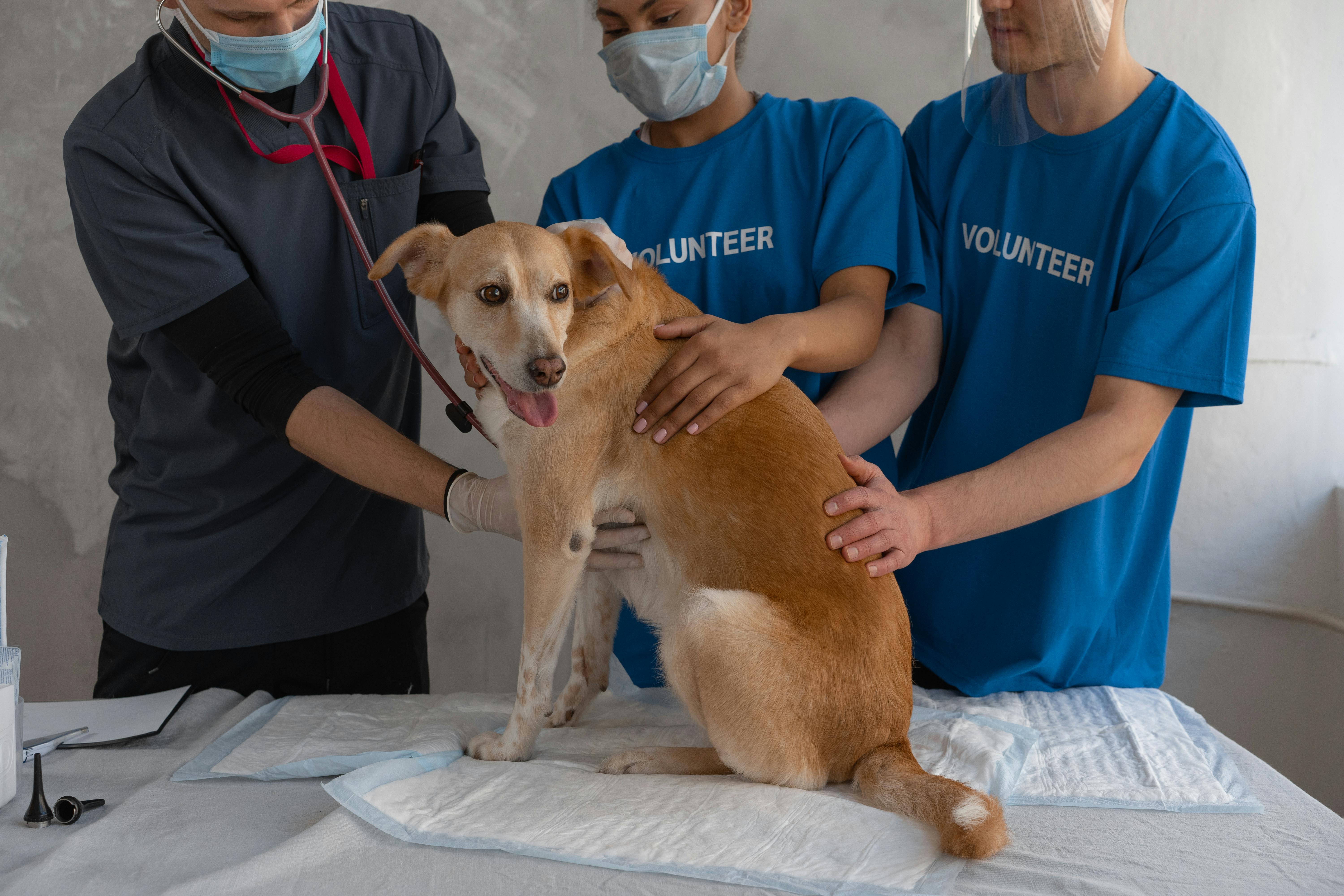
🐶 3 Subtle Ways Your Dog Asks for Help (That Most Owners Miss)
Disclosure:"This article contains affiliate links. If you purchase through these links, I may earn a commission at no extra cost to you. This helps support my work. Thank you!"
Product Hill's Science Diet Adult Small & Mini Chicken & Brown Rice Recipe Dry Dog Food, 15.5 lb bag
Product Link: https://amzn.to/3RXOOUZ
THE ARTICLE.
Dogs may not speak our language, but they’re excellent communicators — if you know what to look for. Whether your pup is in pain, feeling anxious, or unwell, they often show subtle signs when asking for help. Ignoring these signals can delay vital care. Here are three powerful ways your dog may be asking you for help, backed by veterinary experts.
1. Unusual Licking or Chewing
If your dog is constantly licking or chewing a certain body part — like a paw, joint, or their rear — it might be more than just grooming. Persistent licking can signal:
- Allergies (skin, food, or environmental)
- Pain or inflammation in joints
- Wounds or infections (even internal ones)
📌 Veterinary Insight: According to the American Kennel Club (AKC), dogs often lick painful areas as a self-soothing mechanism.
🔗 Source: AKC - Dog Licking
2. Changes in Behavior or Mood
Your once bubbly, tail-wagging companion is suddenly withdrawn or unusually clingy? That’s a red flag. Dogs express emotional or physical distress through:
- Hiding or avoiding contact
- Excessive barking or whining
- Restlessness or pacing at night
📌 Veterinary Insight: The American Veterinary Medical Association (AVMA) states that behavioral changes are one of the first signs of illness or discomfort in pets.
🔗 Source: AVMA - Pet Behavior
3. Shaking, Panting, or Trembling
While panting can be normal after exercise or on a hot day, excessive or unexplained panting or trembling can mean your dog is in pain, scared, or even suffering from a serious condition such as:
- Heatstroke
- Poison ingestion
- Heart disease
- Anxiety or panic attacks
📌 Veterinary Insight: VCA Animal Hospitals warn that dogs often tremble or pant excessively when experiencing nausea, fear, or distress.
🔗 Source: VCA Hospitals - Shaking
Final Thoughts
Dogs depend on us to notice when something’s wrong. Paying attention to behavioral cues, body language, and routine changes can be life-saving. If your dog is showing any of the above signs consistently, don’t wait — consult a veterinarian immediately.
Is your dog acting different lately? Share your experience or questions below — a happy, healthy dog starts with awareness.
https://www.babacares.com/blog-details?details=529&title=3+Subtle+Ways+Your+Dog+Asks+for+Help+%28That+Most+Owners+Miss%29







Comments