

Your Gut Is Smarter Than You Think—Here’s How to Feed It Right.
If you've ever had a "gut feeling," there's science to back it up. The gut is often called the second brain, and for good reason: it hosts over 100 trillion microorganisms, produces 90% of your serotonin, and plays a key role in immune function, metabolism, and even mood regulation.
In 2025, research into the gut-brain connection has exploded—and so has interest in how diet impacts your microbiome. Here's how to nourish your gut the smart way, backed by science.
🧠 The Gut-Brain Axis: Why Your Gut Health Affects Everything
The gut-brain axis is a two-way communication network between your gastrointestinal tract and your central nervous system. Through hormones, neurotransmitters, and the vagus nerve, your gut can influence mood, cognition, and even behavior.
📖 Reference: Mayer, E. A. et al., “Gut/Brain Axis and the Microbiome: Paradigm Shift in Neuroscience”, Nature Reviews Neuroscience, 2024.
🥦 How to Feed Your Gut Right: 5 Evidence-Backed Strategies
1. Eat More Fermented Foods
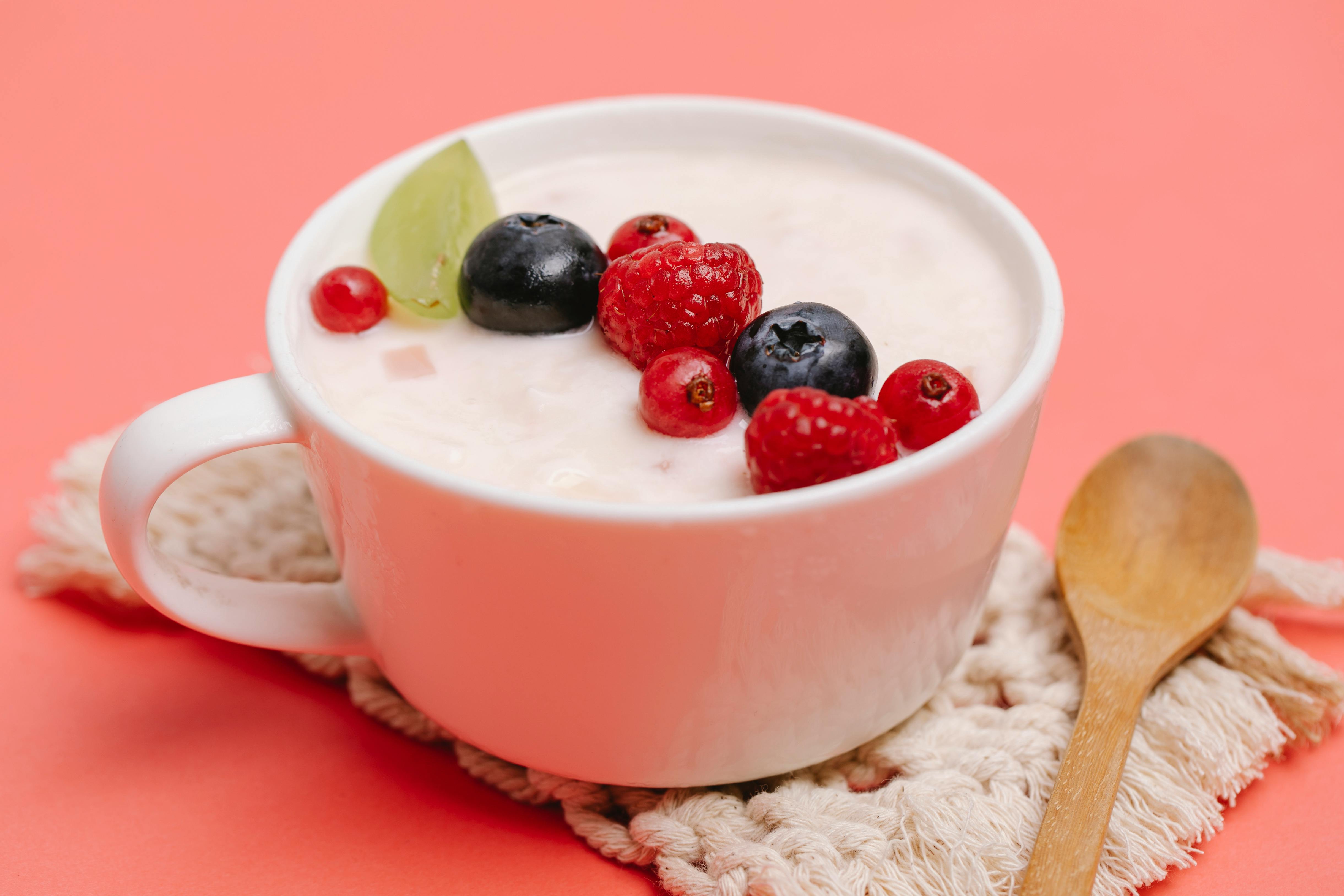
Foods like yogurt, kefir, kimchi, sauerkraut, miso, and kombucha introduce live probiotics into your digestive system, helping to maintain a diverse and healthy gut flora.
📖 Reference: Stanford Medicine, 2022–2025 study: “Fermented Foods vs Fiber for Gut Diversity”
2. Prioritize Prebiotic Fiber
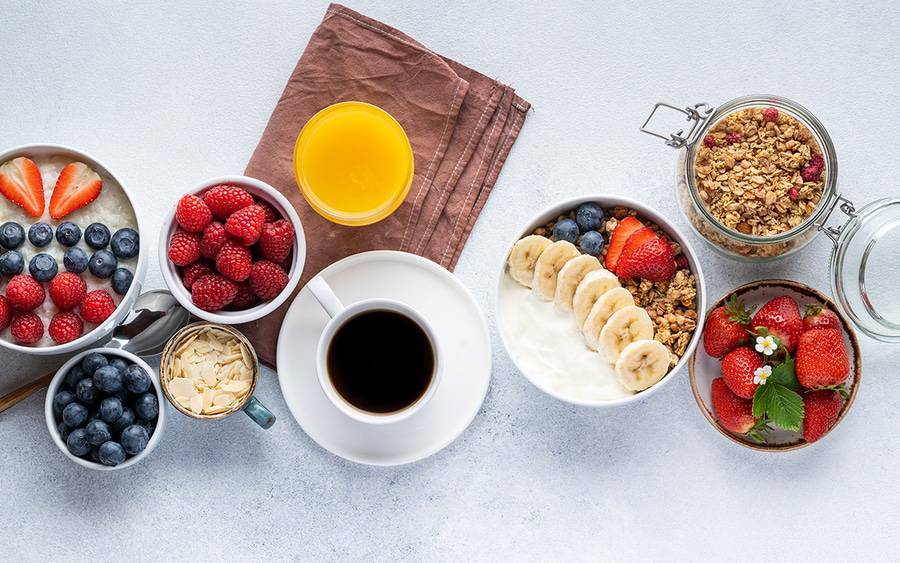
Prebiotics are the fuel your good bacteria need to thrive. Found in foods like:
- Garlic
- Onions
- Leeks
- Bananas
- Asparagus
- Chicory root
They increase beneficial bacteria such as Bifidobacteria and Lactobacilli.
📖 Reference: Journal of Nutrition, “Impact of Prebiotic Fiber on Microbial Composition”, 2023
3. Limit Processed Foods and Artificial Sweeteners
Highly processed foods and sweeteners like aspartame and sucralose can negatively affect microbial diversity and increase gut inflammation.
📖 Reference: Cell Metabolism, 2023: “Artificial Sweeteners and Gut Microbiota Disruption”
4. Rotate Your Diet for Microbiome Diversity
A diverse diet equals a diverse microbiome. Eating 30+ different plant foods a week has been shown to significantly improve gut health, according to the American Gut Project.
📖 Reference: American Gut Project Findings, 2024 Summary Report
5. Consider Personalized Probiotics
In 2025, microbiome testing has gone mainstream. Companies like ZOE, Viome, and DayTwo offer personalized insights into your gut profile—and recommend diet changes tailored to your unique biology.
📖 Reference: Nature Biotechnology, “The Rise of Personalized Microbiome Diets”, 2025
🛡️ Gut Health and Immunity: Stronger Together
A healthy gut contributes up to 70% of your immune system's strength. A balanced microbiome supports immune defense by:
- Producing anti-inflammatory compounds
- Preventing pathogen overgrowth
- Strengthening gut lining integrity
📖 Reference: Harvard School of Public Health, “Microbiota and Immunity”, 2024
😌 Mood, Memory & Mental Clarity: Your Gut’s Hidden Power
The gut produces key neurotransmitters like serotonin, dopamine, and GABA. Poor gut health has been linked to anxiety, depression, brain fog, and cognitive decline.
📖 Reference: Frontiers in Psychiatry, “Microbiome and Mental Health: A New Frontier”, 2025
🌿 Final Thoughts: Feed Your Gut, Fuel Your Life
Your gut is not just a digestive organ—it’s a control center for your physical, mental, and emotional well-being. By making intentional food choices and supporting your microbiome, you're investing in your total health from the inside out.
https://www.babacares.com/blog-details?details=522&title=Your+Gut+Is+Smarter+Than+You+Think%E2%80%94Here%E2%80%99s+How+to+Feed+It+Right.









Comments