

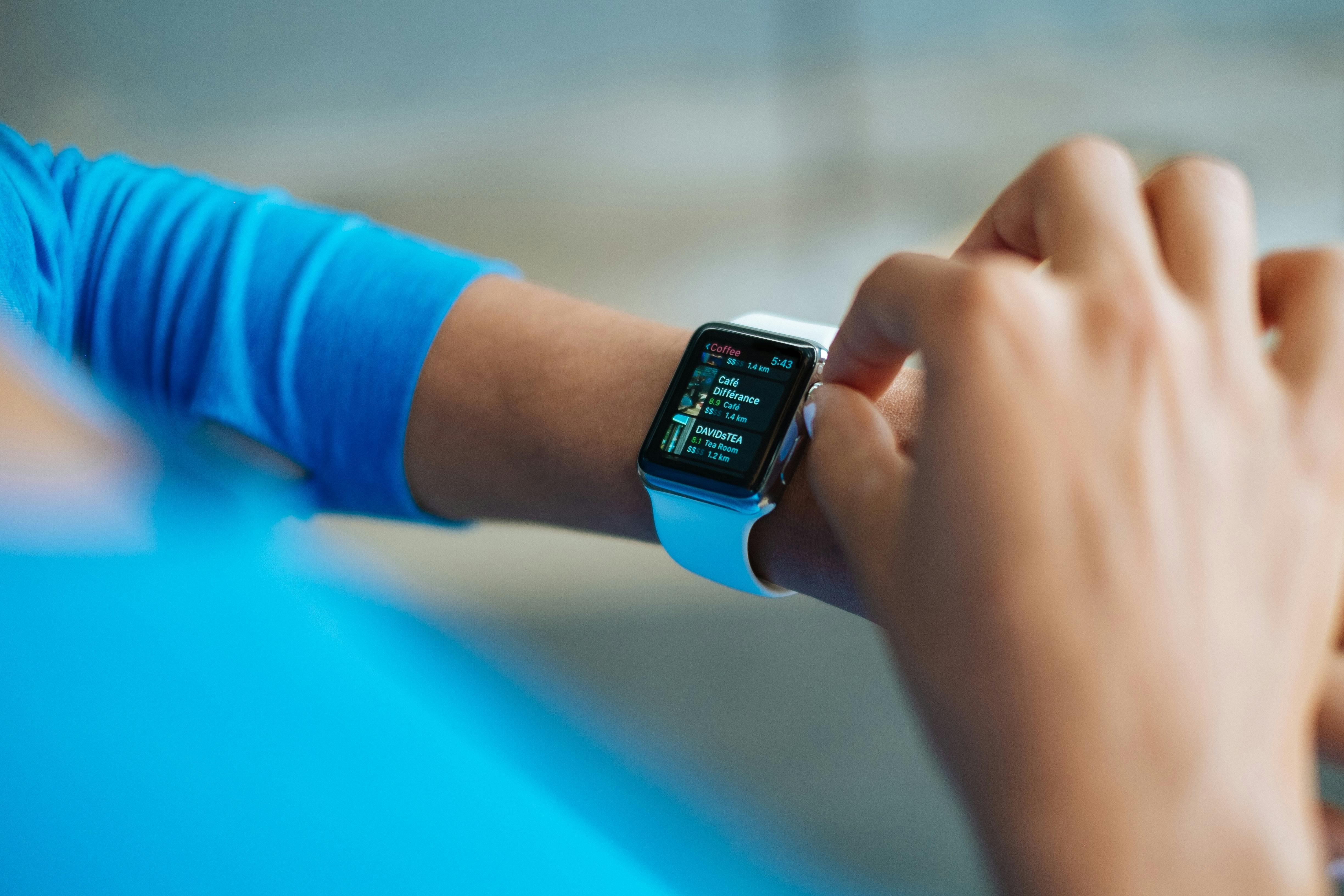
The Future on Your Wrist: What Smart Wearables Can Do in 2025.
Disclosure: "This article contains affiliate links. If you purchase through these links, I may earn a commission at no extra cost to you. This helps support my work. Thank you!"
Product: WHOOP 4.0 with 12 Month Subscription – Wearable Health, Fitness & Activity Tracker – Continuous Monitoring, Performance Optimization, Heart Rate Tracking – Improve Sleep, Strain, Recovery, Wellness
Product Link: https://amzn.to/44jNsLV
THE ARTICLE.
From counting steps to saving lives, wearable technology has evolved into a powerful extension of our bodies. In 2025, the latest generation of smart wearables is transforming how we track health, manage stress, and even detect diseases—all from your wrist.
Whether you're a fitness enthusiast, someone managing chronic conditions, or simply curious about your body's data, here's what today’s most advanced wearables can really do.
1. Real-Time Stress Detection & Mental Health Monitoring
One of the biggest leaps in 2025 is how wearables track emotional well-being. Devices like the Apple Watch Series X, Oura Ring Gen 4, and Fitbit Sense 3 now measure stress levels in real-time using:
- Heart rate variability (HRV)
- Skin temperature
- Electrodermal activity (EDA)
These metrics trigger alerts when your stress is rising and suggest breathing techniques, music therapy, or even guided CBT exercises.
📖 Reference: Stanford University’s Digital Health Lab, “Wearables and Emotional Health”, 2024.
2. Early Disease Detection Powered by AI
Thanks to AI integration, wearables can now detect early signs of illness—sometimes before symptoms show. For instance:
- Samsung Galaxy Watch BioSense can flag irregular blood oxygen trends and potential respiratory issues.
- Withings ScanWatch Horizon can detect atrial fibrillation (AFib) and subtle changes in ECG that signal cardiovascular risks.
📖 Reference: Journal of the American Medical Association (JAMA), “AI-Based Screening with Wearable Devices”, January 2025.
3. Blood Sugar & Hydration Monitoring Without Needles
Non-invasive health tracking has taken center stage. In 2025, leading-edge wearables feature:
- Optical glucose monitoring, eliminating finger pricks for diabetics (seen in Apple and Dexcom partnerships).
- Hydration sensors, measuring electrolyte levels and fluid balance in real-time—popular among athletes and elderly users.
📖 Reference: Nature Biomedical Engineering, “Advances in Optical Health Sensors”, 2025.
4. Sleep Optimization: Beyond Tracking
Wearables have gone from simply logging sleep to actively improving it. Devices like Whoop 5.0 and Oura Ring Gen 4 offer:
- Personalized sleep coaching based on circadian rhythm.
- Smart alarms that wake you at the optimal time in your sleep cycle.
- Integration with smart home devices to adjust lighting and temperature for better sleep quality.
📖 Reference: Sleep Medicine Reviews, “Wearables for Sleep Intervention”, Vol. 64, 2025.
5. Biofeedback and Neuro-Tech Integration
Some next-gen wearables now offer real-time biofeedback for brain activity. Devices like Muse S2 and Flowtime provide guided meditation based on EEG data—helping users enter deeper states of relaxation, focus, or creativity.
📖 Reference: IEEE Journal on Biomedical Health Informatics, “Wearable Neurofeedback Devices: Current Capabilities and Applications”, April 2025.
6. Personalized Fitness with AI Coaching
Forget cookie-cutter workout plans. In 2025, AI-driven fitness coaching from wearables provides:
- Adaptive workout plans based on daily recovery, sleep, and activity.
- Real-time injury prevention through gait and posture analysis.
- Integration with AR glasses for immersive coaching.
📖 Reference: MIT Technology Review, “The Smart Coach on Your Wrist”, 2025 Edition.
Final Thoughts: More Than Just a Watch
Wearables in 2025 are no longer just accessories—they're intelligent health companions. With AI-powered insights, medical-grade sensors, and mental wellness tools, the device on your wrist may just be your most important health investment.
As the lines between tech and health blur, the future of personalized medicine is literally within arm’s reach.
https://www.babacares.com/blog-details?details=520&title=The+Future+on+Your+Wrist%3A+What+Smart+Wearables+Can+Do+in+2025.









Comments