

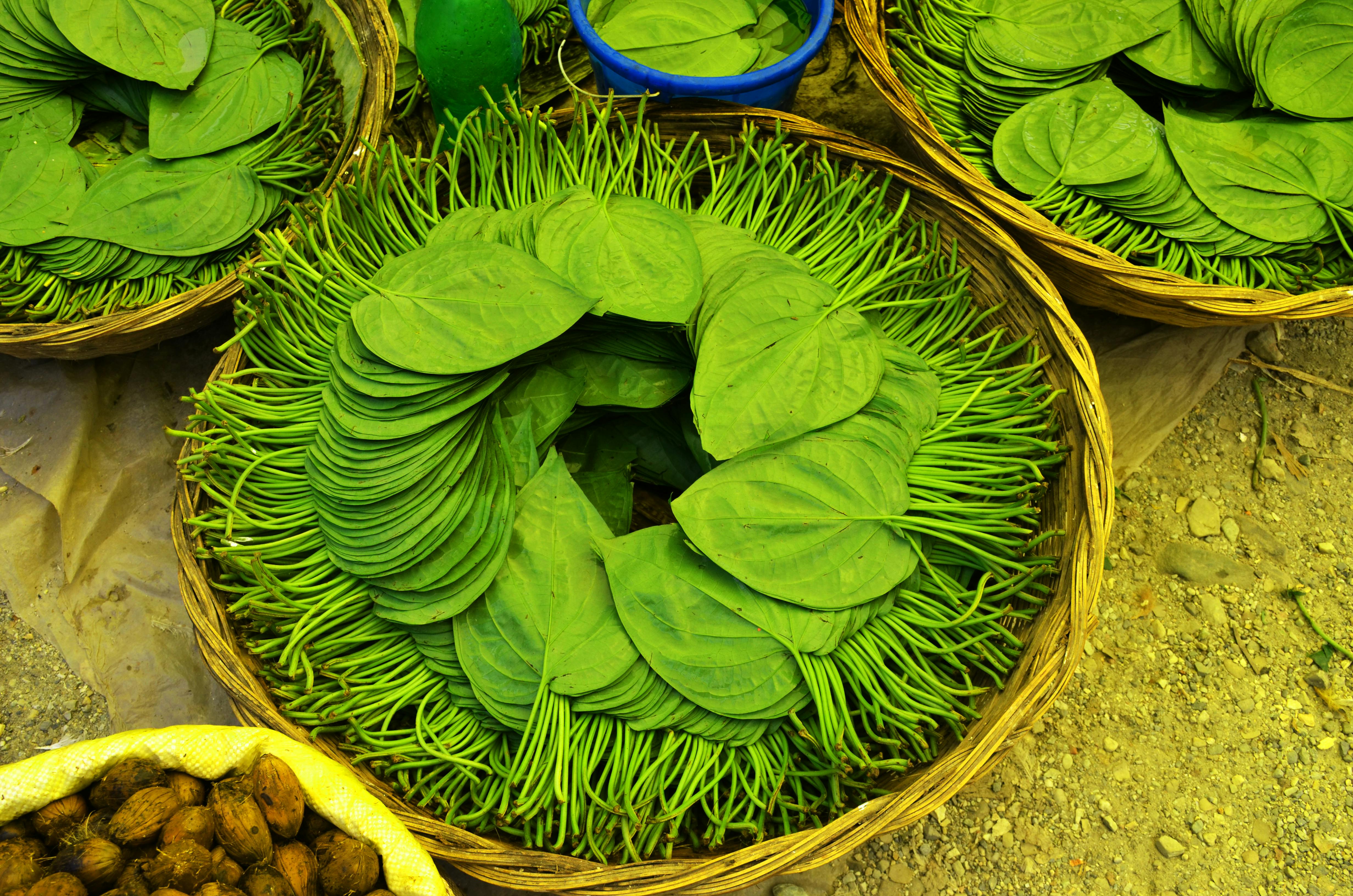
5 Proven Health Benefits of Chewing Betel Leaf After Meals – Backed by Ayurveda and Modern Science.
Disclosure: "This article contains affiliate links. If you purchase through these links, I may earn a commission at no extra cost to you. This helps support my work. Thank you!"
Product: Webber Naturals Ashwagandha 7200 mg, 60 Capsules, Organic and Clinically Proven KSM-66 Ashwagangha, Helps Increase Resistance to Stress and Anxiety, Vegan
Product Link: https://amzn.to/4cw9JrK
📝 Article:
Betel leaf, known as Piper betle, has been used for thousands of years in traditional medicine systems like Ayurveda and Traditional Chinese Medicine. While commercial paan often contains harmful additives like tobacco or sweetened areca nuts, chewing plain, fresh betel leaves after meals can offer significant health benefits. Here are five scientifically backed reasons to make it a part of your post-meal ritual:
✅ 1. Aids Digestion Naturally
Betel leaf stimulates the secretion of digestive juices, which enhances the digestion of food and absorption of nutrients. It helps balance gut pH, reduces bloating, and can even relieve constipation.
👉 Reference:
A study published in the Journal of Pharmacognosy and Phytochemistry (2017) confirms that betel leaves have carminative and digestive properties, aiding in smoother digestion and reducing gastric discomfort.
✅ 2. Fights Bad Breath and Promotes Oral Hygiene
Chewing betel leaf after meals naturally freshens the breath, thanks to its antibacterial properties. It helps inhibit the growth of harmful oral bacteria that cause plaque, tooth decay, and gum disease.
👉 Reference:
According to a study in the Journal of Clinical and Diagnostic Research (2014), betel leaf extracts demonstrated antimicrobial activity against common oral pathogens.
✅ 3. Improves Metabolism and Aids Weight Management
Betel leaf can stimulate metabolism, thanks to its essential oils and eugenol content. This increased metabolic rate supports better fat breakdown and energy conversion—useful in managing weight.
👉 Reference:
Research in the Asian Pacific Journal of Tropical Biomedicine (2012) discusses betel leaf’s influence on metabolic stimulation and fat oxidation.
✅ 4. Detoxifies the Body and Supports Liver Function
Chewing betel leaves encourages the production of saliva, which is alkaline in nature and helps neutralize stomach acids. Its mild diuretic effect also helps flush out toxins via the urinary system.
👉 Reference:
A publication in the International Journal of Pharmacy and Pharmaceutical Sciences (2011) highlights betel leaf’s antioxidant and hepatoprotective properties—beneficial for liver cleansing.
✅ 5. Boosts Immunity and Reduces Inflammation
Rich in polyphenols and flavonoids, betel leaves contain powerful antioxidants that fight free radicals. Its anti-inflammatory effects help reduce minor infections and inflammation in the throat, gut, and gums.
👉 Reference:
A study in The Indian Journal of Medical Research (2010) noted the immunomodulatory potential of betel leaf in enhancing innate immunity and lowering inflammation markers.
⚠️ Important Note: Avoid Tobacco or Sweet Additives
Traditional paan is often loaded with areca nut, tobacco, and artificial sweeteners—all of which are linked to cancer, tooth decay, and addiction. For health benefits, always chew fresh, organic betel leaves alone or with a small amount of clove, cardamom, or fennel seeds.
🌱 Conclusion: Nature’s Forgotten Superleaf
Chewing betel leaf after meals isn't just a cultural tradition—it’s a health practice rooted in wisdom and now supported by modern science. When taken in its purest form, this simple leaf can improve digestion, fight bacteria, reduce inflammation, and even help you stay fit.
https://www.babacares.com/blog-details?details=489&title=5+Proven+Health+Benefits+of+Chewing+Betel+Leaf+After+Meals+%E2%80%93+Backed+by+Ayurveda+and+Modern+Science.









Comments