

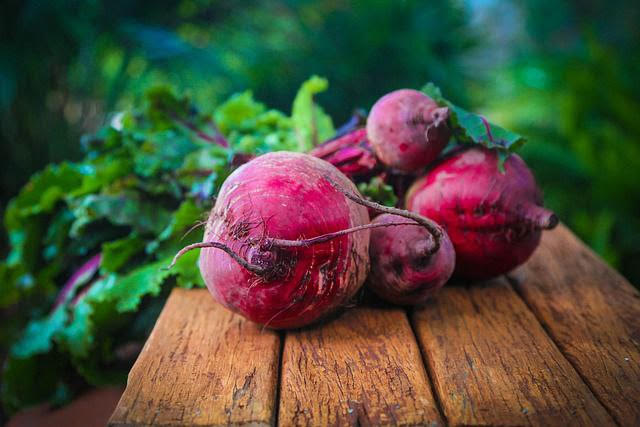
10 Proven Health Benefits of Beetroot Juice (Plus Side Effects You Should Know)
Disclosure: "This article contains affiliate links. If you purchase through these links, I may earn a commission at no extra cost to you. This helps support my work. Thank you!"
Product: Beet Root + COQ10 Gummies | Nitric Oxide for Healthy Energy & Circulation Support | Circulation Supplements for Heart Health with Pomegranate | Nitric Oxide Supplements for Men & Women | 60 Ct.
Product Link: https://amzn.to/3R2RC2U
Beetroot, also known simply as beet, is a superfood loaded with essential vitamins and minerals including Vitamin A, B9 (folate), C, E, potassium, magnesium, zinc, nitrates, betalain, and carotenoids. Whether eaten raw, cooked, or juiced, this vibrant root vegetable offers a wealth of health benefits—especially when consumed daily as beetroot juice.
Let’s explore the top 10 health benefits of beetroot, and also look at potential side effects to be mindful of.
🩺 1. Liver Detoxification
Beetroot juice is widely known for its liver-cleansing properties. When taken daily—especially when combined with celery and green apple—it supports liver function and detoxification.
✅ Betalain, a pigment found in beets, helps reduce oxidative stress and promotes detoxifying enzymes in the liver.
[Reference: Journal of Nutrition, 2009]
🛡️ 2. May Help Prevent Cancer
Beetroot contains betalain and polyphenols, which have anti-inflammatory and antioxidant properties. These compounds may help inhibit cancer cell growth.
🧬 Studies suggest betalain may suppress tumor development in various cancers.
[Reference: Clinical Nutrition, 2014]
💪 3. Supports Nerve and Muscle Health
The magnesium, potassium, and vitamin B9 in beetroot are vital for neuromuscular health. They support proper nerve signaling and muscle contraction, helping your body function optimally.
👁️ 4. Prevents Macular Degeneration
Beetroot is rich in vitamin A and carotenoids, which are crucial for eye health. Regular consumption may reduce the risk of age-related macular degeneration (AMD) and improve night vision.
[Reference: Age-Related Eye Disease Study (AREDS), National Eye Institute]
❤️ 5. Lowers Blood Pressure
Beetroot juice is a natural vasodilator. The nitrates, potassium, and vitamin B9 help relax and widen blood vessels, which can significantly reduce systolic blood pressure.
📉 Studies show drinking beet juice daily for 2 weeks can lower blood pressure levels.
[Reference: American Heart Association, 2013]
🧬 6. Lowers Cholesterol
Beetroot helps reduce LDL (bad cholesterol) and triglycerides. This is mainly due to its high folate (B9) content, which aids in breaking down homocysteine—a compound linked to heart disease.
🏃♂️ 7. Boosts Stamina and Endurance
Thanks to its natural nitrates, beetroot enhances oxygen delivery and mitochondrial efficiency, which can boost stamina—especially if consumed before physical activity.
🏋️ Athletes who drank beet juice ran up to 16% longer.
[Reference: Journal of Applied Physiology, 2009]
✨ 8. Promotes Glowing Skin
Beetroot is a skin-loving cocktail of vitamins A, C, E, and carotenoids. These nutrients promote collagen production, reduce pigmentation, and protect against free radical damage, leading to radiant skin.
🛡️ 9. Rich in Antioxidants
Beetroot is a powerful antioxidant-rich food, thanks to its high levels of vitamin C and betalain. These antioxidants fight free radicals, reducing oxidative stress and slowing aging.
🧪 Antioxidants also support immunity and reduce the risk of chronic diseases.
💃 10. Other Benefits
- Improves iron levels – helpful in managing anemia
- Supports hormonal balance – may regulate irregular menstruation
- Improves brain function – due to better blood flow and oxygen delivery
⚠️ Side Effects of Beetroot Juice
While beetroot is generally safe for most people, there are some precautions to consider:
❗ 1. May Lower Blood Pressure Too Much
People with hypotension (low blood pressure) should limit or avoid beetroot, as its vasodilating effects may cause dizziness or fainting.
❗ 2. Risk of Kidney Stones
Beetroot is high in oxalates, which may contribute to kidney stone formation if consumed excessively over long periods.
💧 Stay hydrated (2–3 liters of water daily) to flush out excess oxalates and reduce this risk.
📝 Final Thoughts
Beetroot is a nutritional powerhouse that offers a range of health benefits, from detoxification to heart health, skin glow, and athletic performance. However, as with all good things, moderation is key.
Drink beetroot juice regularly—but cycle it and stay hydrated to enjoy its full benefits without the downsides.
🔍 References
- Clifford, T., et al. (2015). The potential benefits of red beetroot supplementation in health and disease. Nutrients, 7(4), 2801–2822.
- Kapadia, G. J., et al. (2013). Chemopreventive effect of beetroot extract on cancer cells. Clinical Nutrition, 32(6), 965–973.
- Hobbs, D. A., et al. (2013). Acute ingestion of beetroot juice reduces blood pressure in healthy adults. American Heart Association.
- Lansley, K. E., et al. (2009). Dietary nitrate supplementation enhances exercise performance. Journal of Applied Physiology, 107(4), 1144–1155.
- National Eye Institute (NEI). (2020). AREDS: Age-Related Eye Disease Study.
https://www.babacares.com/blog-details?details=461&title=10+Proven+Health+Benefits+of+Beetroot+Juice+%28Plus+Side+Effects+You+Should+Know%29







Comments