

5 Foods to Avoid for Better Bone Health and Osteoporosis Prevention.
Disclosure: "This article contains affiliate links. If you purchase through these links, I may earn a commission at no extra cost to you. This helps support my work. Thank you!"
Product: NATURELO Calcium Supplement - Bone Strength with Calcium 600mg, Vitamin D3, K2, C, Magnesium Zinc - Plant-Based, 120 Vegetarian Capsules, Non-GMO, Soy & Gluten-Free
Product Linbk: https://amzn.to/421DU5b
THE ARTICLE.
Introduction
Osteoporosis is a condition characterized by weakened bones, increasing the risk of fractures. While genetics and physical activity play significant roles in bone health, diet is a crucial factor that can influence the progression of osteoporosis. Certain foods and beverages can negatively impact bone density and strength. Here are five foods to avoid or limit to promote better bone health.
1. High-Sodium Foods
Excessive sodium intake can lead to increased calcium loss through urine, which may weaken bones over time. Processed foods, canned soups, fast foods, and salty snacks are common sources of high sodium. Limiting salt consumption and choosing low-sodium alternatives can help maintain calcium levels and support bone health. Cleveland Clinic+1Royal Osteoporosis Society+1
2. Caffeine
Consuming high amounts of caffeine, found in coffee, tea, energy drinks, and certain sodas, may interfere with calcium absorption, potentially reducing bone density. Moderation is key; limiting caffeine intake can help preserve bone strength. Bone Health & Osteoporosis Foundation+2Cleveland Clinic+2Royal Osteoporosis Society+2Bone Health & Osteoporosis Foundation+2Royal Osteoporosis Society+2Cleveland Clinic+2
3. Sugary Beverages
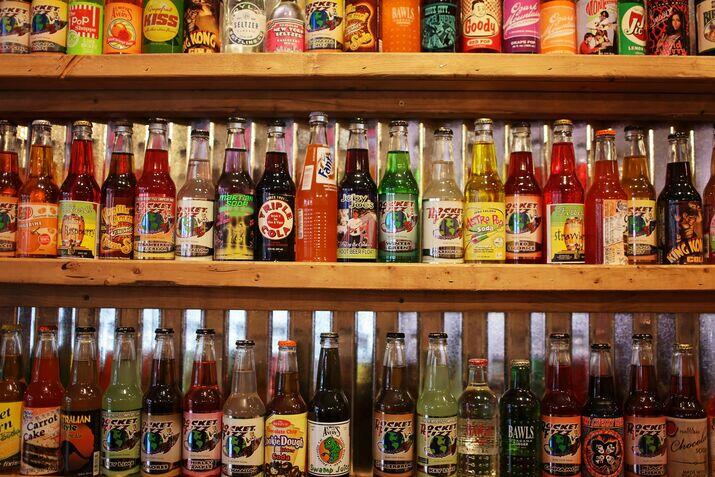
Drinks high in sugar, such as sodas, can increase inflammation and insulin levels, reduce calcium intake, and enhance urinary excretion of calcium and magnesium, all of which can negatively affect bone health. Avoiding sugar-sweetened beverages, especially those containing phosphoric acid, is advisable. Cleveland Clinic
4. Alcohol
Excessive alcohol consumption can interfere with calcium absorption and disrupt the balance of hormones vital for bone health. Chronic heavy drinking can lead to decreased bone density and an increased risk of fractures. Moderation is essential; adhering to recommended guidelines for alcohol intake can help maintain bone integrity. Cleveland Clinic+1Bone Health & Osteoporosis Foundation+1
5. Foods High in Phytates
Phytates, found in foods like bran, nuts, whole grains, and legumes, can bind to calcium and other minerals, reducing their absorption. However, if your diet contains plenty of calcium, you don't need to worry or make any adjustments. Royal Osteoporosis Society
Conclusion
Maintaining bone health requires a balanced diet rich in calcium, vitamin D, and other essential nutrients. By limiting the intake of high-sodium foods, caffeine, sugary beverages, excessive alcohol, and foods high in phytates, you can support stronger bones and reduce the risk of osteoporosis-related fractures. Consulting with a healthcare professional or a registered dietitian can provide personalized guidance tailored to your dietary needs and bone health goals.
https://www.babacares.com/blog-details?details=432&title=5+Foods+to+Avoid+for+Better+Bone+Health+and+Osteoporosis+Prevention.






Comments