

Corn Silk: Benefits, Uses, and Side Effects – A Complete Guide
Disclosure: "This article contains affiliate links. If you purchase through these links, I may earn a commission at no extra cost to you. This helps support my work. Thank you!"
Product : Organika Canadian-Made Blood Sugar Control Bonus Size- Chromium and Bitter Melon, 150 vcaps Blood Sugar Control Bonus Size- Chromium and Bitter Melon, 150 vcaps
Product Link: https://amzn.to/4l5Zxdq
Introduction
Corn silk, the delicate, thread-like strands found on corn ears, has long been used in traditional medicine and culinary applications. Though often discarded as waste, corn silk possesses numerous health benefits, culinary uses, and industrial applications. This article delves into the origins, nutritional composition, health benefits, and various ways to utilize corn silk effectively.
What is Corn Silk?
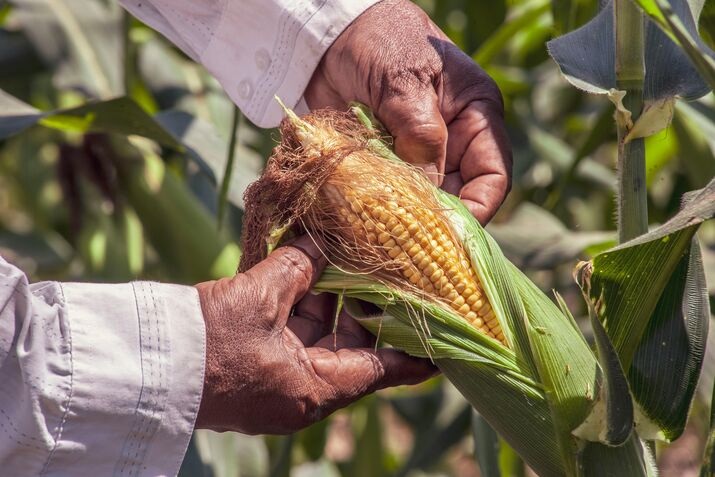
Corn silk (Zea mays) is the long, silky threads that grow beneath the husk of a corn ear. These strands play a crucial role in corn pollination, capturing pollen from the tassels and facilitating kernel development. While commonly discarded, corn silk contains bioactive compounds beneficial to human health.
Nutritional Composition of Corn Silk
Corn silk is packed with essential nutrients and bioactive compounds, including:
- Flavonoids: Powerful antioxidants that help combat oxidative stress.
- Saponins: Compounds with anti-inflammatory and immune-boosting properties.
- Vitamins: Particularly vitamins C and K, which support immune and circulatory health.
- Minerals: Potassium, calcium, and magnesium, essential for various bodily functions.
- Volatile Oils: Contribute to its medicinal properties.
Health Benefits of Corn Silk
Corn silk has been used in traditional medicine for centuries, particularly in Chinese and Native American remedies. Some of its notable health benefits include:
1. Supports Urinary Health
Corn silk is a natural diuretic, promoting increased urine production and helping to flush out toxins from the body. It has been traditionally used to treat urinary tract infections (UTIs), kidney stones, and bladder infections.
2. Regulates Blood Sugar Levels
Research suggests that corn silk can help regulate blood glucose levels by improving insulin sensitivity, making it beneficial for individuals with diabetes or those at risk of developing the condition.
3. Reduces Inflammation
Thanks to its anti-inflammatory properties, corn silk may help alleviate symptoms of arthritis, gout, and other inflammatory conditions.
4. Supports Cardiovascular Health
The flavonoids and saponins present in corn silk contribute to heart health by reducing bad cholesterol (LDL) levels, lowering blood pressure, and preventing atherosclerosis.
5. Aids in Digestion
Corn silk can soothe digestive issues, including bloating and indigestion, by acting as a mild laxative and promoting bowel regularity.
6. Boosts Liver Function
Studies indicate that corn silk may help protect the liver from damage by promoting detoxification and reducing oxidative stress.
How to Use Corn Silk
Corn silk can be consumed in various forms, including teas, extracts, tinctures, and powders. Below are some common ways to use it:
1. Corn Silk Tea
One of the easiest and most popular ways to consume corn silk is as a tea. Recipe:
- Take fresh or dried corn silk (about a tablespoon per cup of water).
- Boil water and add the corn silk.
- Let it steep for 10-15 minutes.
- Strain and enjoy with honey or lemon.
2. Corn Silk Extract and Tinctures
These concentrated forms are used in herbal medicine and can be found in health stores. A few drops in water or tea can provide health benefits.
3. Corn Silk Powder
Dried corn silk can be ground into a fine powder and used in smoothies, soups, or herbal supplements.
Potential Side Effects and Precautions
While corn silk is generally safe for most people, excessive consumption may cause:
- Allergic Reactions: Some individuals may be allergic to corn silk.
- Lowered Blood Pressure: Those with hypotension should consume it cautiously.
- Diuretic Effects: Overuse can lead to dehydration and electrolyte imbalances.
- Drug Interactions: Corn silk may interact with medications for blood pressure, diabetes, or blood thinning.
Conclusion
Corn silk is a versatile and beneficial natural remedy with a rich history in traditional medicine. Whether used for urinary health, blood sugar regulation, or cardiovascular support, it offers numerous advantages. By incorporating corn silk tea, extracts, or powders into your diet, you can harness its powerful health benefits while reducing waste from corn crops. Always consult a healthcare provider before adding any new herbal remedy to your routine, especially if you have underlying health conditions or are taking medications.
https://www.babacares.com/blog-details?details=425&title=Corn+Silk%3A+Benefits%2C+Uses%2C+and+Side+Effects+%E2%80%93+A+Complete+Guide










Comments