

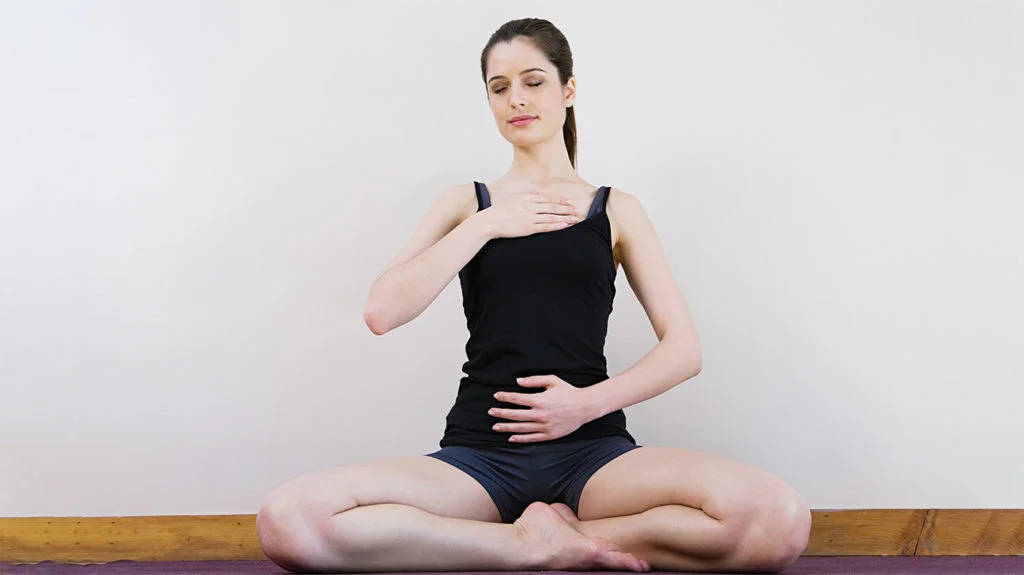
To perform effective deep breathing, there are several techniques and tips you can follow to maximize its benefits:
- Diaphragmatic (Belly) Breathing: This technique emphasizes using the diaphragm rather than shallow chest breathing. Start by lying down, placing one hand on your chest and the other on your belly. Inhale slowly through your nose, ensuring your belly expands, and exhale slowly through your mouth, letting your belly deflate. This approach enhances oxygen intake and activates the parasympathetic nervous system, helping to reduce stress (Verywell Health).
- Box Breathing: This method is particularly effective for stress relief. Sit comfortably and breathe in for a count of four, hold for four, exhale for four, and pause for four. Repeat this cycle three to four times for a calming effect (Verywell Health) (British Heart Foundation).
- 4-7-8 Breathing: In this technique, breathe in for four counts, hold for seven counts, and exhale slowly for eight counts. It is excellent for managing anxiety and helping you fall asleep more easily (Verywell Health).
- Progressive Muscle Relaxation with Breathing: Combine deep breathing with muscle tension and relaxation, working your way through different muscle groups, which furtherenhance relaxation (Verywell Health).
To get the best results from deep breathing:
- Set aside 5-10 minutes daily for practice.
- Gradually incorporate the techniques into your routine to make them more intuitive.
- Be patient, especially if you're feeling stressed, as it can take time to master these exercises (Verywell Health) (British Heart Foundation).
These techniques offer a powerful way to calm the mind, reduce anxiety, and improve overall well-being.
- Practice Regularly: To fully benefit from deep breathing, it’s essential to practice regularly. Start with just 5 minutes a day and gradually increase the time as you become more comfortable.
- Find a Quiet Space: If possible, practice deep breathing in a quiet, comfortable space where you won’t be disturbed. This will help you relax and focus on your breath.
- Pair with Meditation: Deep breathing works exceptionally well when paired with mindfulness or meditation practices. It helps quiet the mind and brings your focus inward.
- Listen to Your Body: Pay attention to how your body responds. If you feel lightheaded, stop and return to normal breathing.
Deep breathing is a simple yet powerful tool for managing stress and improving overall well-being. By taking a few moments each day to practice controlled breathing, you can reduce tension, improve focus, and bring more calm into your life. In a world that often feels chaotic and overwhelming, this small act of self-care can make a significant difference in how you handle the challenges of daily life.
Take a deep breath, and give yourself the gift of relaxation.









Comments