

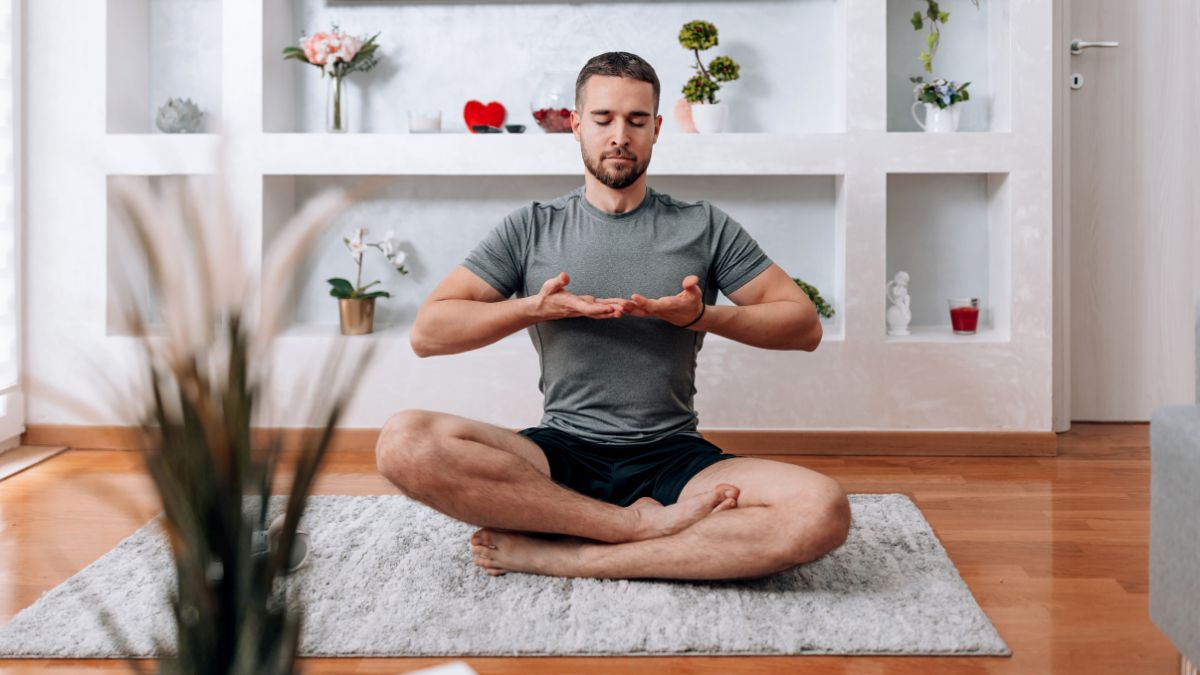
Deep breathing offers several powerful health benefits, both physically and mentally. It activates the parasympathetic nervous system, which helps reduce stress, lower heart rate, and dilate blood vessels, leading to reduced blood pressure. This practice can also improve digestion by increasing oxygen flow to the digestive organs, enhancing nutrient absorption and circulation. Additionally, deep breathing helps in pain management by promoting the release of endorphins, the body's natural painkillers (DHW Blog) (FreakToFit).
For mental health, deep breathing exercises increase focus and concentration by calming the mind, and it can also improve sleep quality by helping the body relax. Overall, incorporating deep breathing into your daily routine can help manage anxiety, improve cardiovascular health, and even assist in weight control by improving oxygen supply to tissues (DHW Blog) (FreakToFit).
- Reduces Anxiety and Stress Deep breathing helps lower levels of cortisol, the stress hormone, and induces a state of relaxation. It can also reduce feelings of anxiety by slowing down the racing thoughts and calming your nervous system.
- Improves Focus and Mental Clarity Stress often clouds our thinking and makes it difficult to concentrate. Practicing deep breathing brings more oxygen to the brain, which can enhance cognitive function, clarity, and focus.
- Enhances Emotional Well-being Deep breathing can help regulate emotions by creating a sense of control and mindfulness. When you breathe deeply, you become more aware of your emotions and less reactive to stress triggers.
- Promotes Better Sleep Practicing deep breathing before bedtime can help relax your body and mind, making it easier to fall asleep. It slows down the racing thoughts and releases tension that may keep you awake.
- Lowers Blood Pressure Deep breathing helps relax blood vessels and improves circulation, which can lower blood pressure over time. This is particularly beneficial for individuals who experience stress-induced hypertension.











Comments