

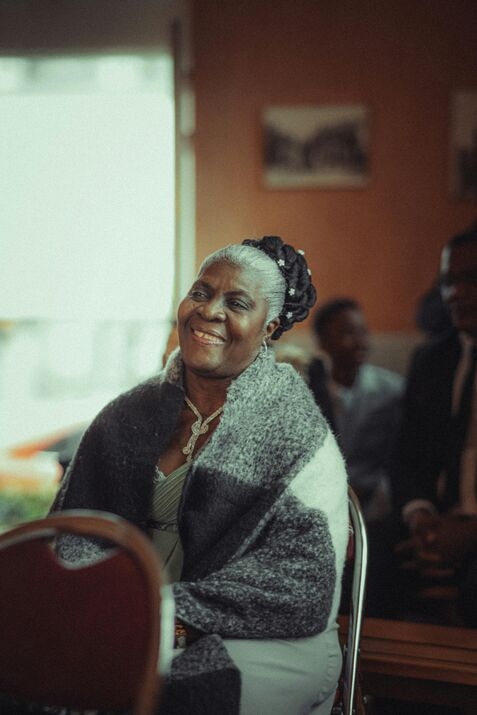
Aging Populations and Multimorbidity.
Disclosure: "This article contains affiliate links. If you purchase through these links, I may earn a commission at no extra cost to you. This helps support my work. Thank you!"
Product 1: Pack of 2 Silicone Wok Spatula, Non-Stick, Heat, Stain and Odor Resistant, Easy to Clean and Dishwasher Safe, Seamless Kitchen Utensil for Cooking, Baking, Stir-Fry (Black-RED)
Product Link: https://amzn.to/4hswPQJ
Product 2: AGELESS Living: Unlock the Secrets to Staying Young as You Grow is an inspiring guide that delves into the timeless pursuit of vitality, wellness, and purpose at any age.
Link: https://amzn.to/3FipkyG
ARTICLE.
The global demographic landscape is undergoing a significant transformation characterized by an increasing proportion of older individuals. This shift has brought to the forefront the pressing issue of multimorbidity—the coexistence of multiple chronic health conditions within a single individual. Understanding the implications of aging populations and the rising prevalence of multimorbidity is crucial for developing effective healthcare strategies and policies.
Prevalence of Multimorbidity
Multimorbidity is notably prevalent among older adults. In England, as of 2024, one in four adults has two or more long-term health conditions, and projections suggest that by 2035, approximately 67.8% of individuals over 65 will experience multimorbidity.
This trend is not confined to the United Kingdom; globally, the prevalence of multimorbidity has been increasing, posing challenges to healthcare systems traditionally focused on single-disease management.
Impact on Healthcare Systems
The surge in multimorbidity among aging populations exerts substantial pressure on healthcare infrastructures:
- Increased Healthcare Utilization: Individuals with multiple chronic conditions require more frequent medical consultations, hospital admissions, and specialized care, leading to escalated healthcare costs.
- Extended Consultation Times: Managing multiple conditions necessitates longer and more complex medical appointments. For instance, in the UK, general practitioner (GP) consultations now average nine minutes, up from less than seven minutes in 2005, primarily due to the need to address several health issues simultaneously.
thesun.co.uk - Workforce Shortages: There is a growing scarcity of healthcare professionals specializing in geriatric care. In the United States, the number of board-certified geriatricians is approximately 7,400, significantly below the estimated requirement of 30,000 by the decade's end. This shortage raises concerns about the healthcare system's capacity to meet the needs of an aging population.
businessinsider.com
Economic and Social Implications
The aging demographic and associated multimorbidity have broader societal impacts:
- Economic Strain: Increased healthcare expenditures and a higher old-age dependency ratio strain public finances. For example, Australia's population aged 70 and over is projected to rise from about 3 million to 5.5 million over the next two decades, necessitating significant adjustments in infrastructure and healthcare services.
theaustralian.com.au - Workforce Dynamics: As the proportion of older individuals grows, there is a corresponding decline in the working-age population, potentially leading to labor shortages and increased demand for age-related services.
Opportunities and Strategic Responses
Despite the challenges, an aging population can offer potential benefits:
- Silver Dividend: With appropriate policies, older individuals can continue to contribute economically and socially. In Asia and the Pacific, enhancing healthcare services, expanding pension coverage, and promoting healthy lifestyles among the elderly could increase GDP by up to 1.5% in certain economies.
ft.com - Preventive Healthcare: Implementing preventive measures, such as promoting healthy diets, regular physical activity, and early detection programs, can mitigate the onset of chronic diseases, thereby reducing the prevalence of multimorbidity.
Conclusion
The intersection of aging populations and multimorbidity presents complex challenges that require comprehensive and proactive strategies. By investing in healthcare infrastructure, expanding the geriatric workforce, and promoting preventive health measures, societies can better manage the implications of this demographic shift, ensuring that older adults maintain a higher quality of life while alleviating pressures on healthcare systems.











Comments