

The Role of Women in Childbearing and Upbringing: A Tribute on International Women’s Day.
Disclosure: "This article contains affiliate links. If you purchase through these links, I may earn a commission at no extra cost to you. This helps support my work. Thank you!"
Introduction International Women’s Day is a moment to recognize and celebrate the invaluable contributions of women in all aspects of life. One of the most fundamental roles women play in society is in childbearing and upbringing. This responsibility, which is both biological and social, significantly shapes future generations and the world at large.
Women in Childbearing Women have the unique capacity to bring new life into the world, a process that is both miraculous and demanding. Pregnancy, childbirth, and postpartum care require immense physical, emotional, and mental strength. Advances in medical science have improved maternal healthcare, yet challenges such as maternal mortality, inadequate healthcare access, and postpartum depression still persist in many parts of the world. Advocacy for better maternal healthcare policies and services is essential in ensuring that women receive the necessary support during this critical stage of life.
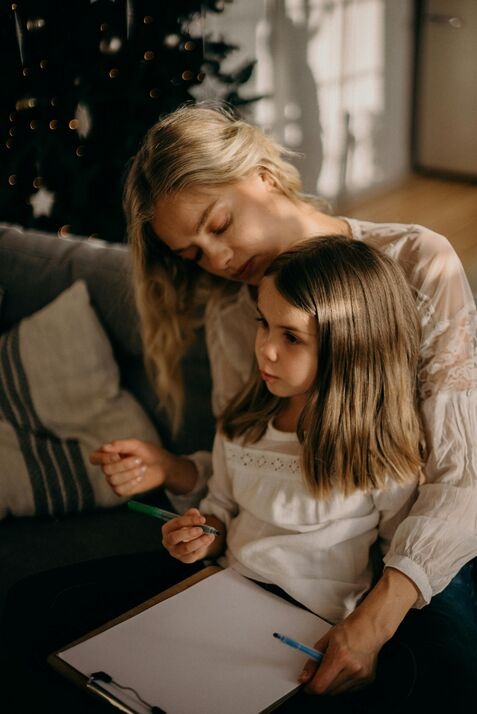
Women in Child Upbringing Beyond childbirth, women are central to child upbringing, providing the primary care, emotional support, and moral guidance necessary for a child’s development. From infancy through adulthood, mothers and female caregivers often take on the responsibility of nurturing children, instilling values, and fostering emotional intelligence. The role of women in education, whether formal or informal, is undeniable as they shape a child's cognitive and social development.
However, this role should not be solely the burden of women. Shared parenting, societal support, and gender equality in caregiving responsibilities are essential in ensuring that women are not overburdened. The evolving dynamics of modern families, with more fathers actively participating in child-rearing, signal a positive shift toward more balanced responsibilities.
Challenges and Progress Despite their critical role in childbearing and upbringing, women often face societal and economic challenges. Issues such as unpaid care work, gender discrimination in employment, and lack of sufficient maternity leave policies hinder their full participation in both family and professional life.
On the bright side, global movements advocating for gender equality have led to improved policies supporting women. Paid maternity leave, parental leave for fathers, workplace childcare facilities, and policies against workplace discrimination are steps in the right direction. Nevertheless, more efforts are needed to ensure that women receive the support and recognition they deserve.
Conclusion As we celebrate International Women’s Day, it is crucial to honor and appreciate the indispensable role women play in childbearing and upbringing. Their contributions go beyond the household, influencing societies, economies, and future generations. Recognizing and supporting women in these roles not only fosters gender equality but also strengthens families and communities worldwide.
References:
- World Health Organization. (2023). "Maternal Health." Retrieved from www.who.int
- United Nations Women. (2023). "Gender Equality and Parenting." Retrieved from www.unwomen.org
- UNICEF. (2023). "The Role of Mothers in Early Childhood Development." Retrieved from www.unicef.org
https://www.babacares.com/blog-details?details=369&title=The+Role+of+Women+in+Childbearing+and+Upbringing%3A+A+Tribute+on+International+Women%E2%80%99s+Day.











Comments